
-
 Dave Vinke
- Leestijd: 5 min
- Laatst geüpdatet: 04/01/2026

Brain teasers train various brain functions, such as working memory, attention, visual-spatial insight and executive functions. They stimulate problem-solving ability, logical thinking and pattern recognition, while improving concentration. Regular puzzle training strengthens neuroplasticity and supports healthy brain aging by promoting mental challenge and cognitive flexibility.
What cognitive skills do you develop by solving brain teasers?
Brain teasers stimulate working memory, attention, visual-spatial insight and executive functions by activating complex mental processes. Working memory holds information while you develop strategies, attention remains focused on relevant details and executive functions coordinate planning and decision-making during solving.
Working memory is intensively trained because you must simultaneously remember and manipulate multiple puzzle elements. With a three-dimensional puzzle, for example, you hold the shape of different pieces, their possible positions and the desired final form. This mental juggling act strengthens your ability to actively process information.
Visual-spatial insight develops through recognizing patterns, shapes and spatial relationships. You learn to mentally rotate objects, estimate distances and visualize complex structures. These skills are valuable for technical fields, architecture and daily navigation.
Executive functions, such as planning, inhibition and cognitive flexibility, are sharpened. You must plan strategies, suppress impulsive moves and change approach when a method doesn’t work. This mental discipline translates to better self-regulation in other life situations.
How do brain teasers improve your problem-solving ability and logical thinking?
Brain teasers develop systematic thinking, pattern recognition and strategic planning by forcing you to follow logical steps and understand cause-and-effect relationships. They teach you to break down complex problems into manageable parts and test different solution strategies until you find the right approach.
Systematic thinking emerges because puzzles require a methodical approach. You learn to formulate hypotheses, test them and adjust your strategy based on the results. This scientific mindset becomes automatic and applies to work problems, financial decisions and personal challenges.
Pattern recognition improves through repeated exposure to different puzzle structures. Your brain becomes skilled at recognizing recurring elements, symmetries and logical sequences. This skill helps in understanding complex systems, predicting trends and making connections between seemingly unrelated information.
Strategic planning develops because brain teasers often require you to think several steps ahead. You learn to anticipate the consequences of actions, plan alternative routes and pursue long-term goals. These planning skills improve project management, time management and goal-oriented decision-making in your daily life.
Why are brain teasers effective for memory training and concentration?
Brain teasers train working memory intensively, extend attention span and improve mental focus by requiring sustained concentration without external stimuli. Neuroplasticity ensures that regular mental challenge forms new neural connections and strengthens existing networks, resulting in improved cognitive performance.
Working memory is trained because you must constantly hold, manipulate and update information. When solving a complex puzzle, you juggle different possibilities, remember which strategies have already been tried and keep the desired end state in mind. This mental gymnastics strengthens your ability to actively process information.
Attention span improves because brain teasers require complete focus to be successful. Distraction leads to errors, so your brain learns to filter out disruptive stimuli and keep attention directed. This concentration skill translates to better performance at work, study and other tasks requiring deep focus.
Neuroplasticity is stimulated by the varied and challenging nature of puzzles. Your brain forms new neural pathways and strengthens existing connections when regularly challenged. These brain changes not only support puzzle skills, but also improve general cognitive flexibility and learning ability.
What are the differences between 2D and 3D puzzles for brain training?
2D puzzles focus on pattern recognition, logical reasoning and sequential processing, while 3D puzzles additionally train spatial insight, mental rotation and three-dimensional visualization intensively. Three-dimensional brain teasers activate more brain areas simultaneously and offer more complex cognitive challenge through the added spatial dimension.
Two-dimensional puzzles, such as sudokus, crosswords and logical riddles, mainly develop analytical thinking skills. They train pattern recognition, symbolic processing and sequential logic. These puzzles are excellent for improving concentration, memory and methodical thinking, without the complexity of spatial orientation.
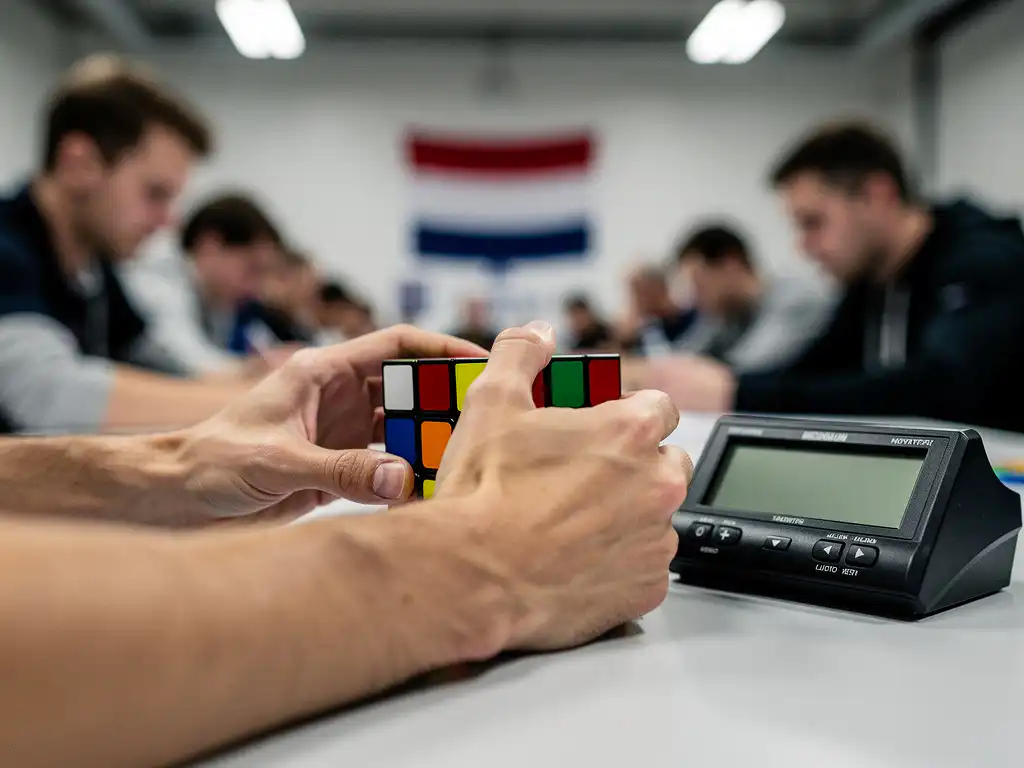
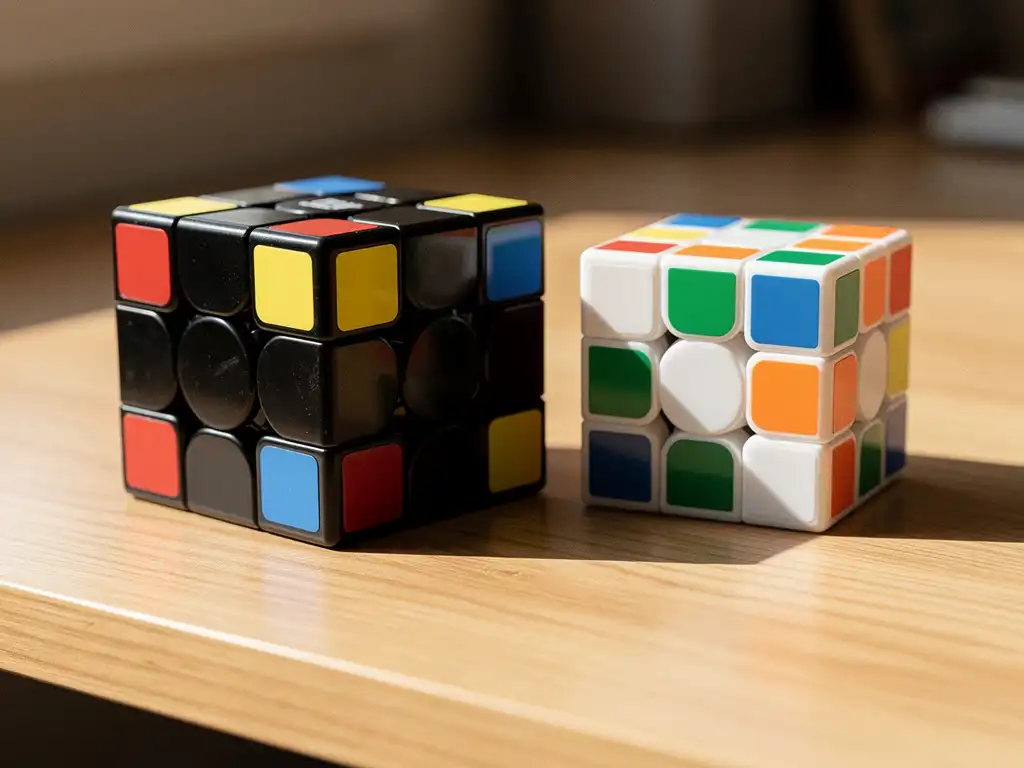
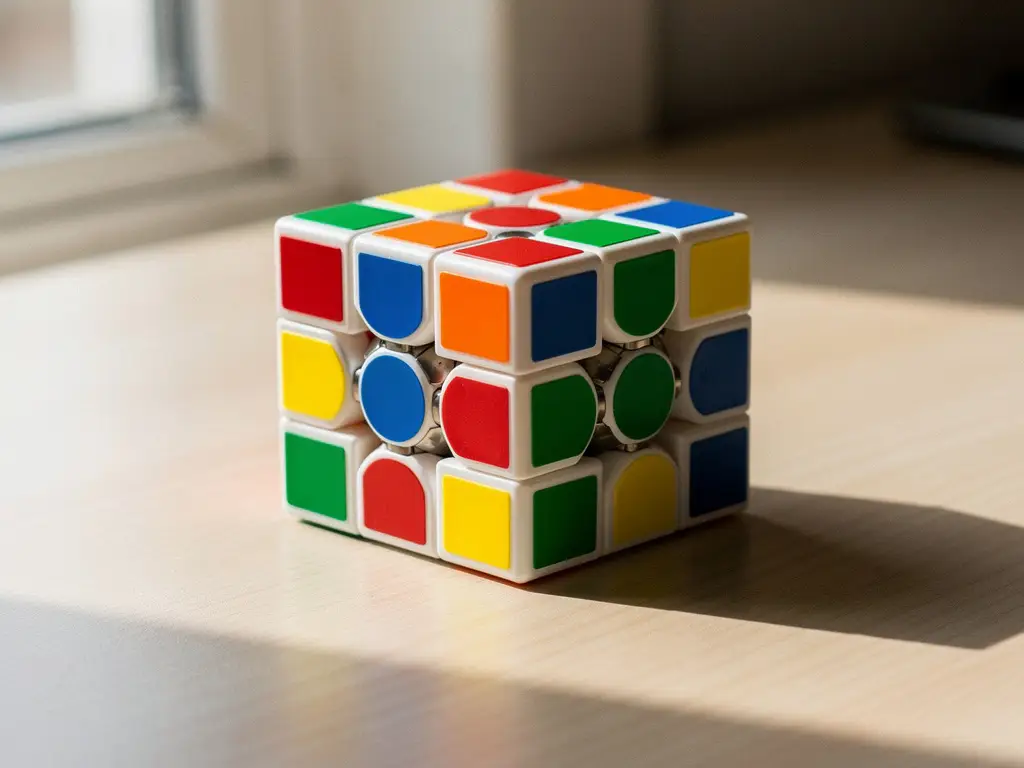
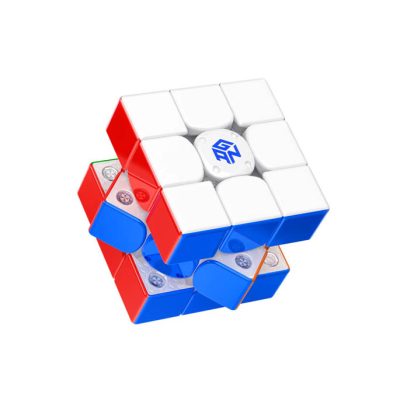
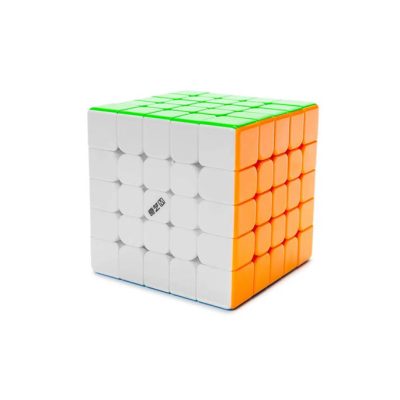
Three-dimensional puzzles, such as Rubik’s cubes, mechanical brain teasers and construction puzzles, add spatial challenge. They require mental rotation, where you can turn objects in your mind and view them from different angles. This skill is crucial for technical fields, architecture and navigation.
The combination of both puzzle types offers optimal brain training. 2D puzzles lay a strong foundation for logical thinking and concentration, while 3D puzzles extend these skills with spatial intelligence. Switching between different puzzle types keeps your brain flexible and prevents habituation to specific thinking patterns.
How do you choose the right brain teasers for optimal brain training?
Choose brain teasers based on your current skill level, specific cognitive goals and personal interests to ensure motivation and progress. Beginners start with simple puzzles and gradually build complexity, while advanced users seek challenge in specialized brain teasers that target specific brain functions.
For beginners, simple mechanical puzzles, basic sudokus and logical riddles are ideal for developing fundamental problem-solving skills. These puzzles offer clear rules, achievable challenge and quick satisfaction when solving. They build confidence and lay the foundation for more complex challenges.
Advanced users can choose advanced three-dimensional puzzles, complex logical brain teasers and puzzles with multiple solution methods. These challenges require advanced strategies, sustained concentration and creative thinking. They prevent cognitive plateaus and continue to stimulate the brain.
Variety is essential for optimal brain training. Switch between different puzzle types to train all cognitive functions: logical puzzles for reasoning, spatial puzzles for visual insight and memory games for information retention. This varied approach prevents habituation and maximizes cognitive development.
When assembling your puzzle collection, you can visit our extensive range of brain teasers, suitable for all levels and interests. From simple, beginner-friendly puzzles to advanced challenges for experienced puzzlers, so you can always find the right mental challenge for optimal brain training.
Frequently Asked Questions
How often should I solve brain teasers to see noticeable improvement in my cognitive skills?
For optimal results, experts recommend daily 15-30 minutes of puzzle training, distributed across different puzzle types. First improvements in concentration and problem-solving ability are often noticeable after 2-3 weeks, while significant strengthening of working memory and spatial insight usually requires 6-8 weeks of regular training.
What mistakes do beginners often make when starting with brain teasers?
The most common mistakes are setting expectations too high, choosing puzzles that are too difficult and giving up at the first frustration. Start with simple puzzles that you can solve within 10-15 minutes, gradually build up the difficulty and see every 'failure' as a learning opportunity rather than a defeat.
Can brain teasers actually help prevent dementia and Alzheimer's?
Research shows that regular cognitive stimulation through brain teasers can increase cognitive reserve and slow brain aging. While puzzles offer no guarantee against dementia, they do contribute to maintaining mental sharpness and can delay symptoms of cognitive decline.
What should I do if I get stuck on a difficult brain teaser?
Take a 10-15 minute break to reset your brain, try approaching the puzzle from a different angle or break the problem into smaller steps. If you're stuck after multiple attempts, look for hints online or ask for help - the goal is learning, not frustration.
Are digital brain teasers as effective as physical puzzles?
Both have unique advantages: digital puzzles offer variety and progress tracking, while physical puzzles add tactile stimulation and spatial awareness. For optimal brain training, a combination is ideal, utilizing the benefits of both formats.
How can I measure and track my progress with brain teasers?
Keep a puzzle diary where you note the time you need for different puzzles, which strategies work and where you get stuck. Also track subjective improvements like better concentration at work or study. Many apps offer automatic progress tracking for digital puzzles.
Table of contents
Much viewed
More blogs