
-
 Dave Vinke
- Leestijd: 5 min
- Laatst geüpdatet: 29/08/2025

For aircraft modeling, you need various tools that make the difference between a hobby project and professional results. The most important tools include hobby knives for precise cutting, tweezers for small parts, clamps for secure connections, sandpaper for smooth finishes, cutting mats to protect your work surface, and rulers for accurate measurements. Additionally, different types of adhesives, painting equipment, and some specialized tools are useful for enhancing your modeling experience.
What are the essential tools for aircraft modeling?
The basic tools for aircraft modeling form the foundation of every successful project. A hobby knife with replaceable blades is your most important tool for precisely cutting parts from plastic sheets or removing excess material. Choose a knife with a comfortable grip and keep spare blades in stock, as sharp blades are safer and deliver better results.
Tweezers are indispensable for handling small parts like cockpit windows, antennas, and decals. Invest in different types: straight tweezers for general use, curved tweezers for hard-to-reach places, and reverse-action tweezers that clamp shut when you release them. This prevents hand cramps during extended work sessions.
Clamps and rubber bands hold parts in place while adhesive dries. For aircraft models, small clamps with soft jaws are ideal because they don’t leave marks on plastic or wood. Sandpaper in various grits (from 400 to 2000) helps you smooth seams and prepare surfaces for paint.
A cutting mat not only protects your table but also has handy grid lines for measuring and aligning parts. Choose a mat of at least A3 size so you have enough workspace. Metal rulers are better than plastic ones because your knife won’t cut into them when using them as cutting guides.
Which adhesives do you use for different modeling materials?
Choosing the right adhesive largely determines the strength and appearance of your model. Plastic cement is the standard for plastic models because it slightly dissolves the plastic surfaces and then fuses them into one piece. This creates a seamless bond that’s stronger than the original parts.
For quick repairs or bonding different materials, super glue is handy. Be aware that super glue can leave white residue on transparent parts. Use it sparingly and only where necessary. For cockpit windows and other clear parts, special canopy glue exists that dries crystal clear.
White craft glue works excellently for wooden model aircraft and foam parts. It dries transparent, is water-soluble while drying, and provides a flexible bond. The drying time is longer than other adhesives, but you have more time to position parts correctly.
Epoxy adhesive offers the strongest bond for metal parts or areas that experience high stress. Two-part epoxy must be mixed before use, but the resulting bond is virtually unbreakable. Choose between quick-setting (5 minutes) or standard (24 hours) variants depending on your project.
How do you choose the right painting equipment for your aircraft model?
Selecting painting equipment depends on your experience, budget, and desired level of detail. Acrylic paints are ideal for beginners because they’re water-based, dry quickly, and clean up easily with water. They smell less strong than enamel paints and are safer to use, especially in poorly ventilated spaces.
Enamel paints provide a more durable finish and are better suited for metallic colors. They require good ventilation and special thinners for cleaning brushes. For both paint types, thin layers are better than one thick coat.
Brushes remain the most accessible painting method. Invest in quality brushes with synthetic bristles in various sizes: flat brushes for large surfaces, round brushes for details, and dry-brush brushes for weathering effects. An airbrush system delivers more professional results but requires a larger investment and more practice.
Primers are important for good paint adhesion, especially on metal or resin parts. Choose a primer that matches your paint type. After painting, a coat of varnish protects your work. Use matte varnish for military models, gloss for civilian aircraft, or satin for a natural effect.
Which specialized tools make modeling easier?
Specialized tools aren’t strictly necessary but make building more enjoyable and results more professional. A magnifying glass with LED lighting helps when working on small details and prevents eye strain. Models with clamps leave your hands free for work.
Mini drill sets with various bits are useful for making holes for antennas or drilling out exhausts. Needle-nose pliers help shape wires for landing gear or antennas without kinking. A heat gun or hair dryer helps shape plastic parts or apply decals to curved surfaces.
A spray booth with extraction is ideal if you do a lot of airbrushing. It captures paint mist and protects your health. For smaller projects, a cardboard box with filter suffices. Tool organizers keep your workspace tidy. Use sorting trays for small parts and a tool rack for your knives and brushes.
Panel line scribers make it possible to restore lost panel lines or add new details. Sanding sticks in different shapes reach difficult corners better than regular sandpaper. Parts nippers cut parts cleanly from sprues without stressing the plastic.
Where can you find quality tools for aircraft modeling?
When purchasing modeling tools, quality is more important than quantity. Start with a basic set and gradually expand as your experience grows. Pay attention to reviews from other modelers and choose tools that last long over cheap alternatives that wear out quickly.
Online stores often offer a larger selection than physical shops. Compare prices but also consider shipping costs and delivery times. At Speedcube.nl you’ll find an extensive range of modeling kits and accessories. We deliver quickly, even with orders placed until 11:30 PM for next-day delivery.
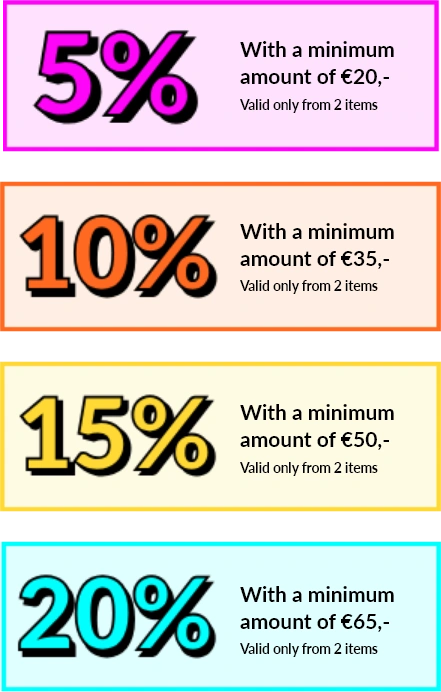
Take advantage of automatic discounts when ordering multiple items. This is ideal when purchasing different tools or paint sets together. Our flexible order handling means you can still modify orders if you’ve forgotten something.
Also look at starter sets from well-known brands. These often contain a selection of basic tools at an attractive price. For specific tools like airbrushes, it’s wise to first seek advice from experienced modelers or online forums. Invest gradually in your hobby and let your tool collection grow with your skills.
Frequently Asked Questions
How much should I invest in tools as a beginner in aircraft modeling?
As a beginner, you can start with approximately €50-75 for basic tools like a hobby knife, tweezers, glue, sandpaper, and a cutting mat. Build your collection gradually as your experience grows. Quality tools last longer, so it's better to invest in a few good tools than many cheap alternatives.
What are the most common mistakes when using modeling tools?
The biggest mistakes are using dull blades (dangerous and gives poor results), using too much glue which leaves visible seams, and skipping primer before painting. Also working without good lighting leads to mistakes and eye strain. Take your time and work in thin layers for the best results.
Can I use modeling tools for other hobbies?
Absolutely! Hobby knives, tweezers, adhesives, and painting equipment are useful for trains, cars, Warhammer figures, and other modeling projects. A cutting mat and rulers are handy for scrapbooking or card making. Invest in versatile tools that you can use for multiple hobbies.
How do I maintain my modeling tools for optimal lifespan?
Clean brushes immediately after use with the appropriate thinner, store knives with protective caps, and keep metal tools dry to prevent rust. Replace blades regularly for safety and better results. Store tools organized in a toolbox or drawers to prevent damage.
When is it time to upgrade to more professional tools like an airbrush?
Consider an airbrush when you consistently build models and get frustrated by brush strokes or uneven paint layers. If you build multiple models per year and are willing to invest time in learning new techniques, an airbrush is a valuable investment that significantly improves your results.
What safety precautions should I take in aircraft modeling?
Always work in a well-ventilated area, especially when using adhesives and paints. Wear a dust mask when sanding and safety glasses when drilling or grinding. Always cut away from your body and use a cutting mat. Store chemicals out of reach of children and pets.
Table of contents
Much viewed

More blogs