
-
 Dave Vinke
- Leestijd: 5 min
- Laatst geüpdatet: 04/01/2026

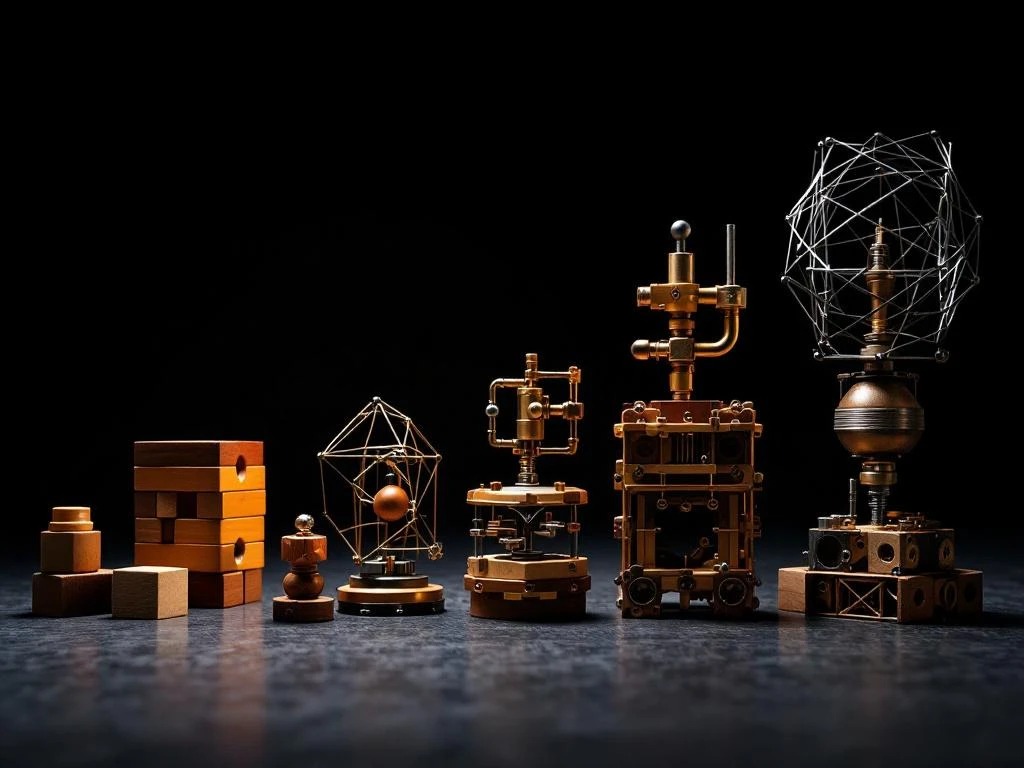
The difference between wooden and metal brain teasers lies primarily in the material, weight, tactile experience, and durability. Wooden puzzles offer a warm, natural appearance with sound dampening, while metal variants provide precision and a modern weight feel. The choice depends on personal preference, puzzle level, and the desired experience.
What are the main differences between wooden and metal brain teasers?
Wooden and metal brain teasers differ fundamentally in material characteristics, weight, and user experience. Wooden puzzles are lighter, warmer to the touch, and produce less noise during puzzling. They often have a natural texture that provides grip and feel comfortable during longer puzzle sessions.
Metal brain teasers, on the other hand, have higher precision in their construction due to metal’s manufacturing possibilities. They feel heavier, which some puzzlers experience as high-quality and solid. The cold surface and smooth finish give a modern, professional appearance.
Durability also differs significantly. Wooden puzzles may show wear at the edges after years of intensive use, but are often easier to repair. Metal variants maintain their shape better, but can develop dents when dropped that are more difficult to restore.
What advantages do wooden brain teasers offer over metal variants?
Wooden brain teasers provide natural thermal insulation, making them always feel comfortable regardless of ambient temperature. This makes long-term puzzling more pleasant, especially in cold environments where metal puzzles can feel uncomfortably cold.
Sound dampening is an important advantage of wood. Wooden puzzles make less noise when manipulated, which is ideal for puzzling in quiet environments or in the evening when others are sleeping. This property makes them suitable for office environments or public spaces.
Wooden brain teasers often have a nostalgic appearance that appeals to many puzzlers. They fit well in classic interiors and have timeless elegance. Additionally, wooden puzzles are usually more environmentally friendly, especially when made from sustainably harvested wood.
The natural texture of wood provides better grip, which is especially useful for complex manipulations. This property helps develop tactile skills and makes the puzzle experience more intuitive for beginners.
Why do puzzlers choose metal brain teasers?
Metal brain teasers offer superior precision in their construction due to metal’s manufacturing capabilities. Parts fit together exactly, ensuring smooth movements and a reliable puzzle experience without play or noise in the mechanics.
The weight of metal puzzles is appreciated by many experienced puzzlers because it gives a feeling of quality and solidity. This weight can also help develop fine motor skills and provides feedback about the movements of puzzle components.
The modern, professional appearance of metal brain teasers fits well with contemporary interiors and office environments. They often have a sleek, minimalist aesthetic that is timeless and doesn’t quickly become outdated in design.
Metal puzzles maintain their shape and functionality better over long periods. They withstand temperature fluctuations and humidity, making them suitable for various environments without quality loss.
Which material best suits your puzzle level and preference?
For beginners, wooden brain teasers are often the best choice due to their comfortable grip, sound dampening, and friendly appearance. They are less intimidating than metal variants and invite experimentation without pressure to perform perfectly.
Advanced puzzlers often choose metal brain teasers because of their precision and professional feel. If you regularly participate in puzzle competitions or hold long sessions, the weight and coolness of metal can actually help maintain concentration.
Consider your budget and intended use. Wooden puzzles are often more affordable and ideal for occasional use or as gifts. Metal variants are an investment for serious puzzlers who value durability and precision.
Your personal preference plays an important role. Some people love the warm, natural feel of wood, while others prefer the cool precision of metal. Try different materials to discover what suits you best.
Want to find your perfect brain teaser? Check out our extensive brain teasers assortment with both wooden and metal variants for every level and preference.
Frequently Asked Questions
How do I maintain my wooden brain teasers to keep them in good condition?
Store wooden brain teasers in a dry place and avoid direct sunlight to prevent drying out. Clean them carefully with a slightly damp cloth and dry them thoroughly afterward. With wear, you can lightly sand the surfaces with fine sandpaper and possibly treat with a thin layer of wood balm.
Can metal brain teasers rust and how do I prevent this?
High-quality metal brain teasers are usually made of stainless steel or anodized aluminum, but cheaper variants can rust. Store them in a dry place, dry them after use in humid environments, and regularly check for early signs of corrosion. With light rust, you can carefully polish it away with a soft cloth.
Which material is best for children starting with brain teasers?
For children, wooden brain teasers are usually the best choice due to their warmth, lightweight nature, and safety. They make less noise, are less intimidating, and have no sharp edges. Additionally, they are less painful if they accidentally fall or bump into someone during play.
Are there hybrid brain teasers that combine advantages of both materials?
Yes, there are brain teasers with wooden bases and metal accents, or puzzles with metal cores and wooden exteriors. These hybrid designs try to combine wood's warmth and grip with metal's precision. However, they are less common and often more expensive than pure wooden or metal variants.
What should I do if my metal brain teaser gets stuck or becomes stiff?
First check if there's dirt or dust in the mechanism and clean carefully with a dry toothbrush. For persistent problems, you can use a tiny amount of graphite powder (from a pencil) as dry lubricant. Avoid oil or greasy lubricants, as these attract dust and worsen the problem.
How can I determine if a brain teaser is good quality before buying it?
Pay attention to the edge finishing (smooth and splinter-free for wood, no sharp edges for metal), test the movements (smooth without forcing), check component fit, and read reviews from other users. Quality brands often offer warranties and have clear product descriptions with material specifications.
Table of contents
Much viewed

More blogs