
-
 Dave Vinke
- Leestijd: 5 min
- Laatst geüpdatet: 26/03/2026

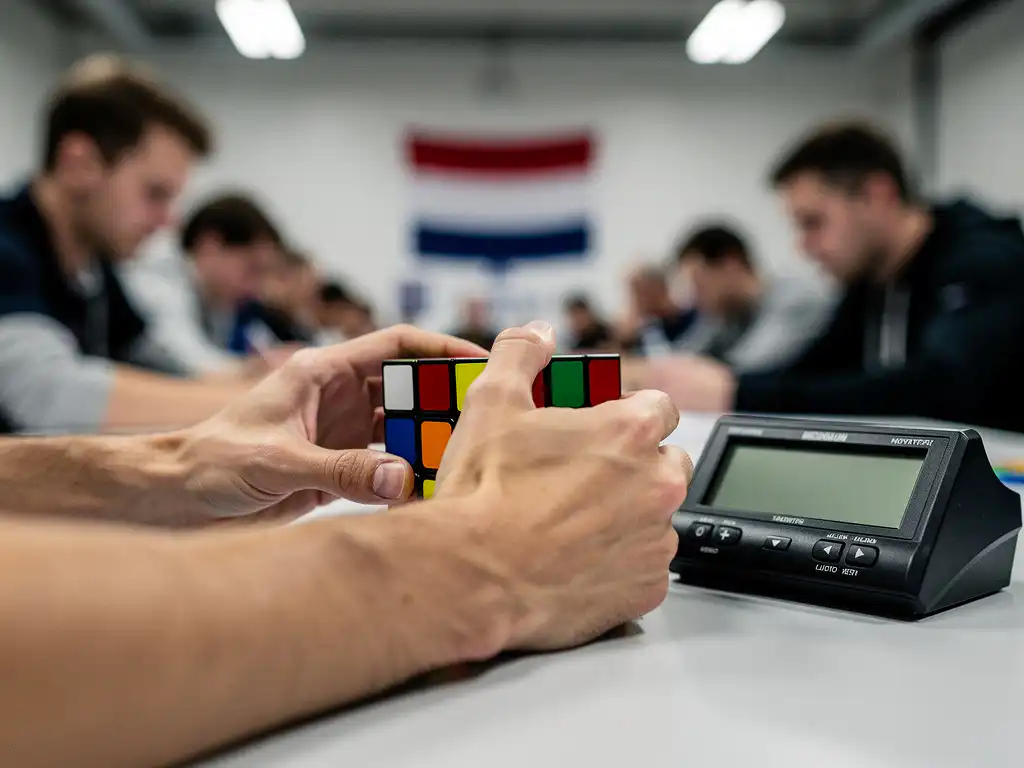
The world of cube puzzles can be confusing, especially when you first hear about speedcubes. Many people think that all cubes are the same, but there is a big difference between a speedcube and the classic Rubik’s cube that you might know from your childhood.
Speedcubes are specially designed for speed and performance, while regular Rubik’s cubes are more focused on the puzzle experience itself. This difference has major consequences for how smoothly the cube turns, how quickly you can solve it, and how much enjoyment you get from it. Let’s outline the key differences.
What exactly is a speedcube and how does it differ from a regular Rubik’s cube?
A speedcube is an optimized version of the classic cube puzzle, specially designed for fast solutions and competitive use. The main difference lies in the internal mechanics: speedcubes have advanced turning systems, better materials, and more precise tolerances than regular Rubik’s cubes.
Regular Rubik’s cubes, like the original from Rubik’s Brand, are often stiffer and less smooth to use. They are intended more as a casual puzzle than as a performance instrument. Speedcubes, on the other hand, have special features such as rounded corners, better lubrication systems, and sometimes magnets to improve the turning experience.
The difference is so significant that experienced cubers often struggle to achieve their best times with a regular Rubik’s cube, while they can shave seconds off their time with a good speedcube. For beginners, this means that learning to solve is much less frustrating with the right cube.
Why do speedcubes turn so much smoother than regular cubes?
Speedcubes turn smoother due to their advanced internal mechanics, better materials, and more precise production tolerances. The core mechanism is designed to minimize friction and enable fast, fluid movements without the cube getting stuck.
The key lies in various technical improvements. First, speedcubes usually have a better core construction with precision screws that allow you to adjust the tension. This means you can set the cube to your personal preference for looseness or tightness.
Additionally, speedcube manufacturers use higher-quality plastic that causes less friction. The corners of the cube pieces are often rounded to enable corner cutting. This means you can turn a layer even if it’s not perfectly aligned with the rest of the cube.
Finally, speedcubes are often supplied with professional lubricants or are pre-lubricated. This provides a consistent turning experience that lasts much longer than with regular cubes.
What are magnetic speedcubes and are they better than non-magnetic ones?
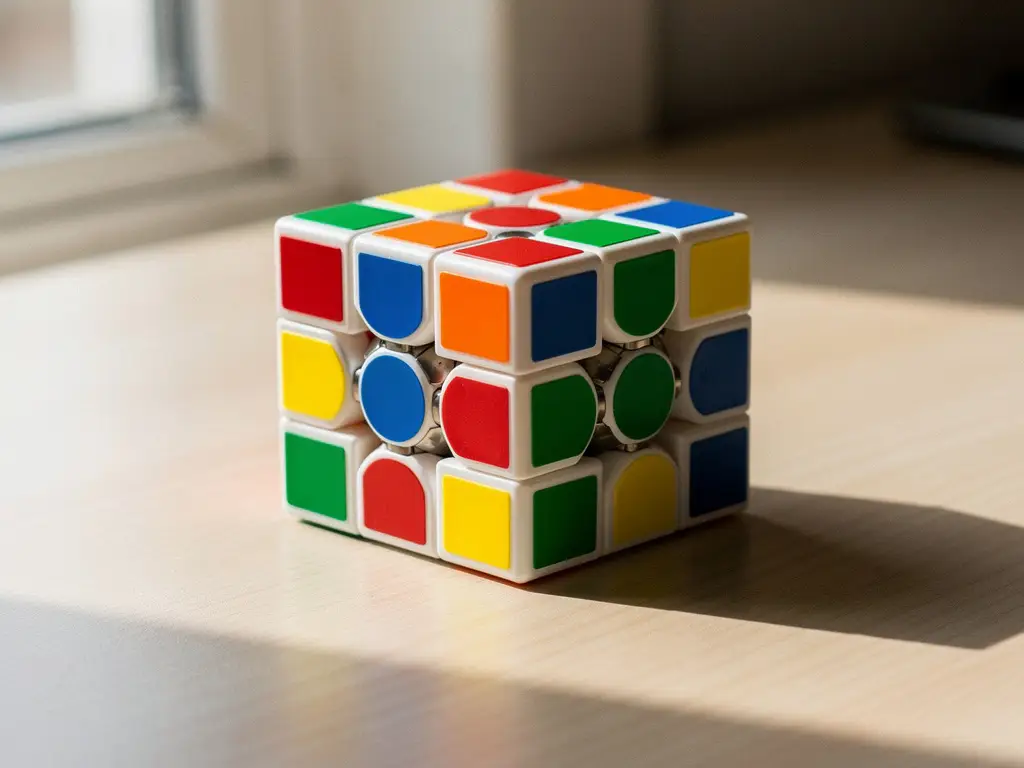
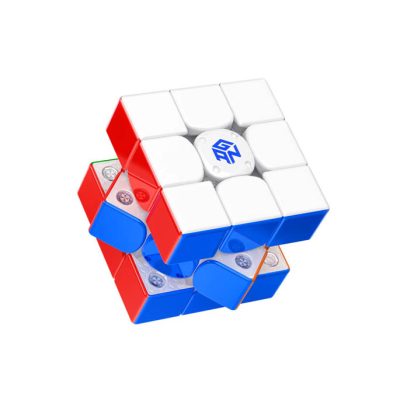
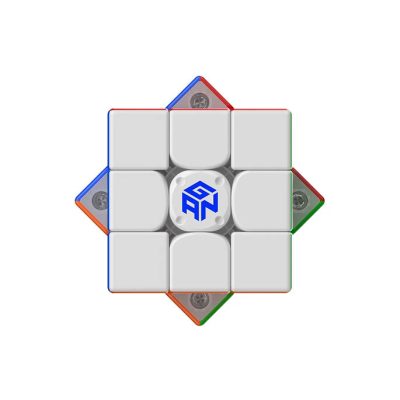
Magnetic speedcubes contain small neodymium magnets in the corner pieces that create a subtle magnetic attraction between the layers. This provides tactile feedback that helps with precise layer alignment and prevents overshoot during fast algorithms.
The magnets are strategically placed to give the cube a “clicky” feel when the layers are perfectly aligned. This is especially useful for speedcubers who make very fast movements and can’t always visually check whether each turn is perfectly executed.
Whether magnetic cubes are better depends on your experience and preference. For beginners, magnets can help turn more accurately and make fewer mistakes. Advanced cubers often appreciate the extra control and consistency that magnets provide during competitions.
Non-magnetic speedcubes, on the other hand, are often slightly faster in pure turning speed and cheaper to purchase. Some cubers prefer the “free” feeling without magnetic resistance. For most people, however, magnetic cubes are the better choice due to improved stability and control.
Which speedcube should you choose as a beginner versus advanced?
As a beginner, you should choose a magnetic entry-level speedcube around 10-15 euros, such as the MoYu RS3M or the QiYi MS series. These offer good performance without overwhelming extras. Advanced cubers can invest in premium models of 20-40 euros with advanced, adjustable mechanisms.
For beginners, the most important thing is that the cube turns smoothly and isn’t too fast. A cube that’s too fast can lead to frustration, because control is more important than pure speed when you’re still learning algorithms. Magnetic cubes help with this because they offer more stability.
Advanced cubers have often developed specific preferences for turning feel, magnetic strength, and adjustable tension. They can benefit from flagship models like the GAN 11 M Pro, the MoYu WRM series, or the QiYi Valk series. These cubes offer extensive customization options.
It’s also wise to start with a 3×3 speedcube before moving on to other formats like 2×2, 4×4, or pyraminx. Once you’ve mastered the basics, you can expand your collection with more specialized puzzles that match your interests.
Frequently Asked Questions
How do I maintain my speedcube to preserve performance?
Clean your speedcube regularly by taking it apart and wiping the parts with a damp cloth. Re-lubricate the cube every 2-3 months with special cube lubricant and avoid water or general lubricants. Store your cube in a dry place and turn it regularly to keep the mechanism smooth.
Can I upgrade my old Rubik's cube or should I buy a new speedcube?
Upgrading an old Rubik's cube is limitedly possible by adding new springs and lubricant, but the fundamental mechanics remain the same. For a real improvement in performance, it's recommended to buy a new speedcube, as the difference in turning feel and speed will be significant.
What does 'corner cutting' mean and why is this important for speedcubing?
Corner cutting is the ability of a cube to turn a layer even when it's not perfectly aligned with the adjacent layers. This prevents jamming during fast algorithms and enables smooth movements. Good speedcubes can handle 45 degrees or more of corner cutting, which is essential for fast solutions.
How do I correctly adjust the tension of my speedcube?
Start by tightening all screws equally until the cube just doesn't fall apart. Test the turning speed and corner cutting, and gradually loosen the screws for more speed or tighten for more control. Make sure all six sides are adjusted equally and test thoroughly after each adjustment.
Do more expensive speedcubes really make such a big difference for my times?
For beginners (above 1 minute), a more expensive model makes little difference in times - technique is more important. For advanced cubers (under 30 seconds), premium speedcubes can indeed make a difference of 1-3 seconds through better stability and customization options. Invest in your technique first before looking at more expensive models.
Is it normal for my new speedcube to feel stiff at first?
Yes, new speedcubes often have a break-in period of 200-500 solves before they perform optimally. The plastic parts need to break in and the lubricant needs to distribute properly. Turn your cube regularly during the first week to speed up this process.
Table of contents
Much viewed
More blogs