
-
 Dave Vinke
- Leestijd: 5 min
- Laatst geüpdatet: 05/01/2026

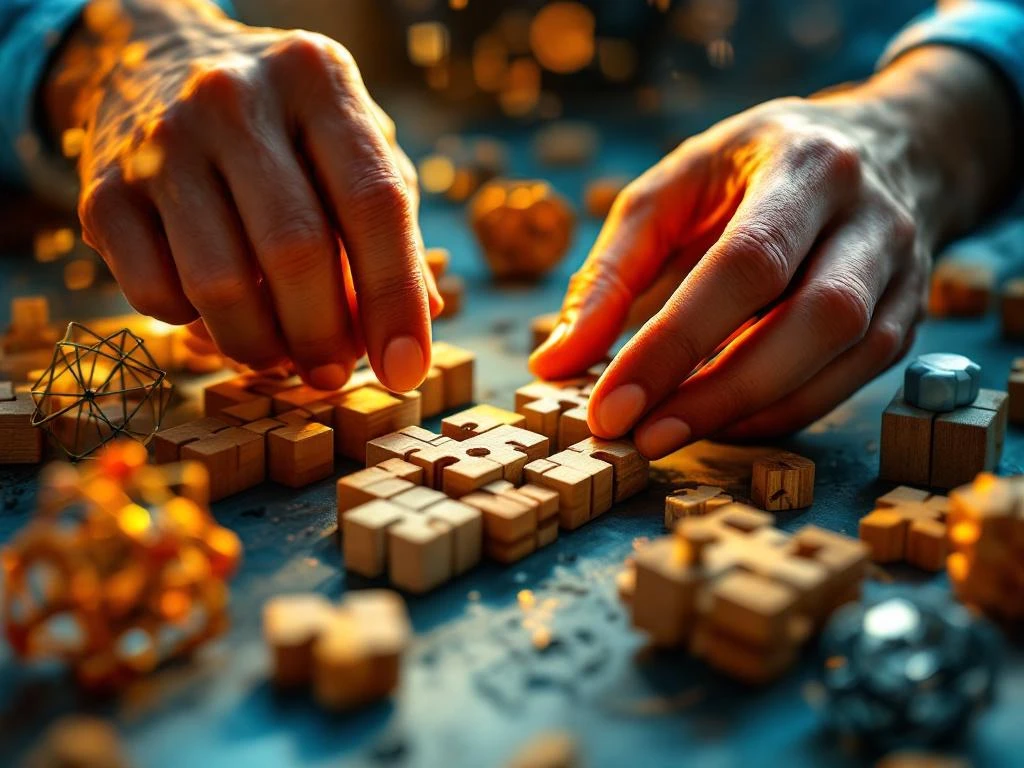
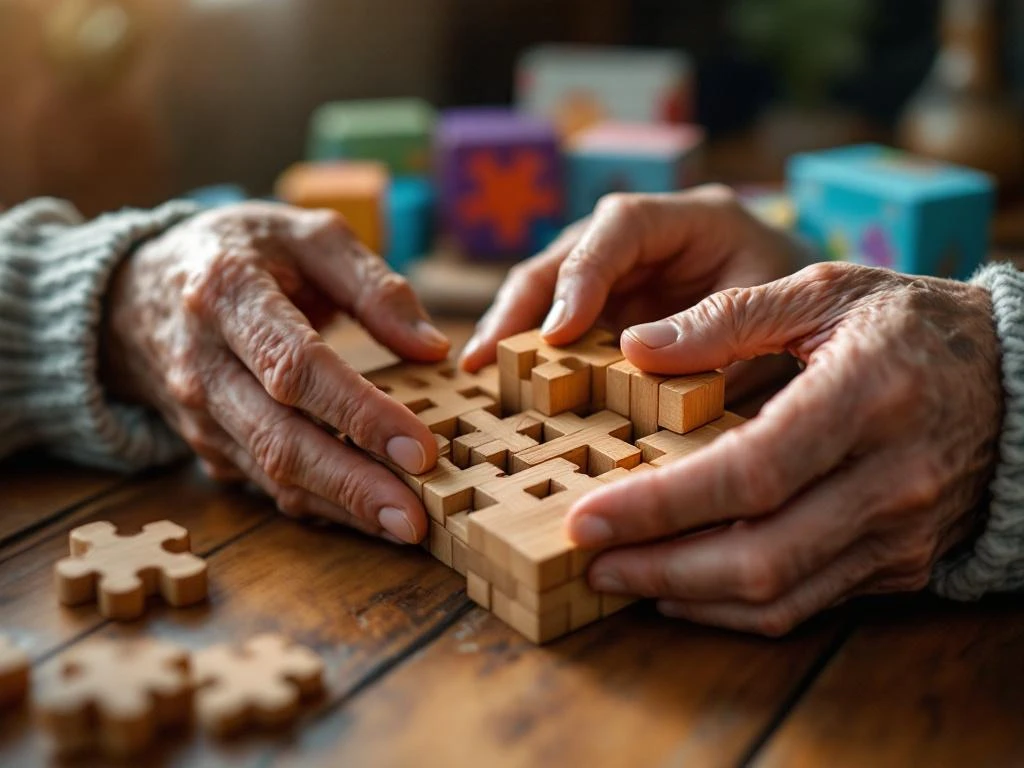
The difference between a jigsaw puzzle and a wooden puzzle lies in the material and construction. Jigsaw puzzles consist of cardboard pieces that fit together to form an image, while wooden puzzles are made of wooden parts that often have more complex shapes. Both offer unique advantages for different ages and purposes.
What exactly is the difference between a jigsaw puzzle and a wooden puzzle?
Jigsaw puzzles are traditional jigsaw puzzles made of cardboard with a printed image that is cut into hundreds or thousands of pieces. Wooden puzzles, on the other hand, are made of solid wood and often feature unique shapes, mechanical elements, or 3D structures that go beyond simply assembling a picture.
The main material difference is clear: cardboard versus wood. Cardboard jigsaw puzzles are industrially produced by printing an image on cardboard and then cutting it into pieces using die-cut forms. The pieces have standard shapes with tabs and blanks that fit together precisely.
Wooden puzzles are often handmade or manufactured with precision tools. They can contain various types of wood, such as birch, oak, or bamboo. The construction method is more complex, as each piece is individually designed and cut, often using laser technology or traditional craftsmanship.
The purpose also differs significantly. Jigsaw puzzles are primarily intended for recreational assembly of an image, while wooden puzzles often serve as brain teasers, decorative objects, or educational tools that stimulate logical thinking.
What advantages do wooden puzzles offer over cardboard jigsaw puzzles?
Durability is the greatest advantage of wooden puzzles. They last for years or even decades without significant wear, while cardboard puzzles can fray, bend, or lose pieces after repeated use. Wooden puzzles maintain their shape and functionality much longer.
The tactile experience of wood is richer than that of cardboard. The natural material feels warmer, has a pleasant texture, and provides a satisfying feeling when handled. This sensory experience contributes to relaxation and enjoyment during puzzling.
Aesthetically, wooden puzzles are often works of art in themselves. They can serve as decoration, both while puzzling and when completed. Many wooden puzzles have beautiful natural wood grain or are artistically painted.
Reusability is another major advantage. Wooden puzzles can be taken apart and reassembled countless times without quality loss. They are also more environmentally friendly, as wood is a renewable resource.
Educationally, wooden puzzles often stimulate more skills. They develop spatial insight, problem-solving ability, and fine motor skills more intensively than traditional jigsaw puzzles due to their three-dimensional and mechanical aspects.
For which age groups are jigsaw puzzles and wooden puzzles most suitable?
Jigsaw puzzles are suitable for almost all ages from 3 years old, while wooden puzzles vary more in suitability depending on the type. Simple wooden shape puzzles are perfect for toddlers, but complex mechanical wooden puzzles are intended for teenagers and adults.
For children’s puzzles between 3 and 6 years old, large wooden pieces are safer because they cannot be swallowed. Cardboard jigsaw puzzles of 12 to 48 pieces are also suitable, but require supervision as small pieces can pose a choking hazard.
School-age children (7-12 years) benefit from both types. Jigsaw puzzles of 100-500 pieces develop patience and concentration, while wooden brain teasers stimulate logical thinking. Both contribute to the development of problem-solving skills.
Teenagers and adult puzzles can handle more complex challenges. Jigsaw puzzles of 1000+ pieces provide hours of relaxation, while advanced wooden puzzles, such as mechanical boxes or 3D constructions, offer intellectual stimulation.
Elderly people often appreciate both types for different reasons. Jigsaw puzzles help maintain cognitive functions and provide social activities, while wooden puzzles maintain fine motor skills and give a sense of fulfillment through their lasting character.
How do you choose between a jigsaw puzzle and a wooden puzzle for yourself or as a gift?
The choice depends on budget, purpose, and personal preferences. Jigsaw puzzles usually cost €10-30 and provide long-lasting pleasure, while wooden puzzles cost €15-100+ but last for years and are reusable.
For gift suitability, wooden puzzles are often more impressive because they can serve as decorative objects. They show more personal attention and have a premium appearance. Jigsaw puzzles are excellent gifts for puzzle lovers who enjoy assembling new images.
Consider the purpose: if you want to relax with a beautiful image, choose a jigsaw puzzle. If you’re looking for an intellectual challenge that you can keep, then a wooden puzzle is ideal. For children, both are suitable, but wooden puzzles offer more developmental benefits.
Personal preferences play a major role. Some people enjoy the meditation of sorting hundreds of cardboard pieces, others prefer the tactile experience and mechanical aspects of wooden puzzles.
For the best selection of both types, you can visit specialized puzzle webshops. Here you’ll find quality products for all ages and skill levels, from simple children’s puzzles to complex brain teasers for experienced puzzlers.
Ultimately, both puzzle types are valuable for different situations. Jigsaw puzzles offer accessible relaxation and social activities, while wooden puzzles combine lasting intellectual challenge and aesthetic value. The best choice depends on your specific needs, budget, and what you’re looking for in a puzzle experience.
Frequently Asked Questions
How do you maintain wooden puzzles to make them last as long as possible?
Store wooden puzzles in a dry place away from direct sunlight to prevent warping. Clean them carefully with a dry cloth and avoid water or chemical cleaning agents. For puzzles with moving parts, you can occasionally use a drop of oil to keep them smooth.
What should I do if a piece of my jigsaw puzzle is missing?
First, thoroughly check the packaging and the area where you've been puzzling. Many manufacturers offer replacement of missing pieces if you contact them within the warranty period. Some puzzle shops also have a service for replacing lost pieces.
Are there special techniques to solve jigsaw puzzles faster?
Always start with the edge pieces and then sort by color and pattern. Work in sections and focus on recognizable objects in the image. Use a puzzle mat or board for better organization and ensure good lighting to see details better.
Can I make wooden puzzles myself and what tools do I need for that?
Yes, you can make simple wooden puzzles with a jigsaw, sandpaper, and suitable wood like plywood. For more complex designs, a laser cutter is ideal. Start with simple shapes and work toward more detailed designs as you gain experience.
How do I preserve a completed jigsaw puzzle permanently?
Use puzzle glue to permanently attach the pieces together. Carefully spread the glue over the surface and let it dry completely. Then you can frame the puzzle or mount it on a sturdy board for permanent display.
Which wooden puzzles are best for beginners who have never solved a brain teaser?
Start with simple shape puzzles like classic burr puzzles or tangram sets. Choose puzzles with 3-6 pieces and clear instructions. Avoid mechanical puzzles with hidden mechanisms until you have gained more experience with the basic principles.
Is it normal that wooden puzzles are more expensive and why exactly?
Yes, wooden puzzles cost more due to the material, labor-intensive production, and often manual finishing. Quality wood, precision cutting, and durability justify the higher price. They last much longer than cardboard puzzles and retain their value better.
Table of contents
Much viewed

More blogs