
-
 Dave Vinke
- Leestijd: 5 min
- Laatst geüpdatet: 29/08/2025

Car modeling is the hobby of building scale models of real cars from construction kits. You work with miniature versions in different scales like 1:24, 1:18, or 1:43, assembling parts, painting, and detailing them to create realistic replicas. This hobby combines technical skills, creativity, and patience, offering the opportunity to recreate your favorite cars, from classic vintage models to modern supercars.
What exactly is car modeling?
Car modeling is a creative hobby where you build scale models of real cars from construction kits. You work with miniature versions that are precisely scaled according to fixed ratios like 1:24 (where 1 cm on the model equals 24 cm in reality), 1:18, or 1:43. These scales determine how large your model will be and how much detail you can add.
The materials you encounter in car modeling range from plastic to metal. Plastic construction kits are the most popular due to their affordability and workability. Metal models, often called die-cast, offer more weight and durability. Some model builders combine both materials for the best results.
An important distinction in the hobby is the difference between static display models and working models. Static models are purely for show – they look beautiful but have no moving parts. Working models, on the other hand, have functional elements like rotating wheels, opening doors, or even working engines in some advanced kits. The choice depends on your personal preference and the purpose of your project.
What types of car modeling are there?
Within car modeling, you’ll find different categories that each offer their own challenges and possibilities. Plastic construction kits form the largest group and are perfect for beginners and advanced builders alike. These kits contain all the parts that you cut from frames and assemble according to instructions.
Die-cast models are primarily made of metal and often come as ready-made models or simple construction kits. These models feel heavier and have a premium appearance. Resin kits are for the more experienced model builder – the material is harder to work with but offers unmatched detailing.
Scratchbuilding is the ultimate challenge where you make parts yourself from raw materials like plastic sheets, metal wire, and putty. This requires a lot of experience but gives you complete creative freedom.
The level of model building kits varies enormously:
- Snap-fit models: no glue needed, perfect for beginners
- Standard kits: require glue and basic skills
- Detailed kits: multiple paint layers, decals, and fine parts
- Expert kits: hundreds of parts, aftermarket upgrades possible
What do you need to start with car modeling?
For your first model building project, you need some basic tools. Good side cutters are essential for cleanly removing parts from frames. A hobby knife helps you remove excess plastic and smooth seams. Plastic cement permanently bonds parts together, while a set of brushes is needed for applying paint and details.
Optional materials make your hobby more enjoyable but aren’t immediately necessary. Paint in spray cans or bottles gives your model color and character. An airbrush setup delivers professional results but requires a significant investment. Detailing products like panel line accent, weathering powders, and chrome markers elevate your model to a higher level.
Your workspace doesn’t need to be large, but should be practically arranged:
- A flat table with good lighting
- A cutting mat to protect your tabletop
- Storage containers for small parts
- Ventilation when working with glue and paint
Budget-wise, you can start with about 30-50 euros for a basic tool set and your first kit. As you gain more experience, you can expand your tools with specialized equipment.
How much time does building a model car take?
The build time of a model car depends heavily on the type of kit and your own ambition level. A simple snap-fit kit can be built in 2-4 hours, perfect for a rainy Sunday afternoon. Standard plastic kits with gluing and basic painting usually require 10-20 hours spread over several days or weeks.
Various factors significantly influence your build time. Your experience plays a major role – beginners take longer on the same tasks than experienced builders. The level of detail you aim for makes a big difference. Just building goes quickly, but with painting, weathering, and super-detailing, you can spend months on one model.
The paintwork is often the most time-consuming phase:
- Applying primer and drying: 24 hours
- Spraying base color: 2-3 coats with drying time
- Detail painting: several hours of precision work
- Clear coat and polishing: another 24 hours of drying
Smart planning helps keep your project manageable. Divide your model into sub-assemblies like chassis, body, and interior. Work on different parts while others are drying. Set realistic goals – better a beautifully finished model in three months than a rushed project in a weekend.
Where can you find the best car modeling products?
Specialized hobby shops offer the best selection and knowledge for car modeling. Online, you’ll find a wide range at reliable webshops that focus on model builders. The advantage of specialist shops is that they can often advise which kit suits your level.
Well-known brands in the modeling world are Tamiya, Revell, Italeri, Hasegawa, and Fujimi. Tamiya is known for their user-friendly kits with excellent fit. Revell offers many European cars in their range. Italeri excels in classic and historical vehicles.
When choosing your kit, reviews from other model builders are worth their weight in gold. Online forums and YouTube channels share experiences about specific kits. Pay attention to comments about fit, detailing, and difficulty level. Community recommendations help you avoid costly mistakes.
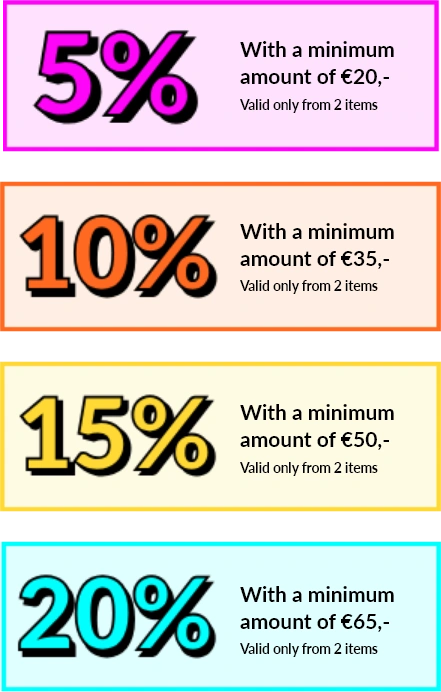
With us, you’ll find an extensive modeling range with quality products from renowned brands. We offer automatic discounts on multiple items, so you can expand your hobby affordably. Check our discount policies for the best deals on your favorite modeling products.
Frequently Asked Questions
What is the best brand for an absolute beginner in car modeling?
For beginners, Tamiya is the best choice due to their excellent fit and clear instructions. Start with a Tamiya kit in 1:24 scale with fewer than 100 parts, such as their Volkswagen Beetle or Honda S800. These kits forgive small mistakes and give you confidence to progress to more complex models.
How do I prevent losing small parts during building?
Use a large, shallow tray with raised edges as a work surface so parts don't roll away. Only cut parts from frames when you're ready to use them directly and sort them in pill boxes or ice cube trays. Work over a white towel so you can easily find dropped parts, and keep the plastic frames until your model is finished in case you miss a part.
Can I mix model paint to get the exact color of my favorite car?
Yes, you can mix acrylic paint or enamel paint within the same product line to create custom colors. Use a mixing ratio app or color chart as reference and always test first on a plastic spoon. Note your mixing ratios for consistent results and mix enough paint at once for your entire project to prevent color differences.
What is the biggest mistake beginners make in car modeling?
The biggest mistake is using too much glue, resulting in ugly stains and melted plastic. Use a toothpick to apply small drops of glue precisely to the connection points. Other common mistakes include: not dry-fitting parts before gluing, fingerprints on clear parts, and working too fast without respecting drying times.
How do I best store my finished model cars?
Store your models in a display cabinet or display case to keep them dust-free and protected from UV radiation. Avoid direct sunlight that can fade paint and use acid-free foam or felt as a base. For transport, wrap models in bubble wrap and place them in sturdy boxes with sufficient padding to prevent movement.
Is an airbrush really necessary or can I get good results with brushes too?
An airbrush isn't essential - many experienced model builders get beautiful results with quality brushes and the right technique. For large surfaces, you can use spray cans that give comparable results to an airbrush. Practice applying thin paint layers with a flat brush in one direction, and invest in good natural hair brushes for the best results.
How long should I wait before I can sell or exhibit my first model?
Focus the first 10-15 models on developing your skills before thinking about selling. For exhibitions, you can participate in beginner categories after just 5-6 models - the community is very supportive. Document your progress with photos, share your work on modeling forums for feedback, and visit local modeling clubs to learn from others.
Table of contents
Much viewed
More blogs