
-
 Dave Vinke
- Leestijd: 5 min
- Laatst geüpdatet: 26/03/2026

A speedcube is much more than just a puzzle – it’s a precision instrument specially designed for speed and performance. For many people, the traditional Rubik’s Cube is the first thing they know, but speedcubes represent an entirely new world of possibilities for both beginners and experienced puzzlers.
Whether you want to learn to solve your first cube or improve your personal record, understanding what distinguishes a speedcube from regular puzzles helps you make the right choice. Let’s explore the world of speedcubing and discover why these specialized cubes have become so popular.
What exactly is a speedcube?
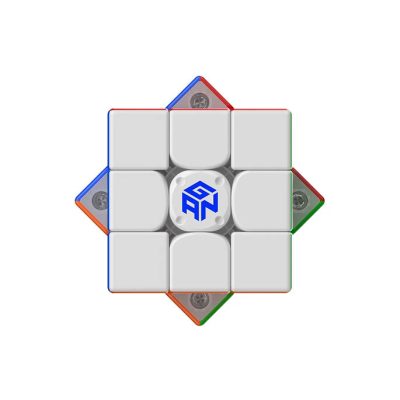
A speedcube is an optimized version of the classic 3×3 Rubik’s Cube, specially designed for fast solving and competitive use. These cubes have improved mechanisms, smoother rotations, and often magnetic components that provide precision and stability during turning.
Unlike traditional cubes, speedcubes are built with high-quality materials and advanced engineering. They usually contain internal mechanisms that minimize friction and enable corner cutting – this means you can turn a layer even when it’s not perfectly aligned with adjacent layers. These technical improvements make it possible to execute complex algorithms much faster.
Modern speedcubes are available in various sizes, from 2×2 to 7×7, with each size offering its own unique challenges and techniques. Most speedcubers start with a 3×3 cube, as this is the standard for most competitions and forms the foundation for learning speedcubing techniques.
What’s the difference between a speedcube and a regular Rubik’s Cube?
The main difference lies in construction and performance: speedcubes turn much more smoothly, have better corner cutting, and are designed for speed, while regular Rubik’s Cubes often turn stiffly and are less accurate. Speedcubes use advanced mechanisms and materials that are specifically optimized for competitive use.
A traditional Rubik’s Cube often has plastic-on-plastic friction, resulting in a stiff turning experience. Speedcubes, on the other hand, use specialized core systems, often with metal springs and precision engineering, that provide consistent tension and smooth movements. This makes an enormous difference in how quickly and accurately you can execute algorithms.
In terms of customizability, speedcubes also offer much more possibilities. You can adjust the tension, use different lubricants to optimize speed, and some models even have interchangeable magnets. These customization options make it possible to fine-tune the cube precisely to your turning preferences and style.
How does a magnetic speedcube work?
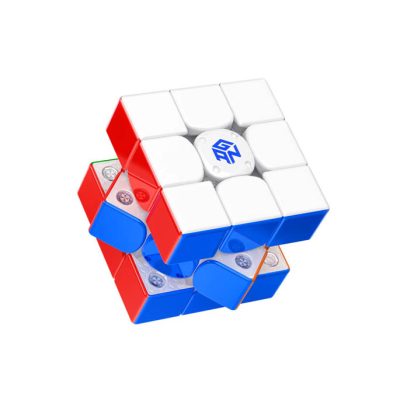
A magnetic speedcube contains small neodymium magnets that are integrated into the corner pieces and edge pieces. These magnets provide a subtle attractive force that helps align the layers during turning, resulting in more control and stability during fast solves.
The magnets are strategically placed so they give a slight “click” when the layers are perfectly aligned. This tactile feedback helps speedcubers turn more accurately without constantly having to look at the cube. The magnetic force is strong enough to provide support, but not so strong that it hinders turning speed.
For beginners, magnetic cubes offer extra stability that helps when learning new algorithms, while advanced speedcubers benefit from the improved control during complex fingertricks and fast sequences. The speedcube collection contains various magnetic options suitable for all levels, from beginner to competitive level.
Which speedcube is best for beginners?
For beginners, an affordable 3×3 magnetic speedcube with good out-of-the-box performance is best, such as models that turn smoothly without requiring much maintenance and adjustments. A good beginner cube should be stable, not too fast, and magnetic for extra control while learning basic algorithms.
Beginners should look for cubes that aren’t too sensitive to overturning, as this can cause frustration during the learning process. A cube with moderate speed and good corner cutting is ideal, as this forgives mistakes while you develop your technique. Magnetic feedback also helps in developing muscle memory for accurate movements.
It’s important to start with a cube that doesn’t require too much adjustment. Many premium cubes have extensive customization options, but as a beginner, you want to focus on learning to solve, not on fine-tuning your cube. A good beginner cube works excellently straight out of the box and grows with you as your skills improve.
How fast can you solve a speedcube?
Beginners can usually solve a speedcube in 1-2 minutes within a few weeks, while experienced speedcubers achieve averages of 10-15 seconds. World record holders solve cubes in less than 5 seconds, with the current world record under 4 seconds.
The speed at which you make progress depends on various factors: how often you practice, which method you learn, and how well you master the algorithms. Most people can achieve a consistent time under a minute within a month with regular practice. Reaching averages under 20 seconds usually requires months of dedicated training.
Speed doesn’t just depend on memorizing algorithms, but also on developing efficient fingertricks, lookahead (anticipating the next steps), and optimizing your cube setup. Many speedcubers discover that the journey to faster times is just as rewarding as achieving personal records, because each improvement is the result of enhanced technique and understanding.
Frequently Asked Questions
How do I maintain my speedcube for optimal performance?
Clean your speedcube regularly with a damp cloth and use special cube lubricant to keep the mechanisms smooth. Avoid water or soap in the internal parts, and adjust the tension if the cube feels too loose or too tight. Also check periodically that all stickers are still properly attached.
Can I upgrade my existing Rubik's Cube to speedcube performance?
While you can lubricate a traditional cube and adjust the tension, you'll never achieve the performance of a real speedcube due to fundamental design differences. It's more cost-effective to invest directly in a good speedcube than to try upgrading a regular cube.
Which fingertricks should I learn first as a beginner?
Start with basic R, U, and F moves using your index finger and thumb, and gradually learn R' and U' moves. Focus on using your index finger for R moves and your thumb for U moves. Practice these moves slowly until they feel natural before adding speed.
How do I know when I'm ready for a more advanced speedcube?
Upgrade to a more advanced cube when you consistently solve under 30 seconds and notice that your current cube is limiting you. Signs of this include: overturning during fast algorithms, poor corner cutting, or feeling that the cube no longer responds to your improved technique.
What are the most common mistakes speedcube beginners make?
Beginners often focus too much on speed instead of accuracy, use inefficient finger movements, and neglect learning proper fingertricks. Many also make the mistake of trying to learn too many different methods at once instead of mastering one method well.
Is it worth participating in speedcubing competitions?
Absolutely! Competitions offer a great way to meet other speedcubers, test your skills under pressure, and stay motivated to improve. You don't need super-fast times - most competitions welcome cubers of all levels, and the community is very supportive.
Table of contents
Much viewed
More blogs