
-
 Dave Vinke
- Leestijd: 5 min
- Laatst geüpdatet: 05/01/2026

A 3D puzzle is a three-dimensional puzzle where you assemble separate components into a spatial object, such as a building, vehicle, or decorative item. Unlike traditional flat puzzles, 3D puzzles create tangible models that you can view, hold, and often use as decoration. These puzzles combine logical thinking with spatial insight and offer a unique experience, where the end result is a physical object you can proudly display.
What makes a 3D puzzle different from a regular puzzle?
3D puzzles differ fundamentally from traditional flat puzzles because you work with spatial dimensions instead of just a flat surface. With a regular jigsaw puzzle, you place pieces next to each other based on colors and patterns, while with 3D puzzles you position components above, below, and around each other to create volume and depth.
The main difference lies in the required skills. Traditional puzzles primarily require pattern recognition and patience, while 3D puzzles require spatial insight and construction skills. You must understand how different components connect in three dimensions and which assembly sequence works best.
The experience also differs significantly. A flat puzzle gives satisfaction when the last piece falls into place, but a 3D puzzle offers a continuously growing sense of satisfaction as the object takes shape. The end result has practical value as a decorative piece or toy, rather than just an image that you might frame.
What different types of 3D puzzles exist?
There are various categories of 3D puzzles, each with their own characteristics and challenge level. Architectural models form the largest group and include famous buildings like the Eiffel Tower, Big Ben, or modern skyscrapers. These puzzles focus on precision and patience when assembling complex structures.
Mechanical brain teasers form a separate category where you must not only assemble but also understand how moving parts function. Think of gears, locks, or mechanical animals where the end result actually moves or has a function.
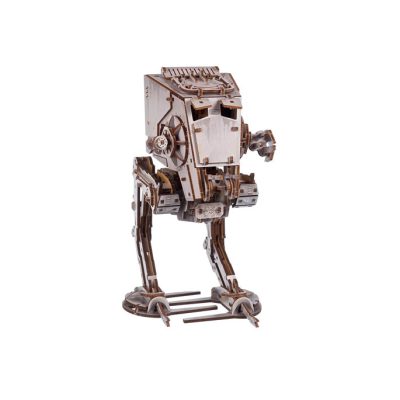
Wooden 3D puzzles offer a premium experience with natural materials and often more complex connection techniques. These wooden construction puzzles require no glue and use clever notches and connections that fit together perfectly. Foam puzzles, on the other hand, are lighter and safer, ideal for younger puzzlers.
Crystal puzzles represent a modern variant where transparent plastic components create a glass-like effect. These puzzles are often illuminated and function as decorative lamps or art objects. 3D building kits for model making combine puzzling with detailed model construction, where the end result is a scale model of vehicles, aircraft, or ships.
How difficult are 3D puzzles actually to solve?
The difficulty level of 3D puzzles varies enormously, from simple 20-piece puzzles for beginners to complex projects with more than 1000 components for experienced puzzlers. The number of components gives an initial indication, but the real challenge is determined by factors such as the complexity of connections, the clarity of instructions, and the detail level of the final model.
Beginners should start with architectural models of 50 to 150 components. These offer a clear structure and logical building sequence without overly complex details. Advanced puzzlers can venture into mechanical models or wooden construction puzzles that require precision and spatial insight.
The biggest challenge often lies not in the individual steps, but in maintaining an overview of the total construction. Unlike flat puzzles, you cannot see all components simultaneously, making planning and organization crucial. It helps to organize your workspace well and sort components before you begin.
Time also plays an important role. While a 500-piece jigsaw puzzle takes a few evenings, a complex 3D puzzle can take weeks to complete. The advantage is that you can admire intermediate steps and easily interrupt the project without taking everything apart.
Why have 3D puzzles become so popular?
3D puzzles have gained popularity because they fulfill multiple needs simultaneously in our digital age. They offer a tangible, screen-free activity that combines mental stimulation with physical dexterity. In a world full of virtual experiences, 3D puzzles give the satisfaction of creating something real and tangible.
Educational value plays an important role in their popularity. 3D building kits for model making teach children and adults in a playful way about architecture, history, mechanics, and problem-solving. They develop spatial insight, concentration, and perseverance.
Relaxation value also contributes to their success. Assembling a 3D puzzle works meditatively and helps reduce stress. The focus required for placing components provides a natural form of mindfulness, where daily worries temporarily fade into the background.
The social aspect should not be underestimated. 3D puzzles are excellent group activities where family or friends can work together on a project. The end result gives a shared sense of pride and satisfaction. Moreover, completed puzzles function as conversation starters and decorative objects that evoke memories of the building process.
For those interested in discovering different 3D puzzle variants, our 3D puzzle assortment offers an extensive selection for all levels and interests. From simple beginner models to complex architectural masterpieces, there is a suitable challenge for every puzzle enthusiast.
Frequently Asked Questions
How long does it take on average to complete a 3D puzzle?
The time varies greatly depending on the number of components and complexity. A simple 3D puzzle of 50-100 pieces usually takes 2-4 hours, while complex models of 500+ components can require 10-20 hours, spread over multiple days or weeks. Mechanical puzzles with moving parts often require extra time to understand how they work.
What should I do if I have placed a component incorrectly?
Stop building immediately and try to carefully remove the wrong component before continuing. Most 3D puzzles are designed to be taken apart, but never force anything. Consult the instructions to see if you can retrace steps, and take time to identify the correct position before starting again.
Do I need special tools for building 3D puzzles?
Most 3D puzzles require no special tools and can be assembled by hand. However, a clean, well-lit workspace with sufficient room can help. For wooden puzzles, light sandpaper can sometimes be useful if components fit too tightly, and for crystal puzzles, a soft cloth can be helpful for removing fingerprints.
Can children make 3D puzzles independently?
Children from 8-10 years old can make simple 3D puzzles independently, depending on their development level and patience. Start with models of maximum 100 components and clear instructions. Younger children (6-8 years) often need guidance from an adult, especially when interpreting building steps and handling small components.
What can I do if my completed 3D puzzle falls apart?
If your puzzle regularly falls apart, check whether all components are correctly placed according to the instructions. Some puzzles have 'key pieces' that hold the entire construction together. For permanent stability, you can use special puzzle glue, but remember that this makes the model permanent and you can no longer disassemble it.
How do I best store my 3D puzzle after completion?
Place completed 3D puzzles on a stable surface away from direct sunlight and dust. For wooden puzzles, avoid humid environments that can cause expansion. Crystal puzzles look best when you regularly dust them with a soft cloth. If you want to move the model, lift it carefully at the strongest components.
Are there 3D puzzles suitable for advanced users seeking a real challenge?
Yes, there are very challenging 3D puzzles for experts, such as mechanical models with 1000+ components, complex architectural replicas with moving parts, or wooden brain teasers without instructions. Look for puzzles with difficulty level 'expert' or 'master level', mechanical clockworks, or modular systems where you can combine multiple models into a larger whole.
Table of contents
Much viewed


More blogs