
-
 Dave Vinke
- Leestijd: 5 min
- Laatst geüpdatet: 05/01/2026

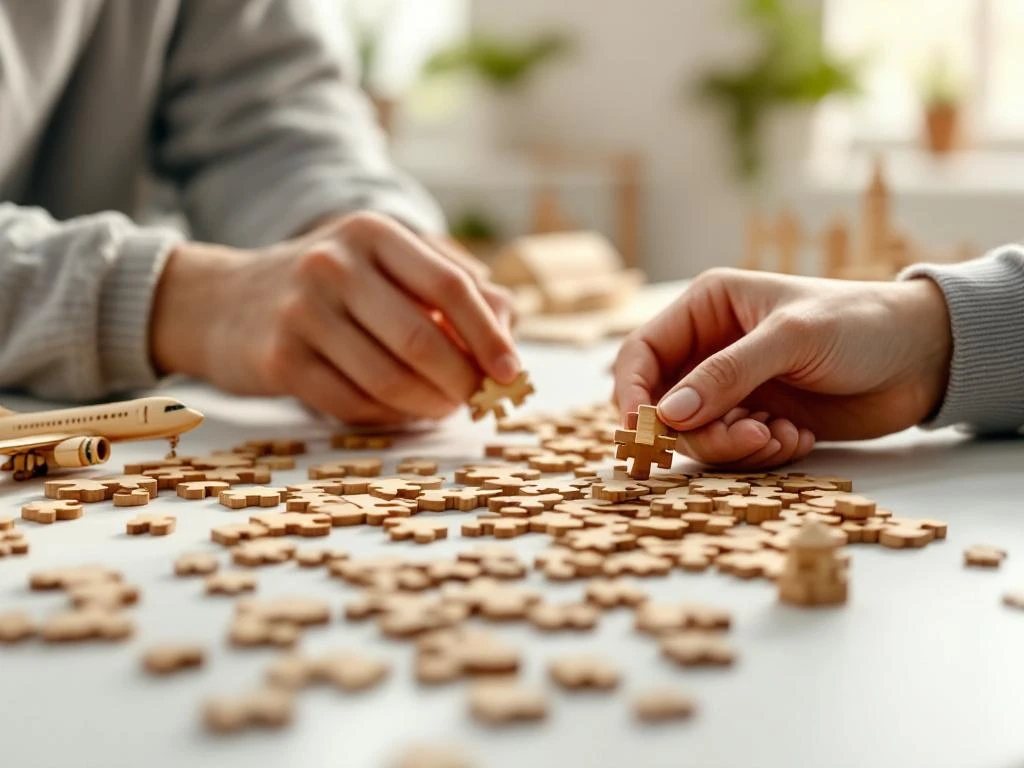
When a piece of your 3D puzzle doesn’t fit, the problem usually lies with a previously incorrectly placed component, damaged pieces, or an error in interpreting the instructions. Systematically check your progress by going back to the last step you’re certain is correct. With wooden 3D puzzles and model building kits, patience is essential to prevent damage.
Why does a piece of my 3D puzzle suddenly not fit anymore?
The most common problem is that a previously placed component isn’t positioned correctly, causing subsequent pieces to not fall into place. An incorrect orientation of components creates a domino effect where the entire structure becomes unbalanced. This happens especially with complex wooden 3D puzzles, where precision is crucial.
Forced placement is another common cause. When you push a piece into place with force, it may seem to fit, but it disrupts the geometry for subsequent components. With high-quality 3D building kits for modeling, all pieces should slide together effortlessly without requiring pressure.
Damaged components can also cause problems. Small cracks, bent edges, or worn tabs prevent pieces from fitting precisely. This occurs more frequently with cheaper puzzles, where materials are less durable.
Incorrect interpretation of instructions leads to errors in the building sequence. Sometimes steps look similar or diagrams are unclear. It’s important to carefully study each step before proceeding.
How do you check if you’ve made an error during assembly?
Start by comparing your current progress with the instructions. Go back step by step until you find a point where everything was still correct. Take photos of your progress so you can easily return to working configurations.
Check the orientation of each component by comparing it with the diagrams. Carefully rotate suspicious pieces to see if they fit better in a different position. Pay special attention to symmetrical components that look identical but are actually different.
Look for patterns that indicate systematic errors. If multiple pieces in a certain area don’t fit, the problem likely lies with a fundamental component in that section. With wooden 3D puzzles, these are often corner pieces or connecting elements.
Test the flexibility of the structure. A correctly built puzzle feels solid, without components wobbling or shifting. Loose connections indicate incorrectly placed pieces earlier in the building process.
What do you do if a puzzle piece is damaged or broken?
Contact the manufacturer or seller immediately when you discover damaged components. Keep the original packaging and take photos of the defective component. Most reputable brands offer replacement parts within the warranty period.
For temporary repairs, you can carefully glue small cracks in wooden components with wood glue. Let it dry completely before continuing to build. With plastic components, super glue often works well, but test first on an inconspicuous part.
Search for replacement parts by contacting specialized puzzle shops. Many manufacturers keep spare parts in stock, especially for popular models. Online communities can also help find replacement pieces.
Consider a puzzle defective when essential structural components are missing or so damaged that repair is impossible. In that case, you’re entitled to a complete replacement or refund according to consumer law.
How do you prevent pieces from not fitting during construction?
Read the instructions completely before starting and study the diagrams carefully. Organize all components by building phase in separate containers or on different parts of your work table. This prevents confusion and incorrect placement of components.
Never force a piece into place. With quality puzzles, components fit together effortlessly when correctly oriented. Work in good lighting conditions so you can see small details and markings on the components.
Take regular breaks to prevent mistakes. Fatigue leads to inattention and poor decisions. Check after each important step whether everything is still correct before proceeding to the next phase.
Choose quality 3D puzzles from reputable brands. These have better fit, clearer instructions, and fewer production errors. While they’re more expensive, they save frustration and time during construction. High-quality 3D building kits for modeling also offer better customer service for support with problems.
By applying these preventive measures, you significantly reduce the chance of problems and can enjoy a smooth building process without unnecessary frustrations.
Frequently Asked Questions
How do I know whether it's better to start over or continue repairing?
If you need to disassemble more than 30% of the puzzle to correct an error, it's often more efficient to start over. With fewer than 10 steps to go back, you can usually continue with repairs. Make this decision based on how much time you've already invested and how complex the error is.
What are the best tools to have on hand while building 3D puzzles?
A good lamp, magnifying glass for small details, soft mat to protect components, and small containers for sorting pieces are essential. For wooden puzzles, a small rubber hammer is handy for gentle adjustments, and for plastic models, a precision knife for neatly finishing components.
How long should I wait with glue before I can continue building?
With wood glue, wait at least 30 minutes for light loading, but 24 hours for full strength. Super glue for plastic is usually dry enough within 10-15 minutes to carefully continue working. Always test the strength first before placing the next component.
What do I do if the instructions are unclear or contain errors?
Search online for video tutorials or build reports of the same model. Many manufacturers also have online forums or customer service that can help. Take photos of problematic steps and share them in puzzle communities - other builders have often experienced the same problems and can offer practical solutions.
How do I store a half-finished puzzle without damaging it?
Place the puzzle on a sturdy cardboard or wooden board that you can move. Cover with a transparent plastic cover to keep dust away while still being able to see the progress. Store loose components in labeled bags and take a photo of your current step to easily continue later.
Is it normal for some connections to feel looser than others?
With quality puzzles, all connections should feel approximately equally secure. Loose connections usually indicate production variations or wear of the components. This is acceptable as long as the structure remains stable, but with important load-bearing components, you can contact the manufacturer for advice.
Which brands are most reliable for beginners?
Ravensburger, Ugears, and Robotime are known for their clear instructions and good fit, ideal for beginners. These brands also have excellent customer service and often offer free replacement parts. Start with models of 100-200 components to gain experience before tackling more complex puzzles.
Table of contents
Much viewed

More blogs