
-
 Dave Vinke
- Leestijd: 5 min
- Laatst geüpdatet: 26/03/2026

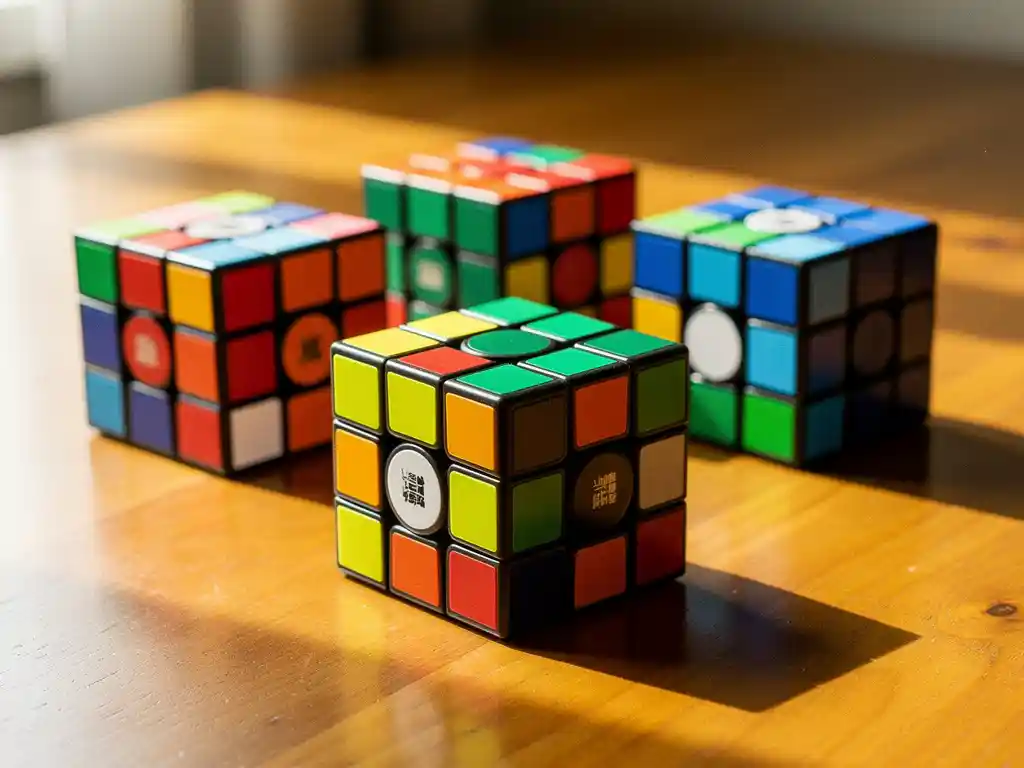
Magnetic speed cubes have revolutionized the world of speedcubing by adding strategically placed magnets that provide greater stability and control during turning. This innovation has helped both beginners and professional speedcubers improve their times and achieve a more enjoyable puzzling experience.
For many cubers, switching to magnetic speed cubes has been a game-changer, but what exactly makes these cubes so special? Let’s examine all aspects of magnetic speed cubes to help you understand why they’ve become so popular in the speedcubing community.
What exactly are magnetic speed cubes?
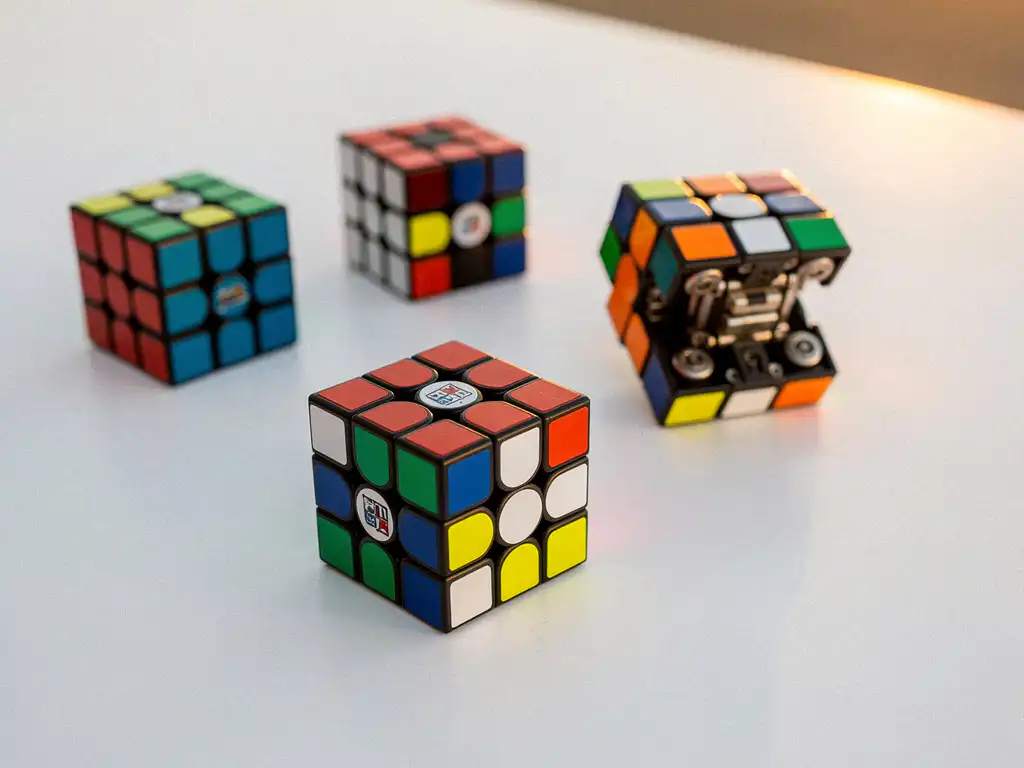
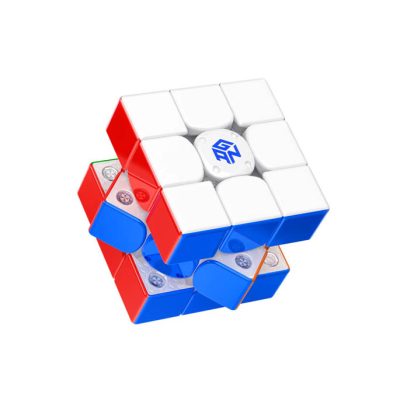
Magnetic speed cubes are Rubik’s Cube variants that have small neodymium magnets built in to improve stability and the turning experience. These magnets ensure that the different layers of the cube align better and are less likely to shift out of position during speedcubing.
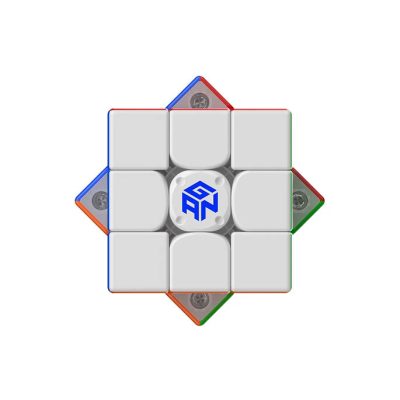
The magnets are strategically located in the corner pieces and edge pieces of the cube. When you turn a layer, these magnets help keep the pieces neatly in place and prevent the cube from feeling too loose. This results in more control over your movements and ultimately better times.
At Speedcube.nl you’ll find an extensive range of magnetic speed cubes from various brands and quality levels. From budget-friendly options to premium cubes for competitive speedcubers: there’s a suitable magnetic variant available for every cuber.
How do the magnets in a speed cube work?
The magnets in a speed cube work through magnetic attraction between opposing pieces. Small neodymium magnets are placed in the corner pieces and edge pieces so they attract each other when the layers are correctly aligned.
This magnetic force is subtle but effective. The magnets are strong enough to provide stability, but not so strong that they impede turning. When you turn a layer, you feel slight resistance and a “click” when the pieces come into the correct position. This gives you tactile feedback about the cube’s position without having to look.
The strength of the magnets is carefully calibrated by manufacturers. Magnets that are too weak provide insufficient stability, while magnets that are too strong can slow down turning. Most modern magnetic cubes have found the perfect balance between stability and speed.
What are the advantages of magnetic speed cubes?
Magnetic speed cubes offer improved stability, more control during fast algorithms, and a more consistent turning experience compared to regular speed cubes. These advantages often lead to better times and a more pleasant feeling while cubing.
The most important advantage is increased stability. During fast movements, regular cubes can sometimes “overshoot,” where layers turn further than intended. Magnetic cubes prevent this by keeping the pieces in place. This is especially valuable during complex algorithms where precision is crucial.
Additionally, magnetic cubes offer better control for one-handed cubing and blindfold solving. The tactile feedback helps cubers feel when movements have been executed correctly, even without visual control. They also reduce hand fatigue because you need to exert less force to keep the cube stable.
What’s the difference between magnetic and regular speed cubes?
The main difference between magnetic and regular speed cubes lies in stability and control. Magnetic cubes have built-in magnets that ensure better layer alignment, while regular cubes rely entirely on mechanical tolerances for their stability.
Regular speed cubes can feel faster because there’s no magnetic resistance, but this comes at the cost of control. They’re more susceptible to overshooting and can become unstable during fast movements. For beginners, this can be frustrating because it’s harder to make precise movements.
Magnetic cubes, on the other hand, are more forgiving of small inaccuracies in your movements. They feel more solid and provide more confidence during speedcubing. The only drawback is that they can be slightly heavier due to the added magnets, but this difference is usually negligible.
Which magnetic speed cube is best for beginners?
For beginners, magnetic speed cubes with medium-strength magnets are most suitable, such as the RS3M or the GAN 356 M. These cubes offer a good balance between stability and turning speed without being overwhelming for new cubers.
Beginners benefit most from cubes with clear but not too strong magnetic feedback. Magnets that are too strong can make learning new algorithms difficult because they offer too much resistance. Magnets that are too weak don’t provide sufficient support when developing good turning techniques.
When choosing your first magnetic speed cube, it’s also important to consider the price-quality ratio. Many budget-friendly magnetic cubes nowadays offer excellent performance that’s perfect for beginners. We always recommend starting with an affordable option and later upgrading to premium cubes as your skills improve.
Frequently Asked Questions
How do I know if my speed cube is magnetic?
You can test this by holding two pieces of the cube close together - if they attract each other you'll feel a subtle magnetic force. Magnetic cubes also usually have a slightly heavier weight and a characteristic 'click' when layers align correctly.
Can the magnets in a speed cube break or weaken?
Neodymium magnets in speed cubes are very durable and retain their strength for years with normal use. They can only be damaged by extreme heat (above 80°C) or hard impacts. With daily cubing, you don't need to worry about this.
What should I do if my magnetic cube feels too tight or too loose?
You can adjust this by changing the cube's tension via the screws in the core, or by lubricating the cube with speed cube oil. Start with small adjustments - a quarter turn of the screws can make a big difference in feel.
Is it possible to make a regular speed cube magnetic yourself?
Yes, this is possible with magnetization kits that contain small magnets and glue. However, it requires precision and patience to place the magnets correctly. For beginners, it's often more cost-effective to buy a ready-made magnetic cube directly.
Do magnetic speed cubes make noise while turning?
Magnetic cubes make a subtle 'click' sound when the magnets attract each other during correct alignment. This sound is softer than with regular cubes and many cubers actually find it pleasant because it provides tactile feedback.
Are magnetic speed cubes allowed in official competitions?
Yes, magnetic speed cubes are fully allowed in all official WCA (World Cube Association) competitions. Many world records have now been set with magnetic cubes, and they have become the standard in competitive speedcubing.
Table of contents
Much viewed
More blogs