
-
 Dave Vinke
- Leestijd: 5 min
- Laatst geüpdatet: 14/11/2025

Educational gifts for children are toys and games that stimulate cognitive skills, problem-solving abilities and creativity while children play with them. Educational toys for Christmas combine fun with development, such as puzzles, speed cubes and brain teasers. These gifts keep children challenged without them experiencing it as ‘learning’, giving both parents and children benefits during the holidays.
Why are educational gifts better than regular toys?
Educational gifts stimulate active engagement and development, while regular toys often provide passive entertainment. Educational toys challenge children to solve problems, recognize patterns and think creatively. The difference lies in how children interact with them: a tablet with games keeps children busy, but a brain teaser or speed cube activates their minds and motor skills.
The beauty of developmental toys is that children don’t realize they’re learning. They experience it as challenge and fun, not as schoolwork. A child trying to solve a Rubik’s Cube is simultaneously training spatial awareness, memory and perseverance. Giving children puzzles as gifts means investing in skills they can use throughout their lives.
Parents also benefit from educational gifts. These toys remain interesting longer because the challenge grows with the child. A good brain teaser offers different difficulty levels, so it doesn’t disappear into the closet after a week. During the holidays, children often receive many gifts, but the educational ones prove to be the most valued in hindsight.
Which educational gifts suit different age groups?
For toddlers (3-5 years), simple puzzles and basic brain teasers are ideal. Think of wooden puzzles with large pieces, simple shape-sorting boxes and first introduction to a 2×2 speed cube. At this age, children develop their fine motor skills and hand-eye coordination. Colorful puzzles with recognizable figures hold their attention and teach them patience and concentration.
Elementary school children (6-9 years) can handle more challenging material. A classic 3×3 Rubik’s Cube is perfect for this age, as well as wooden brain teasers like metal puzzles that need to be taken apart. They now understand strategies and can think several steps ahead. Puzzles with 100 to 500 pieces offer sufficient challenge without being overwhelming.
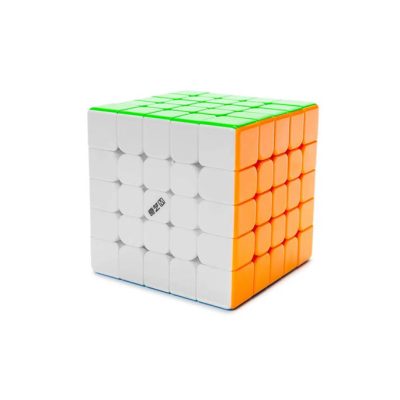
Older children (10+ years) are ready for more complex challenges. Magnetic speed cubes like 4×4 or 5×5 variants offer endless possibilities for improvement and time reduction. 3D puzzles of buildings or vehicles combine spatial awareness with patience. Advanced brain teasers and logical puzzle games match their developed problem-solving abilities and can even challenge adults.
What are the most popular educational gifts for Christmas?
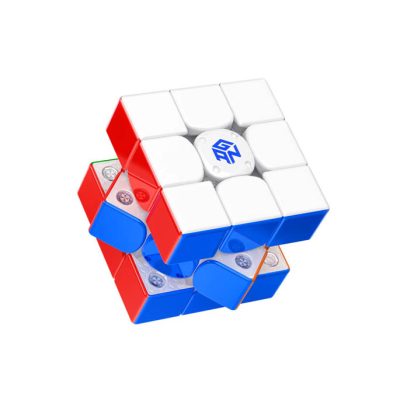
The Rubik’s Cube remains popular year after year because it offers a timeless challenge that connects generations. Parents who played with the cube themselves in the past now pass it on to their children. Modern magnetic speed cubes turn more smoothly and are more user-friendly, making them more accessible for beginners. These puzzle gifts for children continue to fascinate because there’s always room for improvement.
Wooden brain teasers are experiencing a remarkable comeback during the holidays. These classic puzzles have something tactile and aesthetically appealing that digital toys lack. They feel good in your hands and invite experimentation. From simple knot puzzles to complex mechanical constructions, there’s something available for every level. They’re also perfect as gifts because they can be beautifully presented.
Newer options are quickly gaining ground. Magnetic speed cubes with improved turning mechanisms make speed cubing more accessible than ever. Fidget puzzles combine the calming effect of fidget toys with puzzle elements, ideal for children who like to keep their hands busy. 3D puzzles of famous buildings or vehicles offer visual satisfaction alongside the mental challenge. These modern educational gifts align with contemporary interests while offering the same developmental benefits.
How do you choose an educational gift that will actually be used?
Match the gift with the specific interests of the child. A child who loves building will enjoy 3D puzzles or model construction more than a speed cube. Observe what the child already plays with and choose something that connects to that but is a step more difficult. Ask parents about current hobbies and favorite activities to make a well-informed choice.
The right difficulty level is crucial. Too easy and the gift becomes boring quickly, too difficult and it ends up frustrated in the closet. Choose puzzles and brain teasers that are just above the child’s current level. A good rule of thumb: it should be challenging but solvable within a reasonable time. For speed cubes, this often means starting with a 2×2 or 3×3 before moving to larger formats.
Visual appeal often determines whether a gift gets picked up. Colorful, well-designed puzzles attract more attention than boring variants. Also pay attention to material quality: sturdy plastic, smoothly turning speed cubes and solid wood feel more pleasant and last longer. Durability is important because children use their favorite toys intensively. Quality educational gifts last for years and can even be passed on to younger siblings.
Preferably choose gifts that grow with the child. Some brain teasers have multiple solutions or difficulty levels. Speed cubes can first be used simply as puzzles and later for time improvement. Puzzles can be collected in increasing complexity. This versatility ensures the gift remains relevant as the child develops.
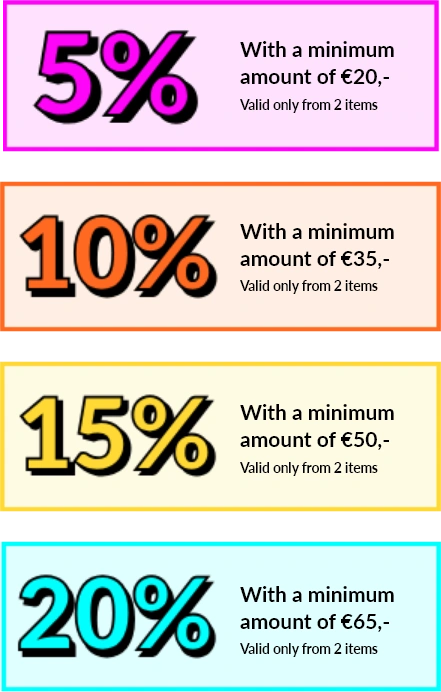
With us, you’ll find an extensive range of educational toys for all ages and interests. We offer speed cubes from beginner to advanced level, classic and modern brain teasers, and challenging puzzles that stimulate development. Take advantage of our automatic discounts on multiple items when you’re looking for gifts for different children or occasions. Also check our current offers for extra savings on popular educational gifts this season.
Frequently Asked Questions
How do you motivate a child to continue when they get frustrated with a difficult puzzle or brain teaser?
Start by looking at the problem together and celebrate small successes, like solving one side of a Rubik's Cube. Put the puzzle aside temporarily and return to it later - fresh eyes often help. Encourage using tutorials or step-by-step guides, because learning from others isn't cheating but a smart strategy. Most importantly, show patience and emphasize that making mistakes is part of the learning process.
Can educational gifts also be suitable for children with concentration problems or ADHD?
Absolutely, many educational toys actually work well for children with concentration problems. Fidget puzzles and speed cubes offer a constructive way to channel excess energy while focusing. Choose puzzles with clear, short goals so children experience quick moments of success. Start with simpler variants and build up slowly, allowing the child to develop confidence without becoming overwhelmed.
What do you do if a child finds the educational gift too childish or 'boring'?
Present the gift as a personal challenge or competition, for example by participating yourself and comparing times in speed cubing. Show YouTube videos of impressive speed cubers or puzzlers for inspiration. For older children, you can also emphasize the scientific side, like the mathematics behind a Rubik's Cube or the number of possible combinations. Sometimes it helps to leave the gift alone for a while - curiosity often does the rest.
Is it wise to give multiple educational gifts at once or better one at a time?
One high-quality educational gift per occasion usually works better than multiple at once. Children can then focus completely on that one challenge without being overwhelmed by choices. If you still want to give multiple gifts, combine one educational item with other types of gifts. This provides variety and prevents the child from feeling they're only receiving 'learning gifts'.
How do you know if a speed cube or brain teaser is good quality before buying it?
Pay attention to material and finish: good speed cubes have smooth movements without catching, and brain teasers are made of sturdy wood or durable plastic without sharp edges. Read product reviews from other buyers and look for brand names known for quality. With online purchases, clear product photos and detailed descriptions of mechanisms and materials are good indicators. Specialized shops like speed cube stores usually offer better quality than general toy stores.
Can adults also enjoy these educational gifts or are they really only for children?
These puzzles and brain teasers are absolutely suitable for adults too and increasingly popular as stress relief and mental training. Many adults discover speed cubing as a hobby or use brain teasers as desk toys during work breaks. More complex variants like 5x5 speed cubes or advanced wooden puzzles offer challenges that keep even experienced puzzlers busy for hours. Puzzling together as a family also creates valuable quality time.
What's the best way to teach a child speed cubing if you can't do it yourself?
There are countless free online tutorials and YouTube channels specifically for beginners that explain the basics step-by-step. Start with the layer-by-layer method, which is most intuitive for beginners. Let your child learn at their own pace and encourage practicing a few minutes daily instead of long sessions. Many speed cube communities and forums also offer support where children (and parents) can ask questions.
Table of contents
Much viewed
More blogs