
-
 Dave Vinke
- Leestijd: 5 min
- Laatst geüpdatet: 26/03/2026

Choosing a gift can be challenging, especially when you want to surprise someone with something original and engaging. A speedcube is a modern variant of the classic Rubik’s Cube, specially designed for speed and smooth movements. More and more people are discovering the joy of speedcubing as a hobby, which raises the question of whether this could be a successful gift.
Whether you’re looking for a gift for a puzzle enthusiast, a curious child, or someone who enjoys learning new skills: a speedcube offers unique benefits. In this article, we answer the most important questions about speedcubes as gifts, so you can make an informed choice.
Why is a speedcube a good gift?
A speedcube is an excellent gift because it stimulates cognitive skills, provides long-lasting entertainment, and is suitable for all ages. Unlike digital gadgets, a speedcube requires no batteries or screen time, making it a timeless and sustainable choice.
The benefits of a speedcube as a gift go beyond just entertainment. It develops problem-solving abilities, improves spatial awareness, and trains memory. Moreover, it’s a social hobby with communities and competitions built around it. For the recipient, this means the opportunity to become part of a worldwide community of puzzle enthusiasts.
Another major advantage is its versatility. A speedcube fits in any pocket, can be taken anywhere, and offers hours of challenge. It’s suitable both for brief moments of relaxation and intensive practice sessions. This makes it a practical gift that gets regular use.
For what age is a speedcube suitable as a gift?
A speedcube is suitable as a gift from approximately 8 years old well into adulthood. Children from this age have sufficient fine motor skills and concentration to learn the basic movements, while there’s no upper limit to the enjoyment of puzzling.
For children between 8 and 12 years, a speedcube offers educational value by developing logical thinking and perseverance. Teenagers often appreciate the competitive aspects and the possibility of achieving impressive times. Adults regularly use speedcubing for stress relief and mental training.
Seniors find speedcubing an excellent way to keep their minds sharp. Regular practice with algorithms and patterns can contribute to maintaining cognitive functions. The social aspects of speedcubing communities also make it a connecting activity between generations.
Which speedcube is best for beginners?
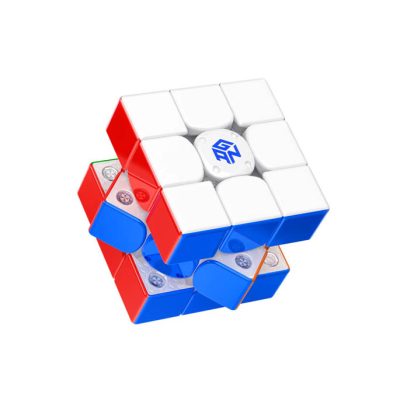
For beginners, a magnetic 3×3 speedcube of good quality is best, such as the MoYu RS3M or the GAN 356 M. These cubes turn excellently, are affordable, and have magnetic positioning that makes learning easier.
The magnetic function is especially important for beginners because it makes the cube automatically click into the correct position while turning. This prevents frustration and makes the learning process more enjoyable. A good beginner cube doesn’t need to be expensive, but it should turn smoothly and be durable.
Avoid extremely cheap cubes that turn poorly or break quickly, but also don’t immediately choose the most expensive professional models. A speedcube in the mid-range offers the perfect balance between quality and price for someone just starting with this fascinating hobby.
What are the benefits of speedcubing as a hobby?
Speedcubing as a hobby offers cognitive benefits, such as improved concentration, faster pattern recognition, and stronger spatial awareness. Additionally, it develops patience and perseverance and gives a sense of achievement with every solved cube.
The mental benefits are scientifically supported. Regular puzzling stimulates both brain hemispheres and can contribute to better memory and faster information processing. For students, speedcubing can help develop study skills and concentration.
Social benefits are equally important. The speedcubing community is active worldwide, with local clubs, online forums, and international competitions. This provides opportunities for new friendships and exchange of techniques. Moreover, it’s a hobby that takes up little space and can be practiced anywhere, from public transport to breaks at school or work.
How do you choose the right speedcube for someone else?
When choosing a speedcube for someone else, you need to consider their experience, age, and interests. For complete beginners, choose a reliable 3×3 magnetic cube, while experienced cubers might prefer specific brands or formats.
Observe whether the person already has puzzle experience with other brain teasers or logical games. This provides insight into their interest level and patience for complex challenges. For children, brightly colored, lighter cubes are often more appealing, while adults might prefer more subtle colors or professional-looking designs.
Also consider including an instruction booklet or referring to online tutorials. This shows you’ve thought about their learning process and increases the chance they’ll actually start using the speedcube. A complete set with cube, stand, and possibly lubricant makes the gift even more special and practical.
Frequently Asked Questions
How long does it take before someone can solve a speedcube?
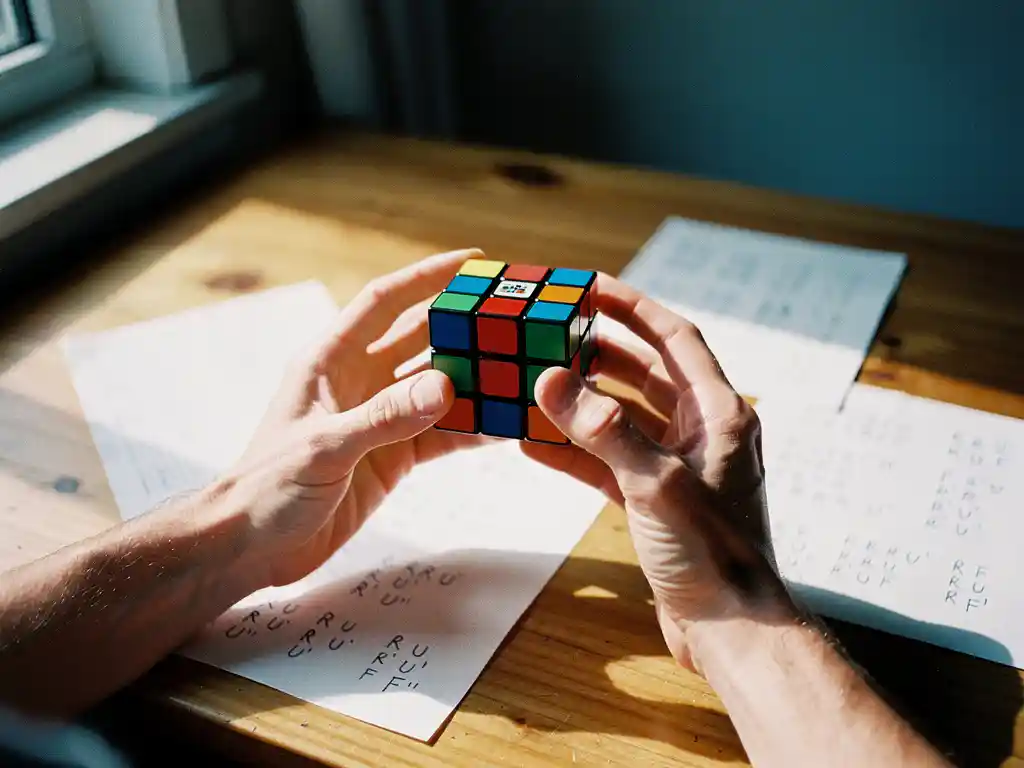
For beginners, it usually takes 1-4 weeks to learn the basic method, depending on practice time. With daily practice of 15-30 minutes, most people can solve their first cube within a month. Achieving faster times (under a minute) can take several months to a year.
What if the recipient finds the speedcube too difficult?
Start with simple online tutorials that explain step-by-step how to solve a cube. YouTube has excellent English tutorials for beginners. If it's still too frustrating, consider a 2x2 speedcube as an intermediate step - this is much simpler but retains the joy of puzzling.
Are there different types of speedcubes besides the 3x3?
Yes, there are many variants such as 2x2, 4x4, 5x5 cubes and even pyraminx or skewb puzzles. For gift purposes, the 3x3 is most universal, but experienced puzzlers often appreciate more challenging formats. A 2x2 cube is perfect for younger children or as a stepping stone to the 3x3.
How do you maintain a speedcube and does it last long?
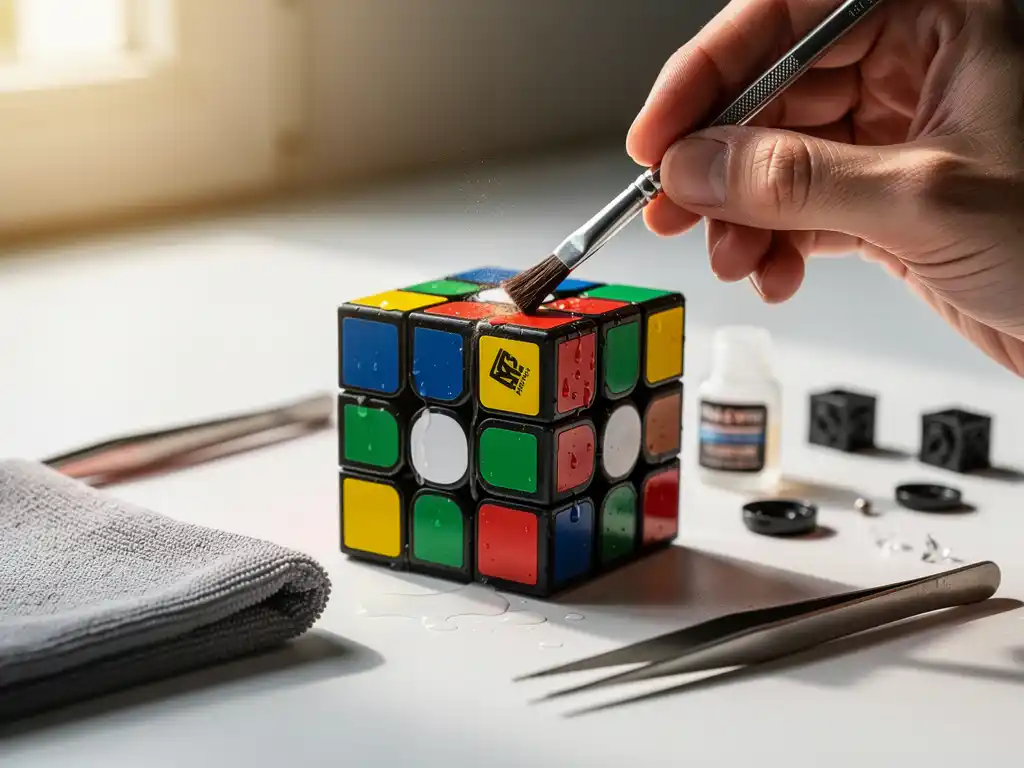
A good speedcube lasts for years with minimal maintenance. Keep the cube clean by wiping away dust and occasionally use special cube lubricant for optimal performance. Avoid dropping on hard surfaces and store the cube in a dry place. With normal use, a quality cube remains functional for years.
What are the costs of speedcubing as a hobby?
The initial investment is low - a good beginner cube costs $10-25. Further costs are optional: extra cubes ($15-50), lubricant ($5-10), or a timer ($15-30). Unlike many other hobbies, there are no ongoing costs, making speedcubing a very affordable long-term hobby.
Can speedcubing really help with school performance or work?
Yes, speedcubing develops skills that are transferable to study and work. It improves pattern recognition, spatial awareness, concentration, and problem-solving ability. Many cubers report better focus on tasks and improved mathematical skills. The discipline of regular practice also contributes to better study habits.
How do you find local speedcubing communities or competitions?
Search online for 'speedcubing' in your area or 'WCA competitions' for official competitions. Many cities have local clubs that meet regularly. Facebook groups and Discord servers are excellent places to find fellow cubers. The World Cube Association website shows all official competitions in your region.
Table of contents
Much viewed
More blogs