
-
 Dave Vinke
- Leestijd: 5 min
- Laatst geüpdatet: 05/01/2026

A 3D puzzle is absolutely a wonderful gift that stands out from traditional presents. These puzzles offer a unique combination of mental challenge and tangible result, where the recipient has a beautiful decorative object after completion. They stimulate problem-solving abilities and spatial insight, making them both entertaining and educational for all ages.
What makes a 3D puzzle such a special gift?
A 3D puzzle distinguishes itself from ordinary puzzles by creating a three-dimensional object that can serve as decoration after completion. Instead of a flat picture, you get a tangible structure that can be proudly displayed. These puzzles combine the mental challenge of traditional puzzling with the satisfaction of model building.
The unique aspect of wooden 3D puzzles is that they often require no glue. The components fit perfectly together through clever designs and precision cutting. This makes the puzzle process extra satisfying, as each piece clicks into place with a gratifying sense of completion.
For different age groups, 3D puzzles offer specific benefits. Children develop their spatial insight and fine motor skills, while adults enjoy the meditative aspects and cognitive challenge. Seniors appreciate the mental stimulation that helps keep their minds sharp.
For which occasions is a 3D puzzle the perfect gift?
3D puzzles are versatile gifts that perfectly suit various occasions and moments. They are ideal for birthdays, especially when you’re looking for something that offers both entertainment and lasting value. The gift provides weeks or months of enjoyment during building and years of satisfaction as decoration.
During holidays like Christmas and other celebrations, 3D building sets and model kits are popular choices. They provide perfect activity during cold winter months and can be made together with family. For children, they are excellent educational gifts that combine learning and play.
As rewards for achievements, such as good school results or earning a diploma, 3D puzzles symbolize perseverance and step-by-step goal achievement. They are also thoughtful gifts for people recovering from illness or stress, as puzzling works in a relaxing and therapeutic way.
How do you choose the right 3D puzzle for the recipient?
Choosing the perfect 3D puzzle begins with assessing the experience and age of the recipient. Beginners do well with puzzles of 50-100 pieces and an estimated building time of 2-4 hours. Experienced puzzlers can handle challenges of 200+ components requiring 8-15 hours of building time.
Pay attention to the person’s interests when choosing themes. Architecture enthusiasts appreciate famous buildings like the Eiffel Tower or Big Ben. For nature lovers, there are animal figures and botanical designs. Technology fans enjoy vehicles, aircraft, and mechanical models.
The difficulty level is usually indicated on the packaging. Look at the number of components, estimated building time, and age recommendation. Wooden 3D puzzles are often somewhat more challenging than cardboard variants because they require more precision, but they do offer a higher-quality end result.
What benefits does making a 3D puzzle offer?
Making 3D puzzles offers proven cognitive and emotional benefits that go beyond just entertainment. It strengthens spatial insight because you must constantly visualize how components connect in three dimensions. This skill is valuable for technical subjects and daily problems.
Concentration and focus improve significantly during puzzling. You learn to pay prolonged attention to details and work systematically. This helps with stress relief, as you become completely absorbed in the activity, comparable to meditative practices.
Problem-solving ability is trained because each puzzle offers unique challenges. You develop patience, perseverance, and the skill to break down complex tasks into manageable steps. Social benefits arise when family or friends collaborate on a project, promoting teamwork and communication.
Where can you find the best 3D puzzles to give as gifts?
For high-quality 3D puzzles, it’s important to choose specialized puzzle stores that can guarantee expertise and quality. These stores understand the differences between brands, materials, and difficulty levels, giving you better product advice than general toy stores.
Quality aspects to look for include precision of cutting, durability of material, and clarity of instructions. Good 3D puzzles have pieces that fit perfectly without forcing and instructions with clear illustrations for each step.
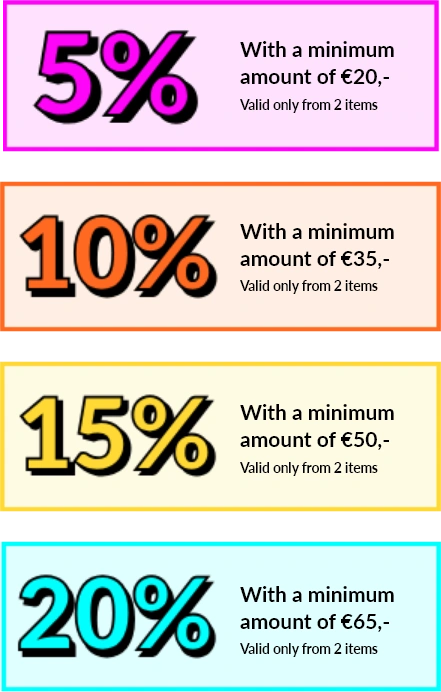
With us, you’ll find a carefully selected assortment of 3D puzzles for all levels and interests. We offer same-day shipping until 11:30 PM, automatic discounts on multiple items, and comprehensive product information to help you make the perfect choice. Our expertise in puzzle products ensures you’ll always find a gift that is both challenging and satisfying for the recipient.
Frequently Asked Questions
How long does it take on average to complete a 3D puzzle?
Building time varies greatly depending on complexity and your experience. Beginners can expect 2-4 hours for simple puzzles of 50-100 pieces, while advanced puzzlers need 8-15 hours for complex models of 200+ components. Work in sessions of 1-2 hours to prevent fatigue and optimally enjoy the process.
What do I do if a component of my 3D puzzle is damaged or missing?
First check carefully whether the component isn't stuck between other pieces or left behind in the packaging. If it's truly missing or damaged, contact the seller or manufacturer within 14 days of purchase. Most reputable brands offer free replacement of defective components.
Can I take apart a 3D puzzle and remake it?
Yes, most wooden 3D puzzles can be carefully taken apart and remade. Be careful when dismantling to avoid damaging the components. Store all pieces in the original packaging and follow the instructions in reverse order to prevent damage.
Are 3D puzzles suitable for children under 8 years old?
This depends on the specific puzzle and the child. Some simple 3D puzzles are suitable for children from 6 years old with adult supervision. Always check the age recommendation on the packaging and consider the child's fine motor skills and attention span. Start with simple models of maximum 30-50 components.
How do I best store my completed 3D puzzle?
Place your completed puzzle on a stable surface away from direct sunlight to prevent discoloration. Dust regularly with a soft brush or cloth. For valuable or fragile models, you might consider placing them under a glass dome. Avoid humid spaces to prevent warping of wooden components.
What are the best tips for beginners making their first 3D puzzle?
Start by sorting all components and read the instructions completely before beginning. Work in a well-lit place with sufficient space and never force components - they should fit together effortlessly. Take breaks when you get frustrated and ask for help if you get stuck. Always start with the base or frame of the model.
Can I personalize or decorate my 3D puzzle after completion?
Absolutely! Many people decorate their completed wooden 3D puzzles with acrylic paint, stain, or varnish for a personal touch. Make sure you use suitable material for the type of wood and test first on an invisible part. You can also add LED lighting to building models for a spectacular effect.
Table of contents
Much viewed
More blogs