
-
 Dave Vinke
- Leestijd: 5 min
- Laatst geüpdatet: 05/01/2026

Yes, puzzles can actually improve your memory by stimulating various brain regions and forming new neural connections. Regular puzzling activates working memory, improves concentration and strengthens cognitive functions. Both adult puzzles and children’s puzzles offer unique benefits for different aspects of memory and brain function.
What happens in your brain when you solve puzzles?
During puzzling, multiple brain regions are simultaneously activated, including the prefrontal cortex for problem-solving and the parietal lobe for spatial insight. Your brain releases dopamine with each small victory, which strengthens motivation and focus. At the same time, new neural connections form that improve communication between brain cells.
The prefrontal cortex, responsible for executive functions such as planning and decision-making, is intensively stimulated during puzzle activities. This brain region works together with the hippocampus, your brain’s memory center, to store and process information. With more complex puzzles, such as a wooden puzzle, visual-spatial processing in the parietal lobe is also activated.
The dopamine system plays a crucial role in puzzling. Every time you place a puzzle piece in the right spot or recognize a pattern, you get a small dopamine boost. This natural reward system keeps you motivated and strengthens the learning processes in your brain. Through this repeated stimulation, not only does your problem-solving ability improve, but also your overall cognitive flexibility.
What types of memory are improved by puzzle games?
Puzzle games primarily improve working memory, which temporarily holds information during mental tasks. Short-term memory is also strengthened by remembering patterns and strategies. Long-term memory benefits from repeated practice of problem-solving skills and storing puzzle techniques.
Working memory is most directly stimulated during puzzle activities. This type of memory helps you keep different puzzle pieces, colors and shapes in mind simultaneously while searching for the right combinations. With Rubik’s cubes, for example, you must plan several moves ahead and remember the current state of the cube.
Short-term memory is strengthened by having to remember patterns and strategies you’ve just discovered. In sudoku puzzles, for example, you remember which numbers have already been used in a row or column. You need to hold this information for several minutes to puzzle effectively.
Long-term memory benefits from building a library of puzzle strategies and techniques. As you gain more experience, you store successful approaches that you can apply to future puzzles. This creates a positive cycle where puzzling becomes increasingly efficient.
How often should you puzzle to actually experience memory benefits?
For noticeable memory benefits, it’s recommended to puzzle for at least 15 to 30 minutes per day, three to five times per week. Consistency is more important than long sessions. Neuroplasticity, the brain’s ability to adapt, responds best to regular, repeated stimulation over a period of several weeks to months.
Research on cognitive training shows that the brain needs about four to six weeks to strengthen new neural pathways. This means that after a month of regular puzzling, you can expect the first improvements in memory and concentration. The key lies in regularity: 20 minutes daily is more effective than puzzling for two hours once a week.
The intensity of your puzzle sessions may gradually increase. Start with simpler puzzles and slowly work toward more complex challenges. This prevents frustration and keeps you motivated. For children, shorter sessions of 10 to 15 minutes are ideal, while adults can benefit from longer periods of concentrated puzzling.
Variety in puzzle types is also important for optimal brain development. Alternate between different types of puzzles to stimulate diverse cognitive functions. This ensures more complete training of your memory and other mental skills.
Which puzzle types are most effective for memory training?
Rubik’s cubes and other mechanical puzzles are particularly effective for spatial memory and sequential thinking. Sudoku and number puzzles strengthen logical reasoning and pattern recognition. Crossword puzzles stimulate verbal memory and vocabulary. Wooden brain teasers combine tactile stimulation with problem-solving, which activates multiple senses and strengthens the learning process.
Rubik’s cubes are exceptionally effective for training spatial insight and sequential memory. They require you to plan multiple moves ahead and visualize the consequences of each turn. This type of puzzle particularly improves working memory and planning skills.
Sudoku and logic puzzles excel at strengthening pattern recognition and systematic thinking. They train your brain to organize information and make logical connections. These puzzles are particularly good for improving concentration and persistence.
Crossword puzzles stimulate verbal memory and actively expand your vocabulary. They require you to retrieve information from long-term memory and make new connections between words and concepts. This type of puzzle is especially valuable for maintaining language skills.
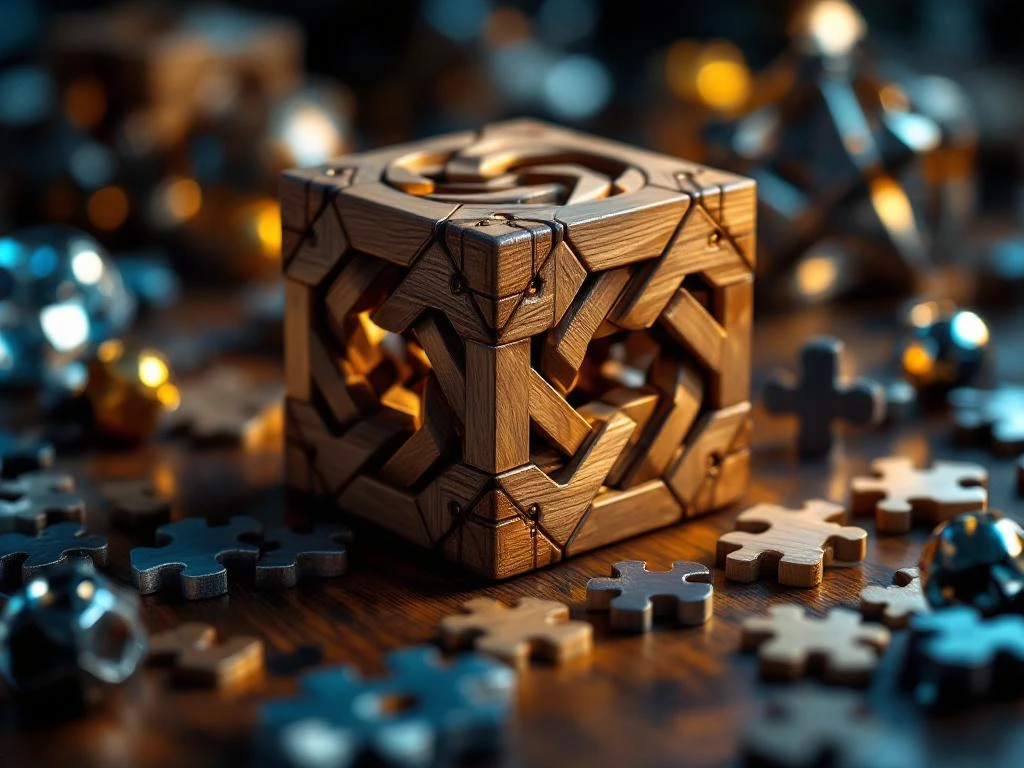
Wooden brain teasers offer unique benefits through the combination of tactile feedback and visual puzzling. The physical manipulation of wooden components activates additional brain regions and strengthens memory formation through multisensory involvement. These puzzles are ideal for people who learn through touch and movement.
By alternating different puzzle types, you train your brain in a complete way. Each puzzle category has its own strengths and contributes to different aspects of cognitive health. The most important thing is that you choose puzzles that challenge you without overwhelming you, so you stay motivated and can practice consistently for optimal memory benefits.
Frequently Asked Questions
How do I know if puzzling is actually improving my memory?
You can notice improvement through increased concentration in daily tasks, faster pattern recognition, and better retention of information. Keep a puzzle diary where you note your progress and difficulty level. After 4-6 weeks of regular puzzling, you'll likely notice that you solve complex puzzles faster and can multitask better.
Can I combine puzzling with other activities for even better results?
Yes, combine puzzling with physical exercise, healthy nutrition and adequate sleep for optimal brain benefits. Listening to music while puzzling can also help, but avoid distracting sounds. Social puzzle activities, such as working on a jigsaw puzzle together, add social cognition to mental training.
What should I do if puzzles become too frustrating?
Temporarily lower the difficulty level and take regular breaks of 5-10 minutes. Frustration blocks learning processes, so choose puzzles that are challenging but achievable. Start with 70% familiar techniques and 30% new challenges. If you get stuck, put the puzzle away and try again later with a fresh perspective.
Are digital puzzle apps as effective as physical puzzles?
Both have advantages: digital apps offer variety and progress tracking, while physical puzzles provide tactile stimulation and less screen time. For optimal memory training, it's best to alternate between both. Physical puzzles activate more senses, but digital apps are more convenient for daily short sessions.
Can I use puzzling to counteract memory decline with aging?
Puzzling can indeed help slow cognitive decline by stimulating neuroplasticity. Start early with a varied puzzle program and maintain it consistently. Research shows that people who remain mentally active throughout life, such as through puzzling, have a lower risk of dementia and cognitive decline.
What common mistakes should I avoid in memory training with puzzles?
Avoid sessions that are too long (more than 60 minutes), constantly repeating the same puzzle types, and giving up at the first difficulties. Ensure sufficient variety, take regular breaks, and gradually increase the difficulty level. Consistency is more important than perfection - daily 15 minutes is better than sporadically puzzling for hours.
Table of contents
Much viewed



More blogs