
-
 Dave Vinke
- Leestijd: 5 min
- Laatst geüpdatet: 05/01/2026

A 3D puzzle begins with choosing a simple variant with 30–60 pieces and a recognizable shape, such as a famous building. Sort the pieces beforehand by color and shape, start with the base or corners and work systematically upward. Take your time and never force pieces. This hobby develops spatial insight and offers the satisfaction of creating a tangible object that you can admire and display.
What is a 3D puzzle and why are they so popular?
A 3D puzzle is a three-dimensional variant of traditional jigsaw puzzles, where you build a physical object instead of a flat picture. These puzzles consist of pre-formed pieces that together form a recognizable shape, such as buildings, vehicles, or animals. The difference from regular puzzles is that you don’t just work horizontally, but also vertically and in depth.
The popularity of 3D puzzles is growing because they offer multiple benefits. They develop spatial insight and three-dimensional thinking in a playful way. Additionally, completing a 3D puzzle gives a unique satisfaction, because you create a real object that you can hold and display. Many people find this hobby relaxing and meditative, while others appreciate the challenge.
Wooden 3D puzzles are particularly popular because they have a natural appearance and are often more durable than cardboard variants. These wooden puzzles feel pleasant and often have a beautiful finish that makes the end result even more attractive.
Which 3D puzzle is best for absolute beginners?
For beginners, 3D puzzles with 30–60 pieces are ideal to start with. Choose a recognizable shape, such as the Eiffel Tower, Big Ben, or a simple animal. These objects have clear structures that are easy to understand and give you confidence while puzzling.
Pay attention to these important factors with your first purchase:
- Number of pieces: Start small and gradually build up to more complex puzzles.
- Material: Sturdy cardboard or wood for a good fit.
- Shape: Symmetrical objects are easier than organic forms.
- Instructions: Clear manual with step-by-step photos.
Popular beginner categories are famous buildings, vehicles, and simple animals. Avoid puzzles with many small details or complex curves in the beginning. A 3D construction kit for model building can also be a good option, as this often contains detailed instructions.
How do you approach your first 3D puzzle strategically?
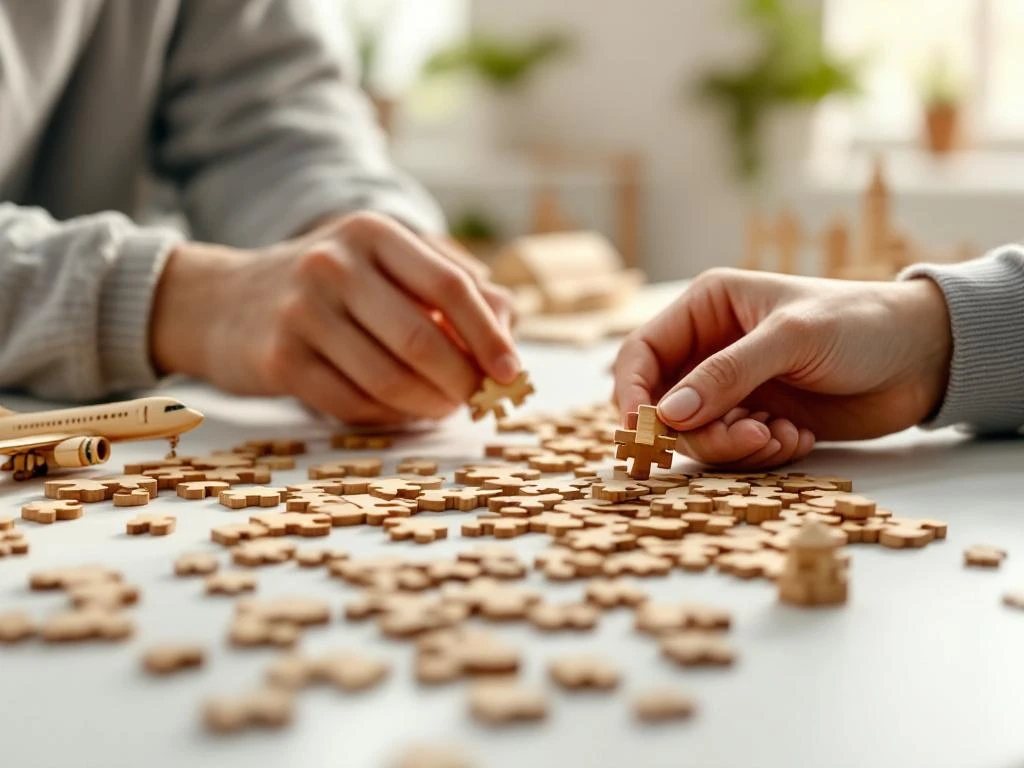
Start with good preparation of your workspace. Ensure sufficient space and good light, and lay out all pieces so you can see them well. Sort the components by color, shape, or size before you start building. This saves a lot of searching time later.
Follow this proven strategy for success:
- Study the instructions thoroughly before you begin.
- Sort all pieces by recognizable characteristics.
- Start with the base or clear corner pieces.
- Work layer by layer systematically upward.
- Test the fit carefully without forcing.
- Take breaks when you become frustrated.
An important tip is to never force pieces. If something doesn’t fit, it’s probably the wrong piece or the wrong position. Patience is essential in 3D puzzling, because haste often leads to mistakes that are difficult to correct later.
What are the most common mistakes in 3D puzzling?
The biggest mistake beginners make is wanting to go too fast and forcing pieces that don’t fit. This can damage components and ultimately makes the puzzle more difficult. Another common mistake is skipping the sorting phase, causing you to constantly search among all pieces.
Other typical pitfalls are:
- Wrong order: Not following instructions and starting randomly.
- Poor workspace: Too little space or poor lighting.
- Impatience: Giving up at the first difficulty.
- No breaks: Continuing too long when you’re tired.
- Losing components: Not paying attention to where small pieces go.
Prevent these problems by starting calmly, setting up your workspace well, and giving yourself time. 3D puzzling is a hobby that requires patience, but offers much satisfaction when you find the right pace. Always keep loose components in a container to prevent loss.
Where can you find the best 3D puzzles for your hobby?
Quality 3D puzzles can be found at specialized puzzle shops that understand the product and offer good customer service. When choosing, look for sturdy materials, clear instructions, and good reviews from other puzzlers. Always compare prices and read experiences before buying.
Important quality characteristics to look for:
- Material thickness: Sturdy cardboard or high-quality wood.
- Fit: Pieces that click together well.
- Finish: Clean cut edges and clear colors.
- Instructions: Clear manual with visual support.
- Brand: Well-known manufacturers with a good reputation.
We offer an extensive collection of 3D puzzles for all levels, from simple beginner variants to complex challenges for advanced puzzlers. Our selection includes both classic cardboard puzzles and high-quality wooden 3D puzzles, so you can always find something that matches your level and interests.
The most important thing when choosing your next 3D puzzle is that you choose something that appeals to you and challenges you without being overwhelming. Start small, develop your skills gradually, and enjoy the process of creating beautiful three-dimensional artworks that you can proudly display.
Frequently Asked Questions
How long does it take to complete a 3D puzzle of 50 pieces?
For beginners, a 50-piece 3D puzzle takes an average of 2-4 hours, depending on the complexity and your experience. Take your time especially and plan multiple sessions instead of wanting to finish everything at once. It's better to puzzle with a fresh perspective than to continue frustrated.
What do you do if you lose a piece while puzzling?
First check your workspace thoroughly, including the floor around your table. Also look in the original packaging, as sometimes pieces remain stuck in cardboard punch-outs. If the piece is really gone, contact the manufacturer - many brands send free replacement parts.
Can children also make 3D puzzles, and from what age?
Children from 8-10 years old can start with simple 3D puzzles of 20-30 pieces under supervision. Choose puzzles with large, sturdy components and clear colors. It develops their spatial insight and concentration, but ensure sufficient support during frustrating moments.
How do you best store a completed 3D puzzle?
Place your completed puzzle in a stable location out of direct sunlight to prevent discoloration. For valuable puzzles, you can use special puzzle glue to permanently connect the components. Dust regularly with a soft brush and avoid humid spaces that can damage the material.
Is it normal that some pieces fit tightly?
Yes, quality 3D puzzles often have a tight fit for stability. If a piece fits tightly but is in the right place, press gently until it clicks. Never force however - if there's much resistance, check whether you have the right piece in the right position.
What tools or aids make 3D puzzling easier?
A good work mat prevents pieces from sliding away, and a desk lamp provides optimal light. Small containers help with sorting components. For advanced puzzlers, a magnifying glass can be handy for very small details, and puzzle glue is useful if you want to make the end result permanent.
What do you do if the 3D puzzle collapses during building?
Don't panic - this happens even to experienced puzzlers. Calmly rebuild from the last stable point and check that all underlying layers are properly secured. Often a puzzle falls apart because earlier pieces weren't fully clicked in. Use this as learning moments for better stability.
Table of contents
Much viewed
More blogs