
-
 Dave Vinke
- Leestijd: 5 min
- Laatst geüpdatet: 04/01/2026

Improving your speed at brain teasers requires a combination of mental training, physical finger dexterity, and strategic practice. The key elements are pattern recognition, memory training, systematic approaches, and regular practice with the right puzzles. By developing targeted practice routines and mental techniques, you can significantly increase your puzzle-solving speed.
What are the key factors that influence your speed at brain teasers?
The speed at which you solve brain teasers depends on five core factors: pattern recognition, finger dexterity, working memory, concentration, and problem-solving thinking. These elements work together as an integrated system, where improving one aspect enhances overall performance.
Pattern recognition forms the foundation of fast puzzle solving. When you have solved many puzzles, your brain automatically begins to recognize recurring structures and solution paths. This reduces the time needed to determine a strategy and allows you to intuitively choose the right direction.
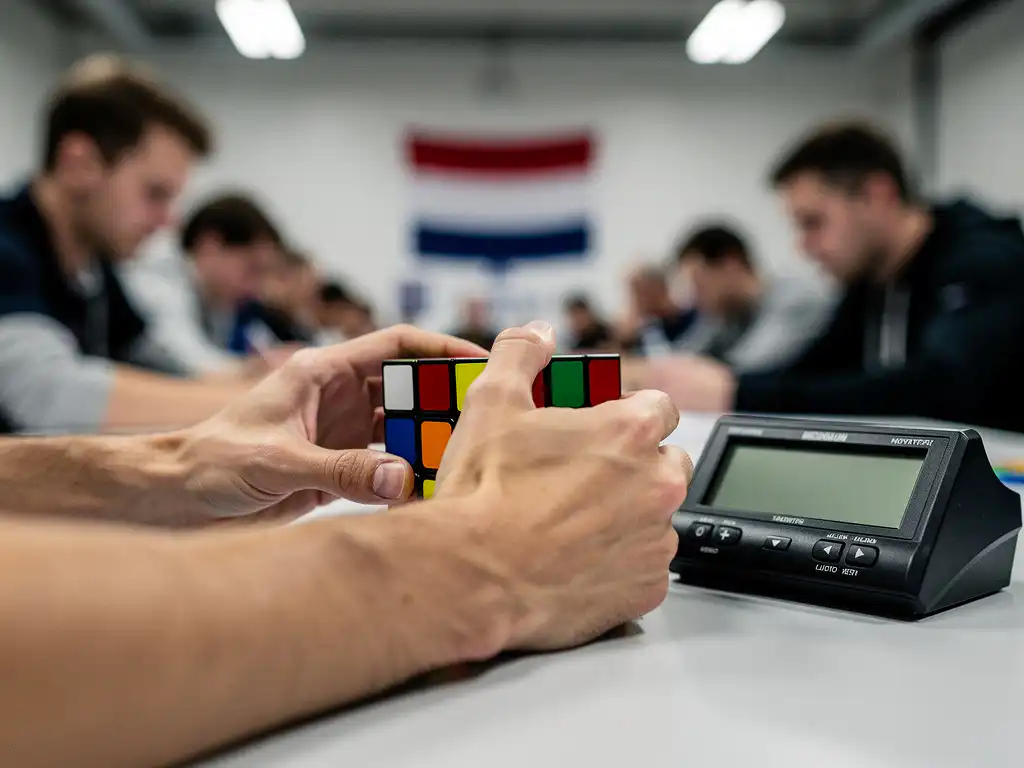
Finger dexterity and motor skills determine how quickly you can execute your mental solutions. Smooth, controlled movements prevent unnecessary pauses and errors during the manipulation of puzzle elements. This requires muscle memory that develops through repeated practice.
Your working memory keeps multiple pieces of information active while you puzzle. A stronger working memory allows you to hold more complex solution sequences and consider different strategies simultaneously. Concentration ensures that your focus is maintained and you are not distracted by external factors.
How do you develop effective practice routines for faster puzzle solving?
Effective practice routines begin with a 5-10 minute warm-up with simple puzzles, followed by targeted practice on specific techniques and concluding with timed sessions. Progressive difficulty increase and systematic progress tracking ensure continuous improvement without overload.
Start each practice session with familiar puzzles that you can easily solve. This activates your pattern recognition and gets your fingers in the right position. Use this time to regulate your breathing and focus your attention on the task.
Divide your main practice time into 15-20 minute blocks with different goals. For example, spend one block perfecting specific algorithms, another on recognizing new patterns, and a third on speed training. Alternate between different puzzle types to develop your skills broadly.
Keep a log of your times, strategies used, and difficulties you encounter. This helps you identify weak points and measure your progress objectively. Plan rest periods between intensive sessions to give your brain time to process and consolidate information.
What mental strategies help with solving brain teasers faster?
Mental strategies such as chunking (grouping information), visualization, and systematic approaches significantly accelerate puzzle solving. Chunking helps break down complex puzzles into manageable parts, while visualization allows you to think ahead without making physical movements.
Chunking means dividing a large puzzle into smaller, recognizable components. Instead of looking at the entire puzzle at once, you focus on specific sections or patterns that you can solve with known techniques. This reduces cognitive load and makes complex problems manageable.
Visualization allows you to plan multiple steps ahead without physically moving the puzzle. Train yourself to mentally walk through solution sequences and imagine the results. You develop this skill by consciously pausing at each move and visualizing its consequences.
Develop systematic approaches for different puzzle types. Create mental checklists of steps that you always go through in the same order. This prevents you from overlooking important aspects and ensures consistent performance under pressure.
What are the most common mistakes that slow down your speed at brain teasers?
The biggest speed-limiting mistakes are rushing without strategy, lack of systematic approach, poor posture, and insufficient preparation. Rushing paradoxically leads to slower times because mistakes require correction and disrupt momentum.
Many puzzlers start moving immediately without having a clear strategy. This leads to half-completed solution routes, unnecessary movements, and frustration. Always take a moment to analyze the puzzle and make a general plan before you begin.
Inconsistent approaches mean you have to think anew about basic techniques each time. Develop fixed routines for common situations and practice these until they become automatic. This saves mental energy for more complex aspects of the puzzle.
Wrong posture and uncomfortable hand positions lead to tension, fatigue, and reduced precision. Ensure a comfortable sitting position, good lighting, and a stable surface. Take regular breaks to prevent muscle tension and maintain your concentration.
How do you choose the right brain teasers to progressively develop your skills?
Choose brain teasers that are just above your current level to create optimal challenge without frustration. Start with classic puzzles like 3×3 cubes, work up to more complex variants, and add specialized puzzles as your skills grow. Progressive development requires variation in difficulty and puzzle type.
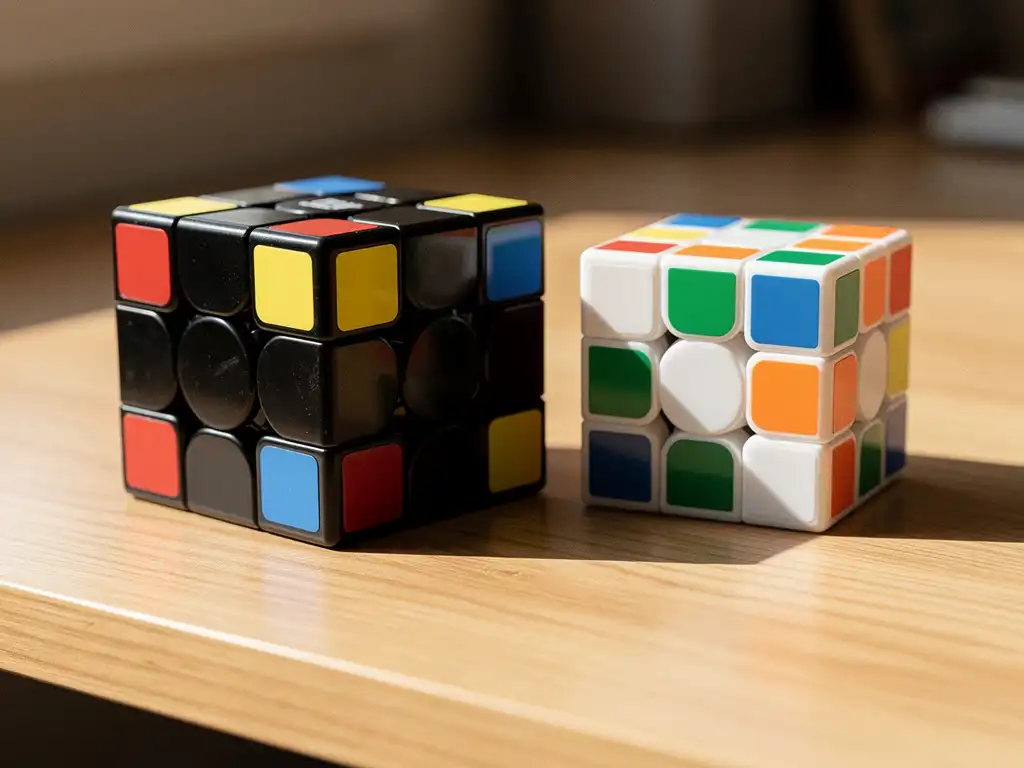
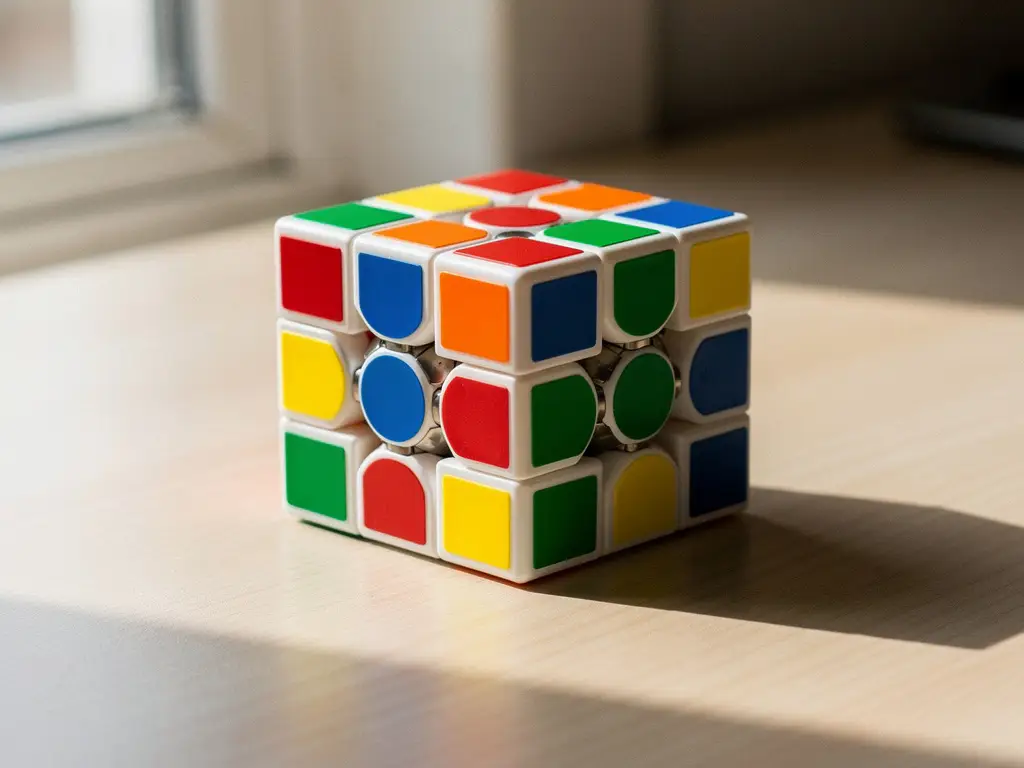
For beginners, traditional Rubik’s Cubes are ideal for learning basic principles of pattern recognition and algorithms. These puzzles have extensive learning materials available and form the foundation for more advanced techniques. Master one puzzle type completely before moving on to more complex variants.
Intermediate puzzlers can expand their skills with 4×4 and 5×5 cubes, pyraminx puzzles, and other geometric shapes. These puzzles introduce new concepts while building on familiar techniques. Alternate between speed training on known puzzles and learning new types.
Advanced puzzlers can focus on specialized brain teasers that offer unique challenges. Consider megaminx puzzles for complex pattern recognition, Square-1 for shape-shifting challenges, or blindfolded cubing for extreme memory training. Choose puzzles that develop specific skills you want to improve.
The right progression combines challenge with achievable goals. Vary between familiar puzzles for speed development and new challenges for expanding your skills. By systematically building up your difficulty level and exploring different puzzle types, you develop a broad foundation of skills that benefits your overall puzzle speed.
Frequently Asked Questions
How long does it take before I see a noticeable improvement in my puzzle speed?
With daily practice of 30-45 minutes, you can expect a noticeable improvement within 2-4 weeks. The first improvements are usually seen in pattern recognition and finger dexterity. For significant speed gains, you should count on 2-3 months of consistent training, depending on your starting level and practice intensity.
What should I do if I get stuck during a puzzle and panic?
Stop moving immediately and take three deep breaths to lower your heart rate. Put the puzzle down and systematically analyze where you are in your solution process. Return to the last point where you were certain of your strategy and work from there. Panic always leads to mistakes and slower times.
Is it better to focus on one type of brain teaser or practice multiple types at once?
Start by completely mastering one puzzle type before expanding to others. For beginners, this is usually the 3x3 Rubik's Cube. Once you consistently score under 60 seconds, you can gradually add other puzzle types. Alternating between different puzzles keeps your training interesting and develops broad skills.
How can I specifically improve my finger dexterity without a puzzle in my hands?
Practice finger exercises like piano players do: tap your fingers on a table in different patterns and tempos. Use a stress ball or fidget toys to develop your grip strength and finger fluidity. Visualize algorithms and make the corresponding hand movements in the air to build muscle memory.
What role do nutrition and sleep play in improving my puzzle performance?
Good sleep (7-9 hours) is crucial for memory consolidation and concentration. Eat light meals before practice sessions to have energy without drowsiness. Stay hydrated and avoid too much caffeine, which can lead to shaky hands. Omega-3 fatty acids and antioxidants support brain function and focus ability.
How do I deal with performance anxiety during competitions or timed sessions?
Practice regularly under time pressure to simulate competition conditions. Develop pre-solve routines like deep breathing and positive self-talk. Focus on your process rather than the end result. Start with local competitions or online contests to gain experience in a less intimidating environment.
What are the best apps or tools to track my progress?
Use timer apps like ChaoTimer or CubeDesk for accurate timing and statistics. Keep a physical log for strategies and observations that apps don't capture. Film yourself regularly to identify technical errors. Online platforms like SpeedCubing.org offer community features and comparison with other puzzlers.
Table of contents
Much viewed
More blogs