
-
 Dave Vinke
- Leestijd: 5 min
- Laatst geüpdatet: 04/01/2026

A good brain teaser costs on average between $15 and $40, depending on the material, complexity, and brand. Simple plastic puzzles start around $5, while high-quality wooden or magnetic brain teasers can cost up to $100. The price is mainly determined by the type of material, production quality, and special features.
What actually determines the price of a brain teaser?
The price of brain teasers is primarily determined by the material, the complexity of the mechanism, and the production process. The type of material plays the biggest role: plastic puzzles are the cheapest, followed by wooden variants, while metal brain teasers are usually the most expensive due to the precision engineering required for them.
The brand and reputation of the manufacturer significantly influence the price. Well-known brands like Hanayama, Cast, or WitEden charge higher prices because they invest in research, development, and quality control. These brands have built up their expertise over years and are known for their reliable mechanisms.
Production quantities also determine the cost price. Mass production of simple plastic brain teasers keeps costs low, while limited editions of complex puzzles are more expensive. Special features like magnetic elements, LED lighting, or unique coatings increase production costs and thus the selling price.
The complexity of the internal mechanism also plays a role. Brain teasers with more moving parts, tighter tolerances, or patented mechanisms cost more to produce. This explains why a simple rotating cube is cheaper than a multi-layer puzzle with different locking systems.
How much should you spend at minimum for a decent brain teaser?
For a decent brain teaser, you should spend at least $15. In this price range, you’ll find quality plastic puzzles and simple wooden brain teasers that will last for years. Entry-level models between $5 and $15 are suitable for children or as an introduction, but often have less durable materials.
The mid-range segment from $15 to $40 offers the best price-quality ratio. Here you’ll find high-quality wooden puzzles, magnetic brain teasers, and more complex mechanisms from renowned brands. These puzzles have better finishing, smoother movements, and last longer with intensive use.
In the $5-15 category, you usually get simple plastic constructions that are suitable for occasional use. The mechanisms may feel somewhat stiff and the materials are less durable, but for beginners or as gifts, they are perfectly suitable.
Above $40, you enter the premium segment with exclusive materials, patented mechanisms, and limited editions. These brain teasers are mainly interesting for serious collectors or people looking for the ultimate puzzle experience.
What is the difference between cheap and expensive brain teasers?
The biggest difference lies in the material strength and precision of the construction. Cheap brain teasers often have looser tolerances, which can cause parts to rattle or jam. Expensive variants have precisely manufactured parts that fit together perfectly and move smoothly.
The rotation mechanism differs significantly in quality. Budget brain teasers can turn stiffly, especially over time, while premium puzzles often maintain their smooth movement for years. This is due to better bearings, more accurate machining, and high-quality lubricants during production.
The lifespan shows the clearest difference. Cheap plastic brain teasers can crack or wear out with intensive use, while quality puzzles can withstand thousands of rotations. Premium materials like anodized aluminum or hardened wood maintain their appearance even after years of use.
The user experience is noticeably better with expensive brain teasers. They feel sturdier, have a pleasant texture, and often produce a satisfying sound when moving. Cheap variants can squeak, creak, or give a cheap feeling that diminishes the puzzle experience.
Which brain teasers offer the best price-quality ratio?
For beginners, wooden brain teasers between $15 and $25 offer the best price-quality ratio. Brands like Professor Puzzle and Recent Toys deliver reliable quality without premium prices. Magnetic puzzles in this price range combine innovation with accessibility and remain interesting for a long time.
Experienced puzzlers can best invest in the $25 to $40 segment, where you get premium materials without collector surcharges. Cast puzzles from Hanayama are excellent examples here: high-quality metal constructions with well-thought-out mechanisms.
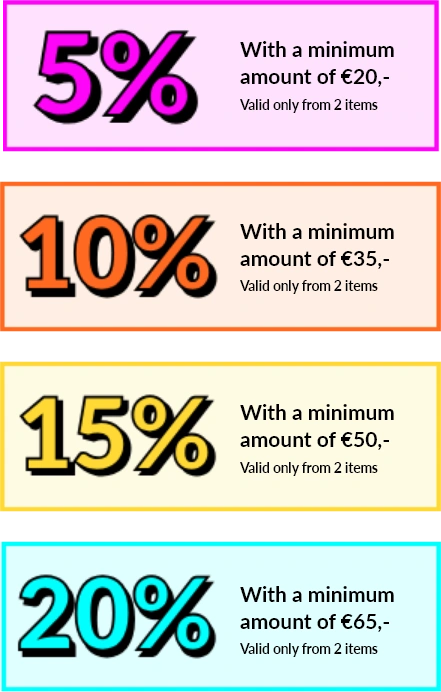
For finding the best deals, timing is important. Buy outside the holiday seasons, when prices are often lower. Look for bundle packages that combine multiple puzzles at reduced rates. Always compare shipping costs, as they can significantly affect the total price.
Reliable brands for different budgets are Recent Toys ($10-30), Hanayama Cast ($15-35), and WitEden ($20-50). These manufacturers are known for consistent quality and good customer service. When choosing brain teasers, it’s wise to read reviews and start with a simpler model before investing in more complex, expensive variants.
Frequently Asked Questions
How do I know if a brain teaser is suitable for my level?
Start with a simple puzzle ($15-25) to test your skills. Check the difficulty level on the packaging - most brands use a scale of 1-6 stars. Start with 2-3 stars and work your way up slowly. Read online reviews to see how long it takes others to solve the puzzle.
Where can I best buy brain teasers for the sharpest prices?
Specialized puzzle stores often offer the best price-quality ratio and expert advice. Online platforms usually have a larger selection, but always check shipping costs. Preferably buy outside the high season (November-December) and look for bundle packages for better deals.
Can I upgrade or repair cheap brain teasers?
Yes, many plastic brain teasers can be improved with some silicone spray for smoother movement. Spare parts are sometimes available from the manufacturer. For wooden puzzles, you can sand away small damages and re-varnish. Metal puzzles are usually harder to repair.
How long do brain teasers last on average with regular use?
Quality brain teasers of $20+ last 5-10 years with normal use. Plastic puzzles under $15 may show wear after 1-2 years. Metal Cast puzzles are virtually indestructible. Lifespan mainly depends on the material and how carefully you handle them.
Are expensive brain teasers really that much harder than cheap ones?
Not necessarily - the price mainly determines material and build quality, not the difficulty level. A $50 metal puzzle can be just as difficult as a $15 wooden variant. Always look at the star rating for difficulty, not the price. Expensive puzzles do often offer a better user experience.
What should I do if my brain teaser gets stuck or breaks?
Stop forcing to prevent further damage. Look online for solution guides or videos for your specific model. Use some silicone spray for stiff mechanisms. Contact the seller within the warranty period - most reputable brands offer good customer service.
Is it wise to buy multiple brain teasers at once right away?
For beginners, it's better to try one puzzle first to discover your preferences. Experienced puzzlers can benefit from bundle packages. Buy different difficulty levels and materials for variety, but avoid impulse purchases of expensive puzzles without having tried them first.
Table of contents
Much viewed

More blogs