
-
 Dave Vinke
- Leestijd: 5 min
- Laatst geüpdatet: 05/01/2026

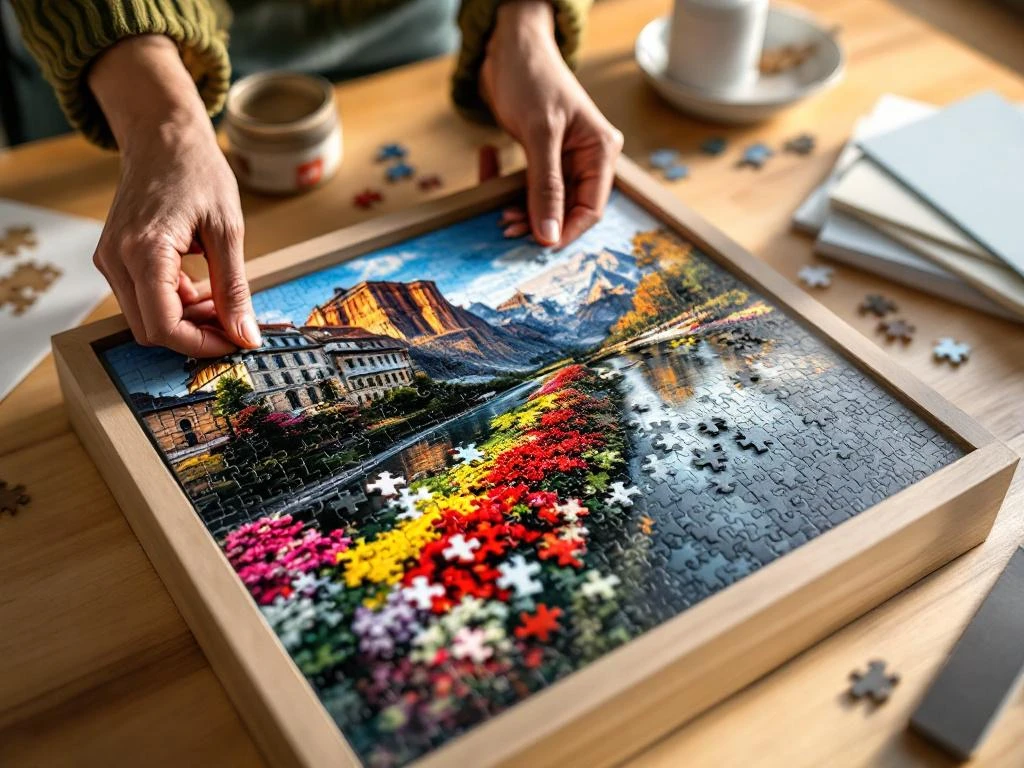
A standard puzzle typically has 500 to 1000 pieces, with 1000 pieces being the most popular format for adult puzzles. Children’s puzzles range from 24 to 300 pieces, depending on age. These numbers have become standard because they offer the right balance between challenge and achievability for most puzzlers.
What is the standard number of pieces in a classic puzzle?
The most common puzzle formats range from 100 to 2000 pieces, but 1000 pieces is considered the gold standard for adult puzzlers. This number provides sufficient challenge without being overwhelming.
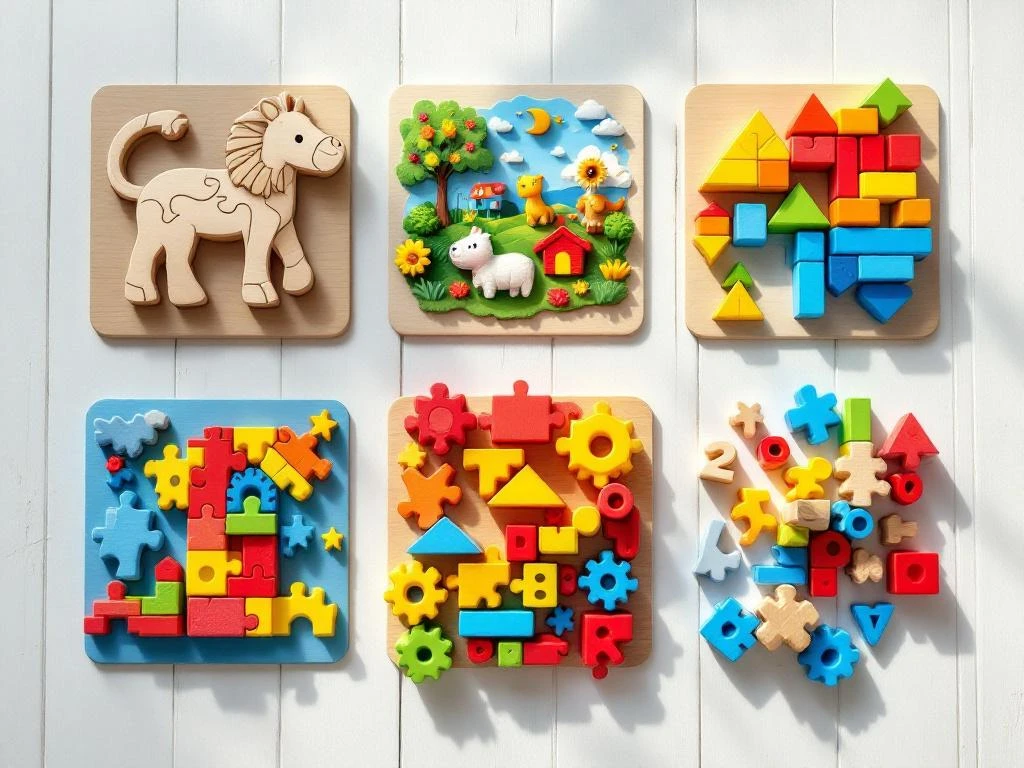
Different standards have been developed for children’s puzzles. Toddlers start with 4-12 pieces, preschoolers work with 24-48 pieces, and school children can handle puzzles of 100-300 pieces. This progression helps children gradually develop their spatial awareness and concentration.
Adult puzzles come in various standard formats:
- 500 pieces – ideal for beginners or a relaxing evening
- 1000 pieces – the most popular choice for regular puzzlers
- 1500 pieces – for advanced puzzlers seeking more challenge
- 2000 pieces – for true puzzle enthusiasts with plenty of patience
These numbers have become standard because puzzle manufacturers have discovered they align with the average attention span and available time of their target audiences. A 1000-piece puzzle takes an average of 10-15 hours to complete, which is perfect for a week-long project.
How do you determine which number of puzzle pieces is best for you?
Choosing the right number of pieces depends on your experience, available time, and personal preferences. Beginners would be wise to start with 500 pieces, while experienced puzzlers can opt for 1500 pieces or more.
Consider these practical guidelines when making your choice:
Based on experience: If you’re new to puzzling, start with 300-500 pieces. This gives you the chance to learn techniques without becoming frustrated. Experienced puzzlers can go directly to 1000+ pieces.
Available time: Do you only have a few hours per week? Then choose 500 pieces. Can you puzzle daily? Then 1000-1500 pieces is a good choice. For a long-term project, 2000+ pieces are perfect.
Age and motor skills: Children aged 3-5 work best with large pieces (24-48 pieces). School children can handle 100-500 pieces. Adults usually have no problems with standard formats, but seniors sometimes prefer puzzles with larger pieces.
Space and storage: A 1000-piece puzzle needs approximately 50 x 70 cm of space. Larger puzzles require more workspace and storage options if you can’t finish them in one session.
Why do puzzles vary so much in the number of pieces?
Puzzles vary in number of pieces because manufacturers serve different target audiences, each with their own needs and skill levels. This variation has emerged through years of development and market research into what puzzlers value most.
The puzzle industry has adapted to various factors. Educational considerations play a major role in children’s puzzles, where the number of pieces is carefully matched to cognitive developmental stages. For adults, manufacturers focus on different experience levels and time investments.
Market research has shown that puzzlers have different motivations. Some seek relaxation after a busy day and prefer 500-piece puzzles that can be finished in a few sessions. Others view puzzling as a serious hobby and want to spend weeks working on complex puzzles of 3000 pieces or more.
Technical limitations also play a role. Very small pieces become difficult to handle, while pieces that are too large remove the challenge. Manufacturers have discovered there’s an optimal piece size for each total count, resulting in the standard formats we know today.
Cultural differences also influence the popularity of certain formats. In some countries, smaller puzzles are more popular due to limited living space, while other markets prefer large, challenging puzzles.
Which puzzle types have different piece counts than standard jigsaw puzzles?
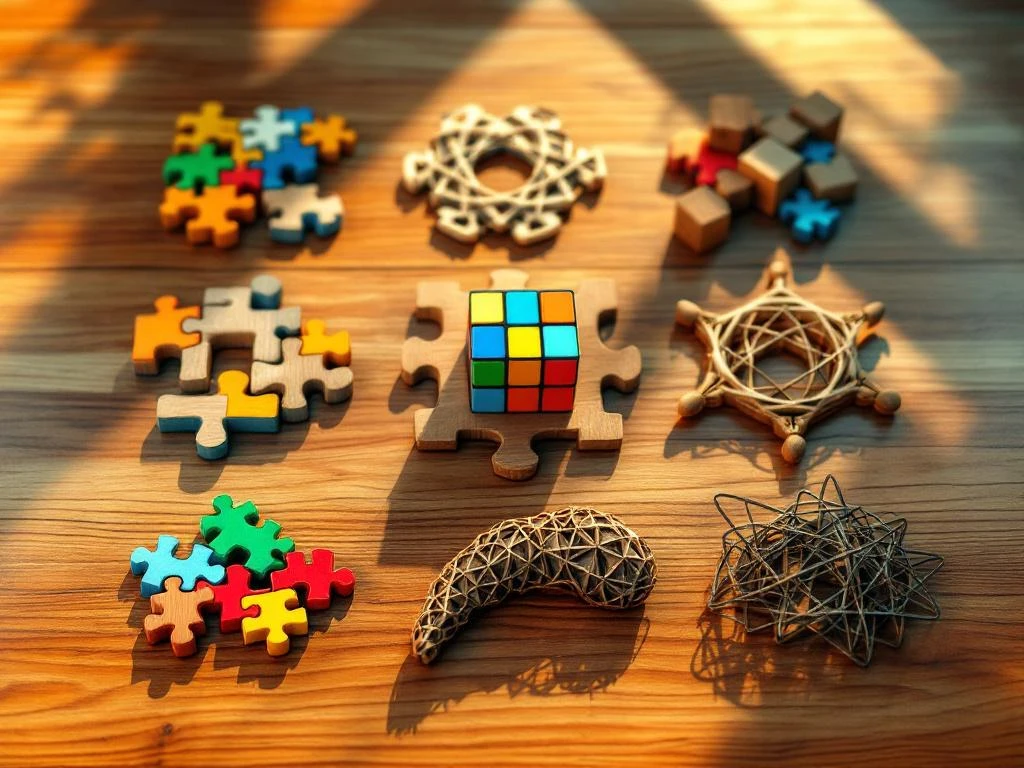
Special puzzle types often have unique piece counts that deviate from standard jigsaw puzzles. 3D puzzles, wooden puzzles, and educational puzzles follow their own logic, based on construction and learning objectives rather than traditional puzzle standards.
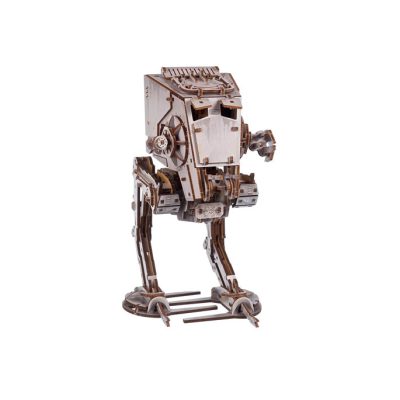
3D puzzles work with completely different numbers because each piece has a specific function in the three-dimensional construction. Famous buildings like the Eiffel Tower or Big Ben often have 150-500 pieces, where each piece fits precisely into the architectural structure.
A wooden puzzle typically has fewer pieces than cardboard variants, often between 50 and 500 pieces. This is because wooden pieces are thicker and heavier, and the focus is on craftsmanship and durability. Wooden puzzles for children often have 12-100 pieces with extra large, grip-friendly shapes.
Educational puzzles for children follow pedagogical principles. Alphabet and number puzzles often have 26 or 10 pieces (one per letter or number). World map puzzles might have 48 pieces (one per country or state), while anatomical puzzles follow the number of organs or bone structures.
Mechanical puzzles and brain teasers have highly variable numbers. Some consist of just 6-12 pieces that must fit together cleverly, while other complex mechanical puzzles can have hundreds of components.
Magnetic puzzles, popular for travel, often have 100-300 pieces. The magnetic element makes smaller formats more practical because pieces don’t fall away during transport.
With us, you’ll find an extensive collection of all these different puzzle types. Whether you’re looking for classic jigsaw puzzles, challenging wooden puzzles, educational children’s puzzles, or unique 3D constructions, we have the perfect challenge for every puzzler and skill level in our assortment.
Choosing the right number of puzzle pieces is a personal decision that depends on your experience, available time, and desired challenge level. Start with a format that suits you and gradually work up to more complex puzzles as your skills grow.
Frequently Asked Questions
How long does it take on average to complete a 1000-piece puzzle?
A 1000-piece puzzle takes an average of 10-15 hours to complete, depending on your experience and the complexity of the design. For beginners, this can extend to 20 hours, while experienced puzzlers can often finish it in 8-12 hours.
What are the best techniques for beginners to puzzle faster?
Always start with the edge pieces and then sort by color and pattern. Use good lighting and a large, flat surface. Focus first on recognizable objects in the design before tackling difficult areas like sky or water.
How do I store an unfinished puzzle without losing pieces?
Use a puzzle mat that you can roll up, or place the puzzle on a large piece of cardboard that you can put away. Some puzzlers use puzzle glue to secure sections, or store loose pieces in small containers sorted by color.
Are there puzzles with more than 2000 pieces and who are they suitable for?
Yes, there are puzzles up to 40,000 pieces or more! These mega-puzzles are suitable for very experienced puzzlers who want to spend months on one project. They require lots of space, patience, and often collaboration with others.
What should I do if pieces are missing from my new puzzle?
First check thoroughly through the packaging and your workspace. Most manufacturers offer free replacement of missing pieces if you contact their customer service, often within a few weeks of purchase.
How do I choose a suitable puzzle design for my skill level?
Beginners should choose designs with clear contrasts, many different colors, and recognizable objects. Avoid single-colored areas like sky or water. Landscapes, animals, and buildings are often more suitable than abstract art for beginners.
Can puzzles help with stress and concentration problems?
Yes, puzzling has proven therapeutic benefits. It helps reduce stress, improves concentration, and stimulates dopamine production. Many people use puzzling as a form of mindfulness and relaxation after a busy day.
Table of contents
Much viewed


More blogs