
-
 Dave Vinke
- Leestijd: 5 min
- Laatst geüpdatet: 05/01/2026

Sorting puzzle pieces is the foundation for an efficient and enjoyable puzzle experience. A good sorting structure saves time, reduces frustration and increases overview during puzzling. By systematically organizing pieces by color, shape or pattern you can find the right components faster and work focused on different parts of the puzzle.
Why is sorting puzzle pieces so important for the puzzle process?
Sorting puzzle pieces significantly increases puzzle speed and prevents unnecessary search time. A good sorting structure ensures that you can immediately see where certain pieces belong and helps you develop a clear strategy for completing the puzzle.
By sorting puzzle pieces in advance, you create visual clusters that make pattern recognition easier. This is especially important with adult puzzles with complex images and many details. Sorting helps your brain make connections between colors and shapes, making the puzzle process more intuitive.
Systematically organizing pieces also reduces mental load during puzzling. Instead of searching through hundreds of random pieces, you can concentrate on specific sections. This makes puzzling more relaxing and increases the chance of success, which is especially important with challenging puzzles of 1000 pieces or more.
Which sorting methods work best for different types of puzzles?
The best sorting method depends on puzzle size and image complexity. For beginners and smaller puzzles, sorting by main colors works best, while experienced puzzlers benefit from more detailed sorting by color gradations and patterns with large puzzles.
For children’s puzzles up to 500 pieces, a simple approach is most effective. Start by separating edge pieces and sort the remaining pieces into three to five main color groups. This keeps it manageable and prevents children from being overwhelmed by too many categories.
With more complex puzzles you can choose from different sorting methods:
- Color sorting: Divide pieces into primary and secondary colors.
- Shape sorting: Group pieces with similar tabs and blanks.
- Pattern sorting: Identify recognizable objects or textures.
- Brightness sorting: Distinguish between light and dark areas.
For wooden puzzle variants different rules often apply due to unique cutting patterns. These puzzles often have irregular shapes that require extra attention to the specific contours of each piece.
How do you organize your workspace optimally for sorting puzzle pieces?
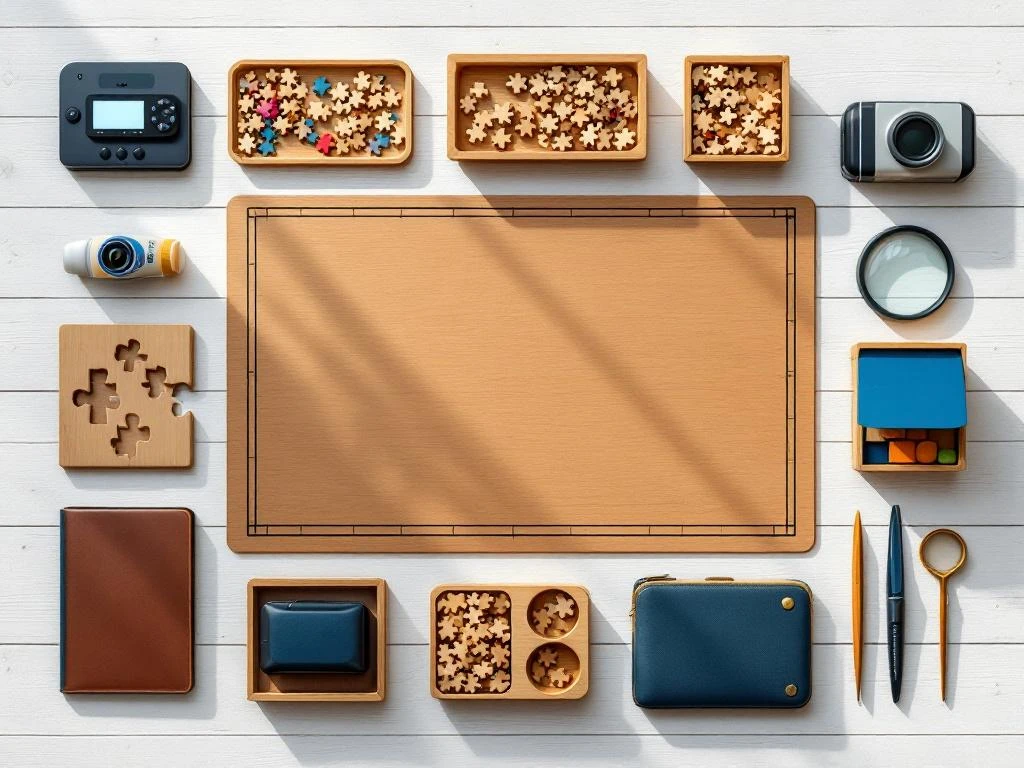
A well-organized workspace has sufficient surface area, good lighting and multiple small containers for different piece categories. Ensure a flat, sturdy surface of at least 80×60 cm and place your sorting containers within reach around your main work area.
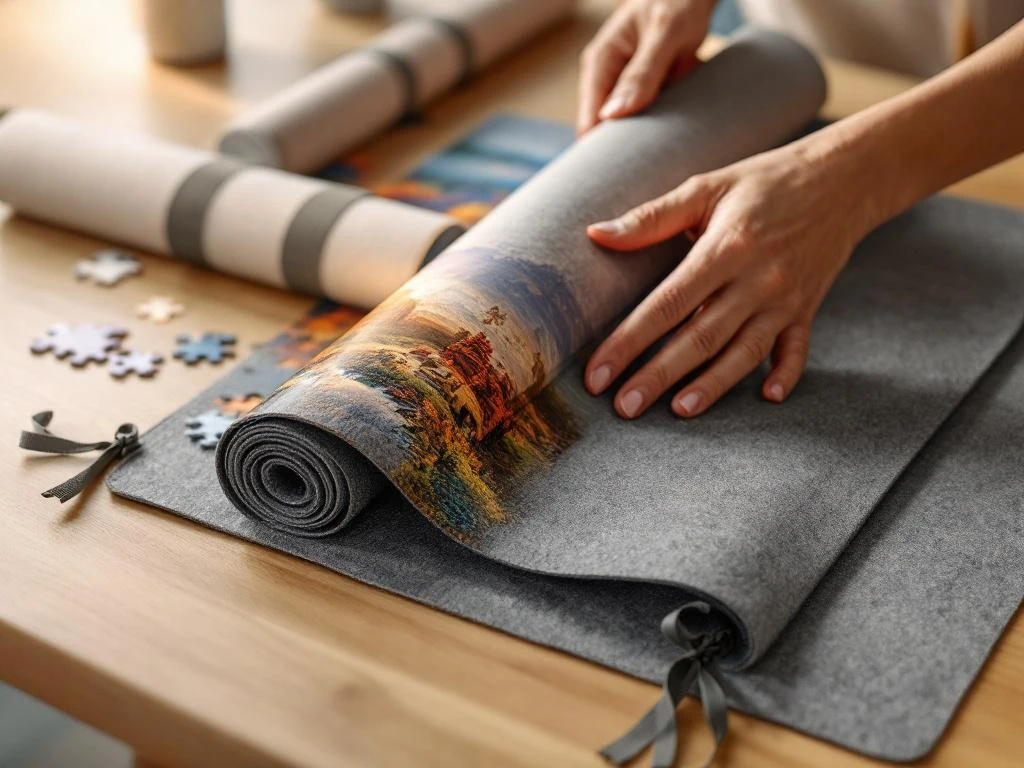
The ideal puzzle workspace consists of different zones. Create a main work area where you actively puzzle, a sorting zone with small containers or bowls, and a storage area for pieces you’ll need later. A puzzle mat can be handy to preserve your progress if you need to use the table for other purposes.
Lighting plays a crucial role in recognizing color nuances and details. Preferably use daylight or a bright LED lamp that doesn’t cast shadows on your work area. Avoid colored lighting that can distort the colors of puzzle pieces.
For ergonomic comfort, proper chair height is important. Your elbows should be able to rest at approximately a 90-degree angle on the work surface. A comfortable working posture prevents fatigue and increases your concentration during long puzzle sessions.
What are the most common mistakes when sorting puzzle pieces?
The biggest mistake is sorting too detailed, spending more time organizing than puzzling. Many puzzlers also make the mistake of trying to sort all pieces at once instead of working in phases as the puzzle progresses.
A common beginner mistake is ignoring edge pieces as a separate category. These pieces are essential for creating a frame and should always be sorted and placed first. The frame gives structure to the rest of the puzzle and helps estimate proportions.
Other common mistakes are:
- Using sorting containers that are too small, causing pieces to overlap.
- Sorting pieces on too specific details instead of general characteristics.
- Not accounting for color transitions and shadows.
- Giving up too quickly when a piece doesn’t immediately fit where expected.
An inefficient workspace layout also leads to frustration. Make sure you don’t constantly have to reach for sorting containers and that you maintain a clear overview of all categories. Reorganize your layout if you notice certain groups becoming too large.
Which tools make sorting puzzle pieces easier?
Sorting containers, puzzle mats and good lighting are the most important tools for efficient puzzling. Small bowls or sorting trays help organize different categories, while a puzzle mat enables you to safely store your progress.
Practical tools that improve the sorting process:
- Sorting trays: Stackable containers with different compartments.
- Puzzle mat: Rollable surface for temporarily storing puzzles.
- Magnifying glass: For viewing small details and textures.
- Rotating platform: To view the puzzle from different angles.
- Storage boxes: For keeping ongoing projects.
For advanced puzzlers, digital tools such as puzzle apps can be useful for analyzing complex images. These apps can help identify color gradations and patterns that are difficult to distinguish with the naked eye.
A well-organized collection starts with quality puzzles suitable for your level and interests. Whether you’re looking for challenging puzzles for adults or educational variants for children, the right tools and techniques make every puzzle project a pleasant experience that further develops your skills.
Frequently Asked Questions
How much time should I spend sorting before I start puzzling?
For a 1000-piece puzzle, 15-20 minutes of sorting is usually sufficient. Start by separating edge pieces and make 4-6 main color groups. You can refine further while puzzling - it's better to start quickly than to sort perfectly.
What do I do if my puzzle pieces don't fit well into the color categories I've made?
This is normal with puzzles that have color transitions. Make a separate 'doubt group' for pieces that fall between categories. Review these pieces again when you've laid more of the puzzle - context often helps determine the right place.
How do I prevent small sorting containers from tipping over or pieces falling out?
Use containers with low edges and a wide surface, or choose sorting trays with compartments. Place them stably on your work surface and avoid stacking. For extra stability you can place anti-slip mats under the containers.
Is it better to sort by shape or by color with very colorful puzzles?
With very colorful puzzles, color sorting is usually more effective because it's visually recognizable faster. Combine this with shape sorting within each color group. Start broad (primary colors) and gradually refine to more specific shades as you progress.
What's the best way to store puzzle pieces during long-term projects?
Use a puzzle mat that you can roll up, or photograph your sorting and store pieces in labeled bags per category. Make sure the workspace stays dry and dust-free. Avoid direct sunlight that can cause colors to fade.
How do I deal with puzzles that have many monochrome areas, like skies or water?
Sort these pieces first by subtle color differences and shadows, then by shape characteristics like tabs and blanks. Use good light to see small color variations and try laying the edges of these areas first for context.
Table of contents
Much viewed

More blogs