
-
 Dave Vinke
- Leestijd: 5 min
- Laatst geüpdatet: 05/01/2026

Yes, puzzles can effectively help reduce stress and anxiety. They stimulate dopamine production and activate the parasympathetic nervous system, which promotes relaxation. Puzzling creates a meditative state that displaces worries and provides a sense of control. This natural stress relief works for both children and adults.
What is the scientific basis behind puzzles as stress relief?
Puzzling activates specific brain regions responsible for relaxation and well-being. When you solve a puzzle, your brain produces dopamine, a neurotransmitter that causes feelings of satisfaction and pleasure. This process stimulates the parasympathetic nervous system, which brings your body into a calmer state.
On a neurological level, puzzling creates a unique combination of mental challenge and relaxation. Your brain switches from the analytical left side to the more creative right side, creating a natural balance. This interaction reduces the production of cortisol, the stress hormone responsible for feelings of tension and restlessness.
The repetitive nature of puzzling has a meditative effect. Just like with mindfulness exercises, your attention focuses completely on the present moment. This directed concentration breaks the cycle of worrying and concerns that often fuel stress and anxiety. Your brain literally gets a break from negative thoughts.
How exactly do puzzles help reduce anxiety and stress?
Puzzles work as a natural form of mindfulness by directing your complete attention to the here and now. This focused attention automatically displaces worries about the past or future, which is the main cause of much anxiety and stress. Your brain cannot simultaneously concentrate on a puzzle and worry about problems.
Solving puzzles provides a sense of control and achievement. Every small progress, such as placing a puzzle piece or solving a brain teaser, provides positive reinforcement. This strengthens your confidence and reduces feelings of helplessness that often accompany stress.
Puzzling also creates a safe challenge. Unlike real-life problems, puzzles always have a solution and the rules are clear. This predictability offers mental peace and a sense of security. You can make mistakes without consequences, which removes the pressure that often causes stress.
The social component of puzzling can also help. Puzzling together with family or friends creates connection and reduces feelings of isolation. This social aspect enhances stress relief through positive interactions and shared achievements.
What types of puzzles work best against stress and anxiety?
Different puzzle types offer unique benefits for stress relief. Rubik’s cubes and speedcubes are excellent for people who enjoy tactile stimulation. Turning and manipulating the blocks has a calming effect, while the mental challenge ensures complete focus. These puzzles for adults are perfect for short relaxation moments.
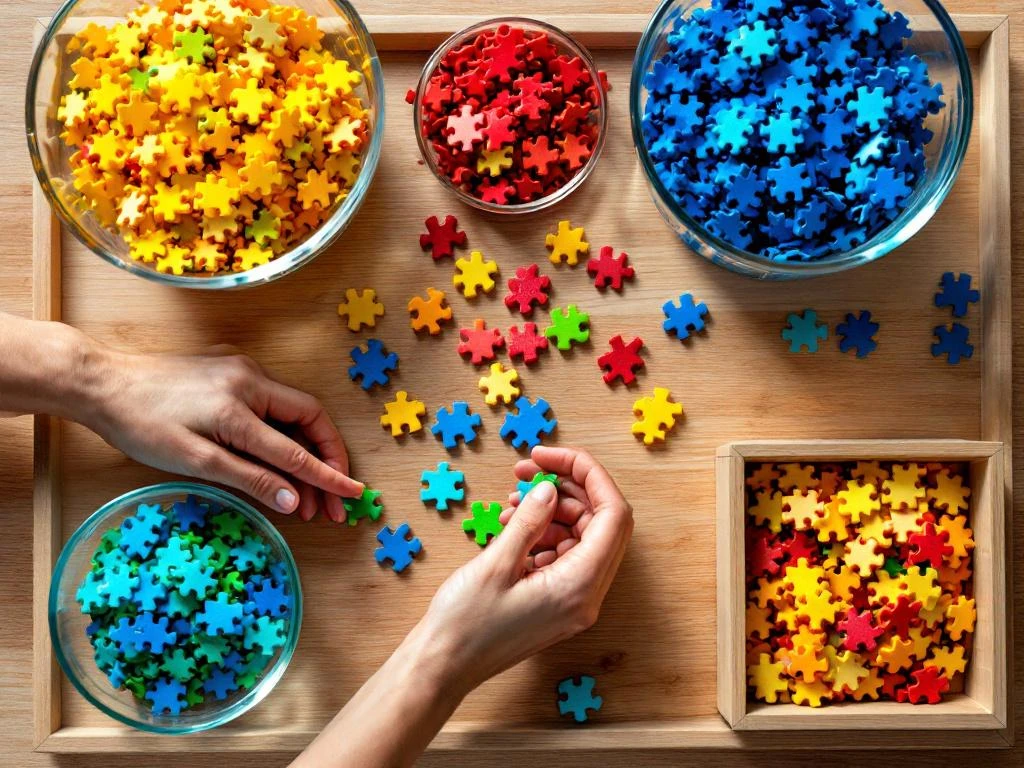
Jigsaw puzzles work particularly well for long-term relaxation. Searching for the right piece and gradually building up an image has a meditative character. These puzzles for children and adults can keep you occupied for hours without becoming boring.
Wooden puzzles, such as tangrams or mechanical brain teasers, offer a natural, tactile experience. The feeling of wood in your hands has a calming effect and the often elegant designs are visually soothing. A wooden puzzle combines mental challenge with sensory relaxation.
Fidget toys and simple manipulative puzzles are ideal for people with anxiety. They can be used discreetly and provide immediate tactile relief. These small puzzles help channel nervous energy.
When choosing the right puzzle, it’s important to consider your own preferences. Start with a difficulty level that is challenging but not frustrating. Puzzles that are too difficult can actually cause stress instead of reducing it. Discover our extensive range of puzzles to find the perfect stress reliever for your situation.
When and how often should you puzzle for optimal stress relief?
For optimal stress relief, regular puzzling is more effective than long, sporadic sessions. Daily sessions of 15-30 minutes deliver the best results. These short but consistent moments help your brain develop a healthy routine and manage stress proactively.
The timing of puzzle sessions can enhance the effect. Puzzling in the morning helps you start the day with a calm, focused mindset. A puzzle session after work can serve as a transition between work stress and relaxation at home. For many people, puzzling before bedtime works excellently to wind down the day.
Listen to your own needs and energy level. On stressful days you can puzzle more frequently and for longer periods, while calmer days might require less intensive sessions. The most important thing is that puzzling remains a pleasurable activity, not an obligation.
Integrate puzzling into your daily routine by scheduling fixed moments. Keep a small puzzle at your desk for short breaks, or place a larger puzzle in a fixed spot at home where you can easily spend a few minutes. This accessibility makes it easier to use puzzling as a natural stress management tool.
Variety in puzzle types prevents boredom and keeps your brain challenged. Alternate between different types of puzzles to address different aspects of relaxation. Some days might call for the tactile stimulation of a Rubik’s cube, while other days are better suited to the quiet focus of a jigsaw puzzle.
Frequently Asked Questions
Can puzzling also be counterproductive and actually cause more stress?
Yes, puzzling can cause stress if you choose a puzzle that's too difficult or put pressure on yourself to achieve quick results. Always start with an appropriate level and see puzzling as relaxation, not performance. Stop if you get frustrated and try again later.
How do I start puzzling if I've never had experience before?
Start with simple puzzles like a 2x2 Rubik's cube or a jigsaw puzzle of 100-300 pieces. Choose a subject that appeals to you and ensure a quiet environment without distractions. Give yourself time to get used to the process without pressure to be fast.
Does puzzling also work for serious anxiety disorders or only for mild stress?
Puzzling can be a valuable supplementary tool for anxiety disorders, but does not replace professional treatment. It helps regulate breathing and provides distraction from anxious thoughts. Always discuss using puzzling with your therapist as part of your treatment plan.
What do I do if I keep worrying while puzzling?
This is normal in the beginning. Try to consciously focus on physical aspects like colors, shapes, or textures of the puzzle pieces. Count your breaths or describe out loud what you're doing. With practice, it becomes easier to let your thoughts rest.
Are digital puzzle apps as effective as physical puzzles?
Physical puzzles are often more effective due to tactile stimulation and the absence of screen lighting. Digital apps can however be convenient on the go or as a supplement. Choose apps without time pressure or competitive elements to avoid stress.
Can children with ADHD or autism also benefit from puzzling?
Yes, puzzling can be very useful for children with ADHD or autism. It helps develop focus, fine motor skills, and self-regulation. Choose puzzles that match their interests and provide support without taking over. Start with short sessions and build up gradually.
How do I know if puzzling actually reduces my stress?
Pay attention to physical signals like slower breathing, relaxed shoulders, and reduced heart rate during puzzling. Keep a short diary where you rate your stress level before and after puzzling on a scale of 1-10. After several weeks you'll see clear patterns.
Table of contents
Much viewed

More blogs