
-
 Dave Vinke
- Leestijd: 5 min
- Laatst geüpdatet: 05/01/2026

Most modern 3D puzzles do not require glue to be successfully assembled. Many 3D building kits use clever click connections, notches, or even magnetic connections, keeping all components firmly in place. This makes the building process not only easier, but also safer and more flexible for puzzlers of all ages.
What are 3D puzzles and how do they actually work?
3D puzzles are three-dimensional building kits that you assemble step by step into a complete model. Unlike traditional jigsaw puzzles, where you connect flat pieces, with 3D puzzles you build upward and create volume and depth.
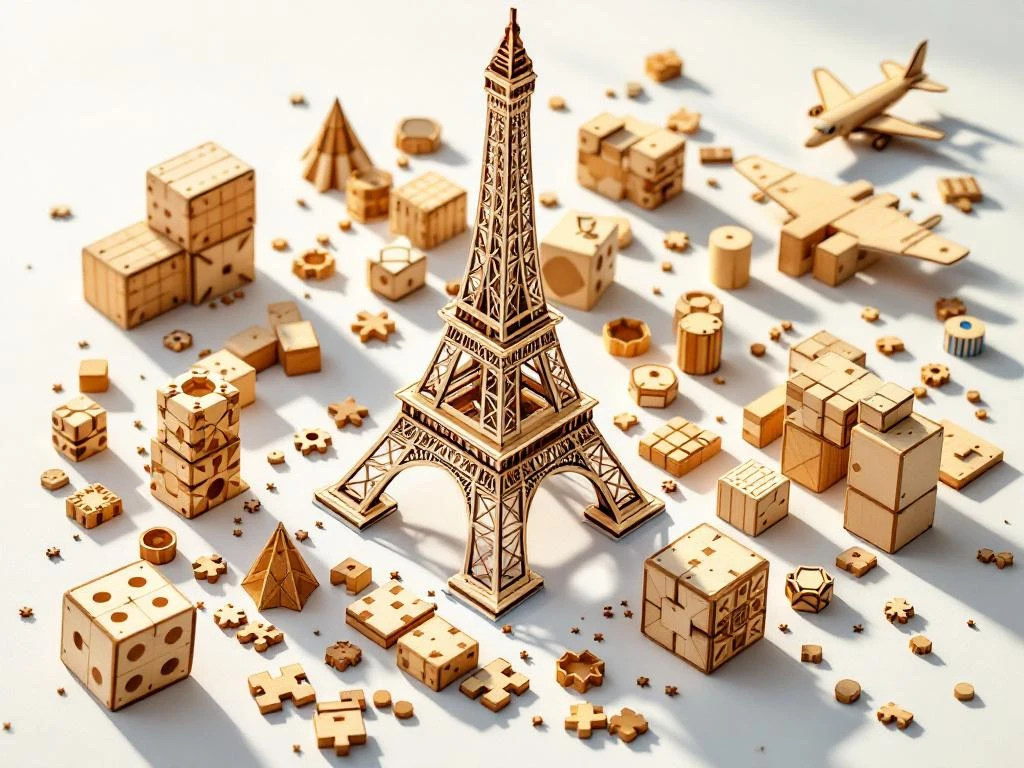
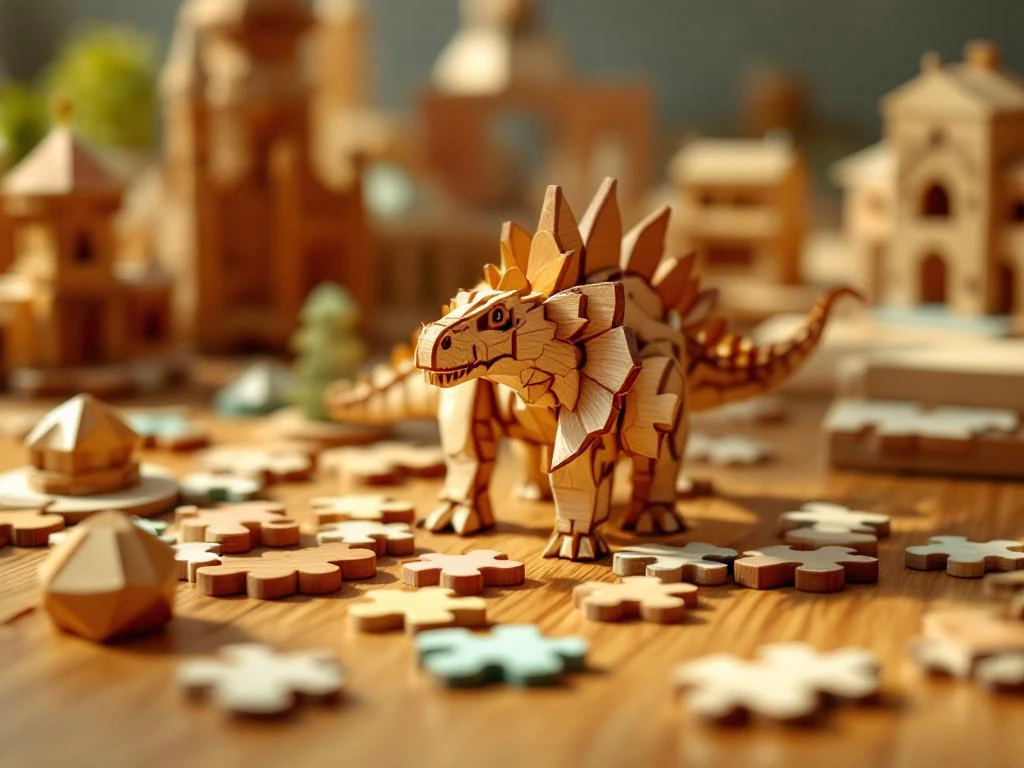
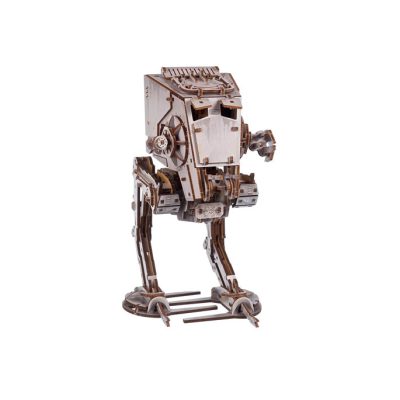
There are different types of 3D puzzles. Wooden 3D puzzles are popular because of their natural appearance and durability. These wooden variants usually have ingenious notches and grooves, allowing the components to fit together perfectly without additional fasteners.
Cardboard 3D puzzles often work with folding techniques and tabs that slide into slots. Plastic 3D building kits usually use click connections that you hear ‘click’ when they lock properly. Some modern puzzles even have magnetic elements that automatically find the correct position.
The building process differs significantly from regular jigsaw puzzles. You usually start with the base or foundation and work layer by layer upward. Each step builds on the previous one, allowing you to gradually see the final result emerge.
Which 3D puzzles need glue and which don’t?
Most quality 3D puzzles are designed to be used without glue. Modern 3D building kits for model making use thoughtful connection systems that make glue unnecessary.
Puzzles that do not need glue:
- Wooden 3D puzzles with notches and grooves
- Plastic building sets with click connections
- Cardboard puzzles with folding and insertion systems
- Magnetic 3D puzzles
- Foam puzzles with fitting connections
Puzzles that may require glue:
- Very cheap cardboard models without good connections
- Old or worn puzzles where connections have become looser
- Some decorative models that are permanently displayed
Self-adhesive 3D puzzles have a special coating on the connection points that activates when you press the components together. This technology eliminates the need for separate glue while still guaranteeing a strong connection.
How do you perfectly assemble a 3D puzzle without glue?
Successfully building a glue-free 3D puzzle requires the right approach and patience. Always start by sorting all components and studying the instructions before you begin building.
Preparation is essential. Lay all components on a large, flat surface and sort them by color, shape, or number, if indicated. Ensure adequate lighting and take time to read through the manual.
Important building steps:
- Check that all components are present according to the parts list.
- Start with the base or foundation, as indicated.
- Press connections firmly until you hear or feel a ‘click’.
- Work systematically according to the numbering sequence.
- Test the stability of each connection before continuing.
Common mistakes you can avoid: never force components that don’t fit easily, don’t turn pieces around if they don’t seem to match, and don’t skip steps in the instructions. If something doesn’t fit, check whether you have the right component and if the orientation is correct.
When problems arise, you can carefully try to remove components and reposition them. Most quality puzzles are designed to withstand multiple assembly and disassembly cycles.
What are the advantages of 3D puzzles without glue?
Glue-free 3D puzzles offer significant practical and educational advantages over traditional building sets that require permanent attachment. This flexibility makes them suitable for a broader range of users and applications.
Reusability is the greatest advantage. You can completely disassemble the puzzle and rebuild it, significantly increasing play value and lifespan. This is especially valuable for children who enjoy experimenting and repeating.
Safety benefits are important for families. Without glue, there are no harmful fumes or chemicals to which children are exposed. There is also no risk of spilling or sticking fingers together.
Practical advantages include:
- Easy storage – puzzles can be stored flat
- Portability – take your puzzle along without risk of breakage
- No drying time – immediate play after completion
- Error correction – wrong steps are easily corrected
- Sharing with others – multiple people can experience the same puzzle
Educationally, glue-free puzzles stimulate problem-solving thinking and spatial insight. Children learn through trial and error without fear of permanent mistakes. This promotes confidence and experimental curiosity.
Where can you find the best 3D puzzles without glue?
Quality 3D puzzles without glue can be found at specialized puzzle shops that focus on high-quality building kits and educational toys. It’s important to choose reliable suppliers known for their product knowledge and customer service.
When selecting a 3D building kit for model making, look for various quality indicators. Good puzzles have clear, colorful instructions with step-by-step photos. The components should fit precisely without being forced and the finish should be smooth and splinter-free.
Reliable brands invest in research and development to create innovative connection systems. They use durable materials and test their products extensively before bringing them to market. Read product reviews and look for puzzles with positive feedback about build quality.
We offer a carefully selected assortment of 3D puzzles from renowned manufacturers. Our team personally tests new products to ensure they meet our quality standards. With fast delivery and extensive product support, we help you find the perfect puzzle experience that matches your level and interests.
The best 3D puzzles combine challenge with fun, offer clear instructions, and use thoughtful connection systems that last for years. By choosing quality brands, you invest in a hobby that is both relaxing and stimulating.
Frequently Asked Questions
How long does it take on average to build a 3D puzzle without glue?
Building time varies greatly depending on complexity and number of components. Simple 3D puzzles can be completed in 30-60 minutes, while more complex models with 100+ components can take 3-6 hours. Always start with simpler puzzles to gain experience before moving on to more challenging models.
What do I do if parts of my 3D puzzle come loose during play?
First check if all components are correctly placed according to the instructions. Press connections firmly again until you hear a click. If components continue to come loose, this may indicate wear or a defect - in that case, contact the supplier for replacement or advice.
Can 3D puzzles without glue get damaged if you take them apart often?
Quality 3D puzzles are designed for repeated use and can be assembled and disassembled dozens of times without damage. Be careful when taking them apart though - don't pull too hard and follow the reverse order of the building steps to prevent breakage.
From what age are 3D puzzles without glue suitable for children?
Most 3D puzzles are suitable from 8-10 years old, depending on complexity. Always check the age recommendation on the packaging. Young children may benefit from parental guidance, especially in understanding 3D instructions and correctly placing components.
How do I best store my completed 3D puzzle?
Completed 3D puzzles are best placed on a stable, flat surface, out of direct sunlight. For long-term storage, you can carefully disassemble the puzzle and store the components in the original packaging. Don't use plastic bags for wooden components due to moisture buildup.
What are common signs that a 3D puzzle is of poor quality?
Poor quality can be recognized by components that don't fit well, rough or sharp edges, unclear instructions, and connections that are too loose or too tight. Cheap materials that break or deform easily are also warning signs. Invest in known brands for a better experience.
Can I create my own design with 3D puzzle components?
Yes, many experienced puzzlers experiment with their own creations by combining components from different sets. Start with simple modifications to existing designs before trying completely original models. Note that components from different brands may not be compatible in terms of connection systems.
Table of contents
Much viewed

More blogs