
-
 Dave Vinke
- Leestijd: 5 min
- Laatst geüpdatet: 15/10/2025

Yes, there are extensive wooden building kits specifically designed for group work and team activities. These projects encourage collaboration, communication and problem-solving skills through their tactile nature and shared challenges. From simple puzzles to complex mechanical models, wooden building kits offer unique opportunities for team bonding and educational experiences.
What are wooden building kits and why are they ideal for group work?
Wooden building kits are educational construction sets made from natural wood that participants assemble step by step into functional models. They combine the benefits of wood as a sustainable, tactile material with the challenge of collaborative problem-solving.
The natural character of wood makes these projects particularly suitable for group activities. The material feels warm, smells pleasant and invites touching and collaboration. Participants can physically share components, search together for matching pieces and support each other’s work in ways that digital activities simply cannot match.
The tactile experience of wooden building kits stimulates multiple senses simultaneously, which increases concentration and sparks natural conversations. Group members must communicate about which component goes where, discuss strategies and make decisions together. This natural interaction creates team building without forced icebreakers.
Moreover, wooden building kits provide a tangible end result that the entire group can take pride in. The collectively completed model becomes a lasting reminder of the collaboration and shared success.
What types of wooden building kits are suitable for team activities?
There are various categories of wooden building kits that are excellent for group work, ranging from simple puzzle constructions to advanced mechanical models. The choice depends on the desired group size and complexity level.
3D puzzles and architectural models are perfect for groups of 4-6 people. Think of famous buildings, bridges or monuments that are assembled from components. Each team member can be responsible for a specific section, while final assembly happens collectively.
Mechanical models such as gear systems, clocks or moving sculptures work well for teams of 6-8 people. These projects require more planning and coordination, as different components must fit together precisely to make the mechanism function.
For larger groups of 8-12 people, modular building systems are ideal. These consist of multiple identical units that together form a larger whole. Subgroups can each build a module, after which everything is combined into an impressive final result.
Vehicle models such as airplanes, ships or trains are suitable for medium-sized teams of 5-7 people. These projects have natural work divisions like hull, wings, wheels and details, giving everyone a clear role.
How do you choose the right wooden building kit for your group?
Selecting the perfect wooden building kit requires attention to various factors: the age and skills of participants, available time, group size and desired challenge level. A good match ensures optimal engagement and sense of achievement.
Start by assessing your group’s skill level. Beginners benefit from kits with larger components, clear instructions and less complex connections. Advanced groups can handle challenging projects with small parts and intricate mechanisms.
Available time largely determines project choice. Simple models can be completed within 2-3 hours, while complex mechanical constructions may require 6-8 hours. Always plan extra time for discussion, breaks and solving challenges.
Pay attention to natural work divisions in the project. The ideal building kit offers enough different tasks so everyone stays actively involved. Avoid projects where one person does most of the work while others watch.
Also consider group dynamics. Competitive teams thrive on challenging projects with time pressure, while more relaxed groups benefit from creative freedom and less structured assignments. The goal is for everyone to feel valued and engaged.
Where can you find quality wooden building kits for group projects?
Quality wooden building kits for group activities can be found at specialized webshops that focus on educational toys and model building. These suppliers understand the specific requirements of group projects and offer suitable products with reliable service.
When searching for the right supplier, look for various quality indicators. Good packaging protects wooden components during transport and ensures all pieces arrive complete. Clear instructions in your language prevent confusion during building and keep group dynamics positive.
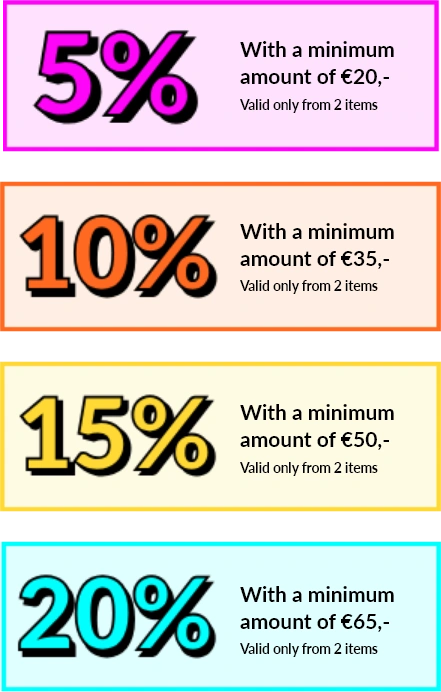
For group purchases, discount arrangements are important. Many specialized webshops offer automatic discounts on multiple items, which is especially useful when organizing team-building activities or educational workshops.
Fast delivery is crucial when planning a group activity. Look for suppliers that offer same-day shipping with clear delivery times. This prevents disappointment and keeps your project on schedule.
Specialized model building webshops often have extensive product knowledge and can advise which projects best suit your group. They understand the differences between recreational and educational applications.
For specific wooden building kit materials, look for suppliers that serve different difficulty levels and group sizes. A broad assortment means you can return to the same reliable supplier for future activities.
Wooden building kits transform group activities from passive gatherings into active, collaborative experiences. By choosing the right project that fits your group and purchasing from a reliable specialist, you create memorable moments that stimulate teamwork and creativity. The tangible end result reminds participants long after of their shared achievement and strengthened bonds.
Frequently Asked Questions
How do you divide tasks fairly within a group when building a wooden building kit?
Start by inventorying all components and identify natural work divisions such as base, walls, roof and details. Let each team member express a preference and rotate tasks halfway through the project so everyone experiences different aspects. Also assign a 'coordinator' who maintains overview and helps with bottlenecks.
What do you do if parts are missing or damaged during a group activity?
Always check all components before the activity begins and keep the packaging for potential claims. For missing pieces, you can often improvise with wooden toothpicks, glue or small screws from the hardware store. Contact the supplier for replacement - most specialized webshops quickly send replacement parts.
How much time should you plan for different group sizes?
For groups of 4-6 people, plan 3-4 hours for medium-sized projects, including breaks. Larger groups (8-12 people) often need more time for coordination, so count on 4-6 hours. Always plan 30% extra time for discussion, problem-solving and taking group photos with the final result.
Can wooden building kits be reused for multiple group activities?
Yes, provided you carefully disassemble the project without damaging the wooden connections. Don't use glue during the first build and store all components organized in the original packaging. Some mechanical models are even specially designed to be built and disassembled multiple times.
How do you handle different skill levels within one group?
Pair experienced builders with beginners and give everyone tasks that match their level - beginners can assemble large components while advanced members focus on detail work. Encourage knowledge sharing and ensure nobody feels left behind by regularly discussing the progress of all subgroups.
What tools and materials do you need extra besides the building kit itself?
Ensure sufficient workspace with good lighting, possibly magnifying glasses for small parts, and sandpaper for smoothing rough edges. Keep spare glue, small files and cloths on hand. For groups, multiple instruction booklets are useful so subteams can work in parallel.
How do you make building a learning experience beyond team building?
Introduce the project with background information about the model (history, function, technique) and ask questions during building about mechanisms and construction principles. Have groups present their approach and solutions to each other and reflect afterwards on what they learned about collaboration and problem-solving.
Table of contents
Much viewed

More blogs