
-
 Dave Vinke
- Leestijd: 5 min
- Laatst geüpdatet: 05/01/2026

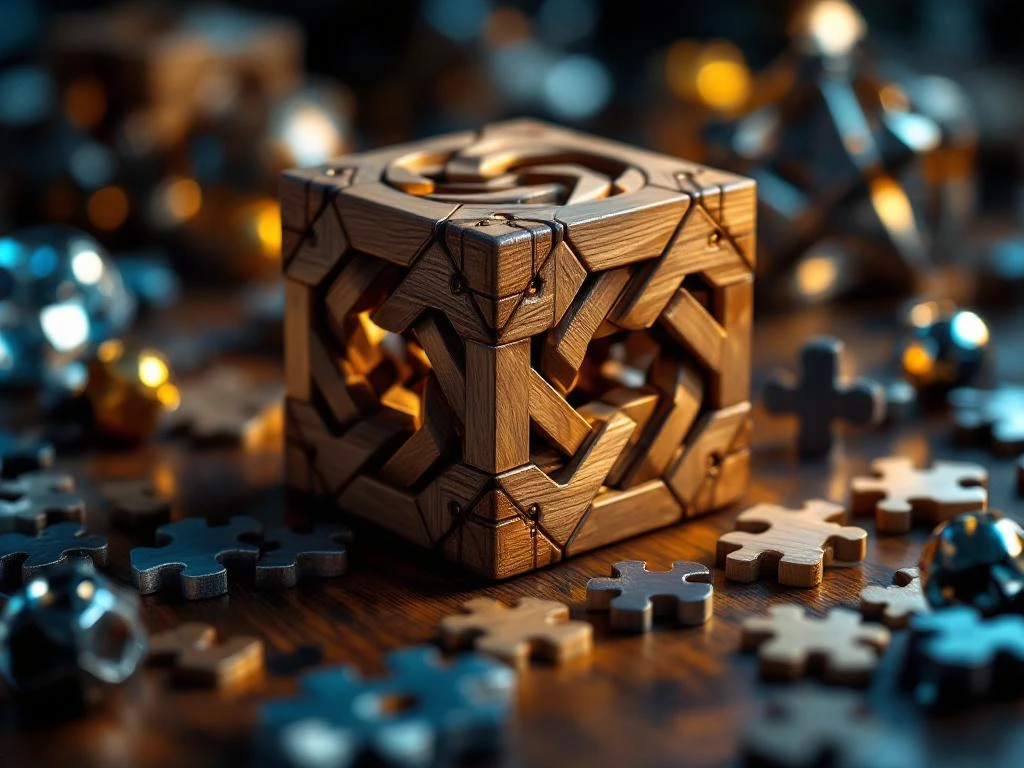
Puzzles are excellently suited for people with dementia and can support cognitive functions, promote emotional well-being, and stimulate social interaction. The right puzzle can help maintain fine motor skills and concentration while providing a sense of achievement. Different puzzle types are available for each stage of dementia, from simple wooden puzzles to interactive brain teasers.
What are the benefits of puzzles for people with dementia?
Puzzles offer multiple therapeutic benefits for people with dementia through cognitive stimulation, emotional support, and social connection. They help maintain mental sharpness and can strengthen self-esteem through the successful completion of tasks.
The cognitive benefits are significant. Puzzles stimulate different brain areas simultaneously, which helps maintain neural connections. Searching for the right pieces improves concentration and attention, while recognizing patterns and colors supports visual-spatial insight. These activities can help slow cognitive decline.
For fine motor skills, puzzles are particularly valuable. Grasping and placing puzzle pieces improves hand-eye coordination and keeps fingers agile. This is especially important because motor skills often deteriorate with dementia.
Emotionally, puzzles provide a sense of satisfaction and control. Completing a puzzle, however simple, creates a success experience that can boost confidence. Puzzles can also evoke memories, especially when they contain familiar images such as landscapes or animals.
Social interaction is promoted when puzzles are made together with family or caregivers. This creates opportunities for conversation and connection, which is essential for emotional well-being.
What types of puzzles are most suitable for different stages of dementia?
For each stage of dementia, there are adapted puzzle types that align with cognitive capacities. Early stages can handle more complex challenges, while later stages require simpler, more sensory puzzles.
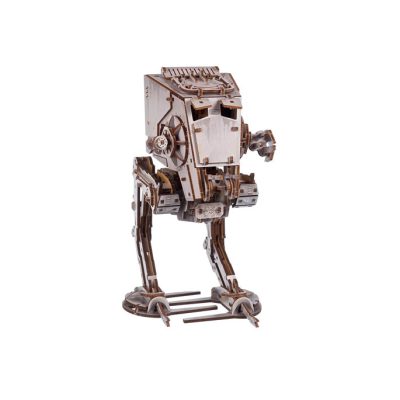
In the early stage of dementia, people can still make relatively complex puzzles. Jigsaw puzzles of 100-300 pieces with clear images work well. Wooden puzzles with larger pieces are also suitable, as are simple brain teasers and 3D puzzles. The focus is on familiar subjects such as nature, animals, or recognizable objects.
For the middle stage, puzzles of 25-100 pieces are ideal. Large, contrasting pieces make them easier to handle. Adult puzzles with extra-large pieces and clear color differences are perfect. Wooden inlay puzzles with thick pieces provide tactile stimulation and are less frustrating.
In the late stage, very simple puzzles of 6-25 pieces are most suitable. Children’s puzzles with large, thick pieces can paradoxically work perfectly for adults at this stage. Shape-sorting puzzles and simple inlay puzzles with large handles are ideal.
Sensory puzzles that contain different textures can be valuable at all stages. They stimulate not only the brain but also the sense of touch, contributing to a richer experience.
How do you choose the right puzzle for someone with dementia?
The right puzzle choice depends on the person’s cognitive level, personal interests, and physical capabilities. Always start with a slightly too simple puzzle to avoid frustration and gradually build up to more challenging options.
Assess the cognitive level by observing how someone handles daily tasks. If the person can still perform complex actions, then puzzles of 50-100 pieces are suitable. When in doubt, choose simpler options. It’s better for someone to successfully complete a simple puzzle than to become frustrated with one that’s too difficult.
Personal interests are crucial for engagement. Choose subjects that align with the person’s life history. A former gardener will be more interested in flower or nature puzzles, while someone who loved traveling might enjoy landscape puzzles.
Pay attention to physical limitations such as tremor, reduced fine motor skills, or visual problems. Large pieces with clear contrasts are then essential. Children’s puzzles often have ideal dimensions for people with motor challenges.
Safety is important. Avoid small pieces that could be accidentally swallowed. Choose puzzles with rounded corners and sturdy materials. Wooden puzzles are often safer than cardboard alternatives.
Always start with a trial period. Observe how the person responds and adjust as needed. What’s too difficult today may be manageable again in a few weeks, and vice versa.
Where can you find quality puzzles for dementia care?
Quality puzzles for dementia care are available at specialized online webshops, care stores, and toy stores that carry therapeutic products. Online purchases often offer the largest selection and best comparison options.
Specialized care stores often have puzzles specifically designed for people with cognitive challenges. These puzzles usually have extra-large pieces, clear colors, and safe materials. Staff can often provide advice on the most suitable options.
Online webshops offer the advantage of extensive product descriptions and customer reviews. With us, you’ll find a wide selection of puzzles for adults and puzzles for children that are perfectly suited for cognitive stimulation. Our collection also includes high-quality wooden puzzle options that are particularly suitable for people with dementia due to their durability and tactile properties.
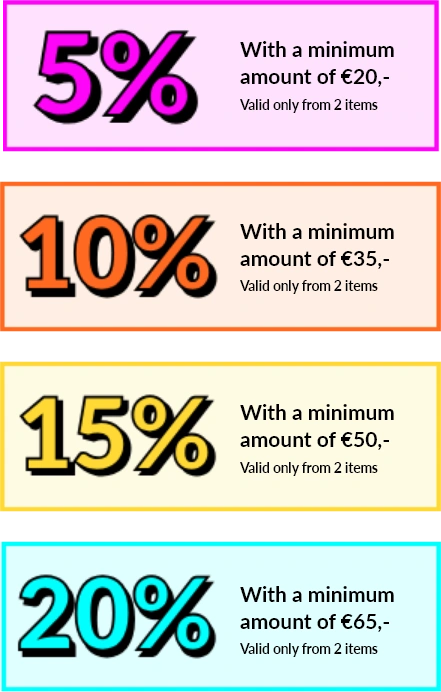
We offer same-day shipping until 11:30 PM, which means you can quickly have the right puzzle at home. Our automatic discounts on multiple items make it cost-effective to try different difficulty levels. Through our Thuiswinkel Waarborg certification, you can order with confidence, knowing that your purchase is secure.
Pharmacies and medical supply stores sometimes also carry therapeutic puzzles, although the selection is usually more limited. Libraries often have puzzles that can be borrowed, which is a good way to try different types before investing.
Puzzles can be a valuable tool in caring for people with dementia. By making the right choice based on cognitive abilities and personal preferences, you can contribute to well-being and quality of life. Start with simple options and adjust as you learn more about what works best for the specific person.
Frequently Asked Questions
How long should a puzzle session last for someone with dementia?
The ideal session duration varies from 15-30 minutes, depending on the person's attention span. Start with short sessions and gradually extend them if the person remains interested. Always stop before frustration occurs and celebrate small successes.
What do you do if someone becomes frustrated while puzzling?
Offer immediate help by placing a piece together or switching to a simpler puzzle. Use positive encouragement and focus on what has already been accomplished. Sometimes it helps to take a break and start again later with a different approach.
Can puzzles also be used by people with advanced dementia?
Yes, very simple puzzles of 4-12 large pieces can still be valuable in advanced stages. Focus on sensory experience and social interaction rather than completion. Even touching and sorting puzzle pieces can be therapeutic.
How often per week should someone with dementia puzzle?
Daily short puzzle sessions are ideal, but 3-4 times per week is also very effective. Consistency is more important than frequency. Try to integrate puzzling into a fixed routine, for example after lunch or before dinner.
What signals indicate that a puzzle has become too difficult?
Watch for signs of frustration, agitation, or giving up within a few minutes. If someone repeatedly makes the same incorrect movements or becomes angry, the puzzle is probably too challenging. Then switch to a simpler variant.
How can you make puzzling more social for people with dementia?
Puzzle together by taking turns placing pieces, tell stories about the image, or have family members help search for specific colors or shapes. Make it a pleasant moment with music or a cup of tea alongside.
Are digital puzzle apps suitable for people with dementia?
Digital puzzles can be useful in early stages, but physical puzzles are usually more effective because of the tactile stimulation. If you use digital options, choose apps with large pieces, simple operation, and no time pressure or complex menus.
Table of contents
Much viewed

More blogs