
-
 Dave Vinke
- Leestijd: 5 min
- Laatst geüpdatet: 26/03/2026

If you’re considering purchasing a new speedcube, you’ll quickly face the choice between magnetic and non-magnetic variants. This decision can be quite overwhelming, especially since magnetic speedcubes are often more expensive than their traditional counterparts.
In this comprehensive guide, we answer all the important questions about magnetic speedcubes versus non-magnetic models. We help you understand which option best suits your cubing level and personal preferences, so you can make an informed choice.
What is the difference between magnetic and non-magnetic speedcubes?
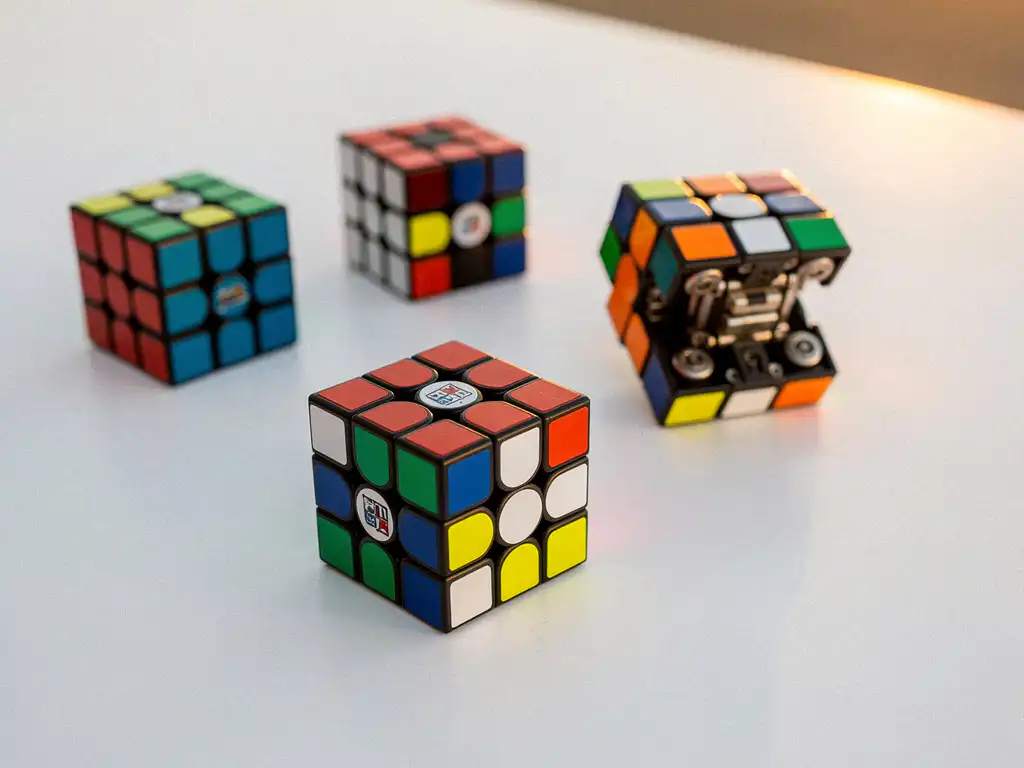
Magnetic speedcubes contain small neodymium magnets in the corner pieces and edge pieces, while non-magnetic speedcubes rely exclusively on mechanical precision and tension for their turning feel. These magnets create a subtle magnetic attraction between adjacent pieces.
The main difference lies in stability and turning feel. With magnetic cubes, you feel a slight resistance and a “snap” when the layers are correctly aligned. This magnetic feedback system helps with making precise movements and reduces overshooting during fast algorithms. Non-magnetic cubes, on the other hand, offer a completely free turning feel, without any magnetic guidance.
The magnets are strategically placed to not hinder the natural turning movement, but to provide support when the layers come into the correct position. This results in a more controlled and predictable cubing experience.
Why do magnetic speedcubes need magnets?
Magnetic speedcubes use magnets to provide stability, control, and consistency during cubing. The magnets function as a subtle guidance system that helps align layers and prevent unwanted movements during fast turning sequences.
Modern speedcubing requires extremely fast finger movements and precision. Without magnetic support, cubes can feel “wobbly,” especially at high speeds. The magnets ensure that each layer “clicks” into place when correctly aligned, resulting in more reliable times and fewer mistakes.
Additionally, magnets help develop muscle memory. The consistent feedback they provide allows cubers to perfect movements without constantly having to visually check whether layers are correctly aligned. This is especially valuable for speedcubers aiming for sub-20 or even sub-10 second times.
What advantages do magnetic speedcubes offer over non-magnetic ones?
Magnetic speedcubes offer superior stability, better control at high speeds, a consistent turning feel, and improved accuracy during algorithms. They significantly reduce overshooting and lock-ups, resulting in more reliable solve times.
The biggest advantage is stability during fast movements. During aggressive turning sequences, the layers stay better aligned, causing you to lose less time correcting misaligned pieces. This is especially noticeable in algorithms like PLL and OLL, where fast and precise movements are crucial.
Another significant advantage is the improved tactile feedback. You feel exactly when a layer is in the correct position, enabling you to turn faster and more confidently. This tactile element also helps develop a more consistent turning technique.
For competitive cubers, magnetic speedcubes also offer more predictable performance under stress. The magnetic stability ensures that the cube behaves the same during an official solve as it does during practice at home.
Are there disadvantages to magnetic speedcubes?
Magnetic speedcubes have some disadvantages: they are more expensive than non-magnetic variants, can initially feel slower for beginners, and some cubers find the magnetic feel too restrictive for their personal turning preference.
Cost is often the first obstacle. Magnetic cubes typically cost 5 to 15 dollars more than comparable non-magnetic models. For beginners who aren’t yet sure whether speedcubing will become a long-term hobby, this can seem like a significant investment.
Some experienced cubers who are accustomed to the completely free feel of non-magnetic cubes experience magnets as limiting. They prefer the total freedom to manipulate the cube in their own way, without any magnetic “interference” in their turning pattern.
Additionally, magnets can weaken after intensive use, although this usually only happens after years. In rare cases, magnets can also come loose, requiring repair or replacement.
Which speedcube is better for beginners: magnetic or non-magnetic?
For beginners, magnetic speedcubes are generally the better choice because they provide stability, help prevent mistakes, and create a more consistent learning experience. The magnetic feedback helps develop good turning techniques from the beginning.
Beginners often make the mistake of turning too hard or too uncontrolled. Magnetic cubes help correct this by providing natural resistance against overshooting. This results in less frustration and a smoother learning experience while mastering basic algorithms.
The tactile feedback from magnets also helps beginners better feel when movements are executed correctly. This accelerates the learning process and helps develop muscle memory for commonly used algorithms.
While the higher cost is a consideration, the investment in a magnetic speedcube is usually worthwhile for beginners who are serious about learning speedcubing. The improved experience more than compensates for the extra cost.
How do you choose between different magnetic speedcube strengths?
Magnetic speedcubes are available in different strengths: weak, medium, and strong. A medium magnetic strength is ideal for most cubers, weak magnets are suitable for those who want minimal feedback, and strong magnets for cubers who prefer maximum stability.
Weak magnets provide subtle guidance without significantly affecting the free turning feel. This is ideal for cubers transitioning from non-magnetic cubes or for those who have developed a very fast turning technique.
Medium-strength magnets form the perfect balance for most speedcubers. They provide sufficient feedback and stability without feeling restrictive. This strength is often recommended for beginners to advanced cubers.
Strong magnets are suitable for cubers who want maximum control and stability, often at the expense of pure speed. They are also ideal for one-handed cubing, where extra stability is crucial due to limited control.
When choosing, it’s important to consider your turning speed and personal preference. Faster cubers often prefer weaker magnets, while cubers focusing on accuracy and control choose stronger magnetic feedback.
Frequently Asked Questions
Can I add magnets to my existing non-magnetic speedcube myself?
Yes, it's possible to add magnets to a non-magnetic cube, but this requires technical skills and the right materials. You need small neodymium magnets (usually 4x2mm), super glue, and precision. However, many cubers choose to buy a professionally made magnetic cube directly due to the complexity and risk of damage.
How do I maintain the magnets in my speedcube?
Magnets in speedcubes require minimal maintenance. Avoid dropping your cube on hard surfaces and store it at room temperature. Clean your cube regularly with a dry cloth and avoid water or solvents that could affect the glue. With normal use, the magnets remain effective for years.
Which well-known speedcube brands make the best magnetic cubes?
Popular brands for magnetic speedcubes are GAN, MoYu, QiYi, and YJ. The GAN 11 M Pro, MoYu RS3M 2020, and QiYi MS are highly praised models. For beginners, the MoYu RS3M 2020 is an excellent choice due to its good price-quality ratio, while advanced cubers often choose premium options like the GAN 12 MagLev.
Do magnets make noise during cubing?
High-quality magnetic speedcubes make virtually no audible sound from the magnets themselves. The 'click' sound you hear comes mainly from the mechanical components of the cube. Cheap or poorly made magnetic cubes can sometimes produce a slight 'tick' sound, but this is usually a sign of lower quality.
Is it harder to switch from a magnetic cube to a non-magnetic one?
Yes, many cubers find it difficult to go back to non-magnetic cubes after getting used to magnetic feedback. Your turning technique adapts to the magnetic stability, making non-magnetic cubes feel unstable and difficult to control. It's therefore wise to consider your choice carefully before investing in a magnetic cube.
Can magnets interfere with electronic devices during competitions?
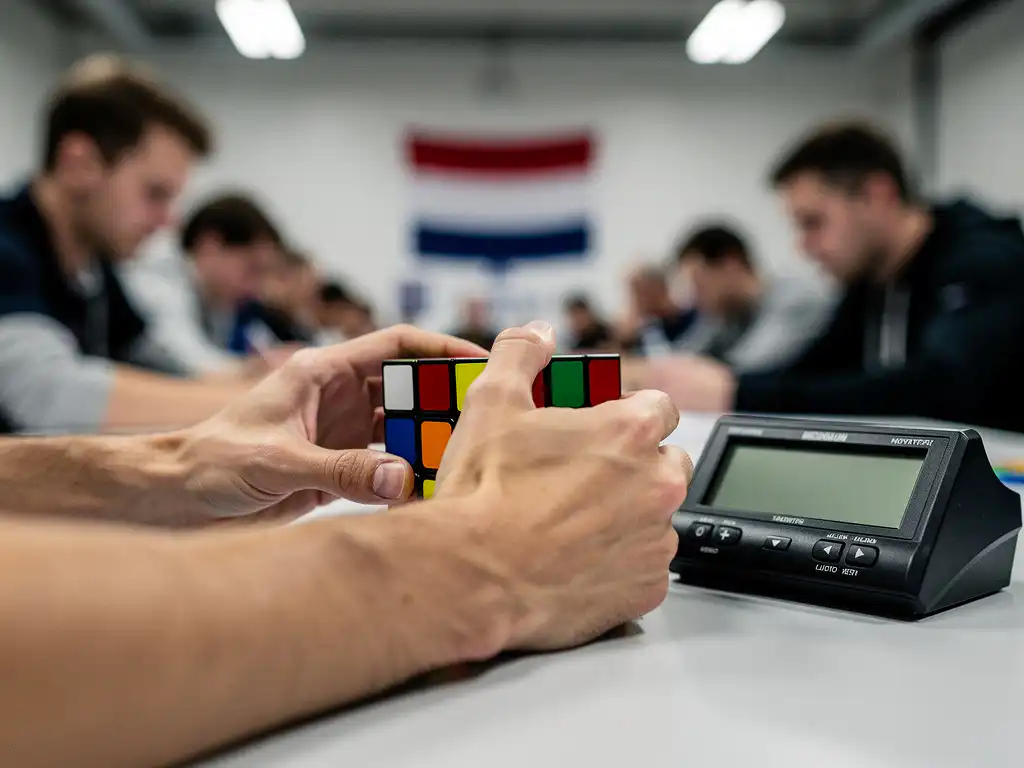
The small neodymium magnets in speedcubes are too weak to cause significant interference with modern electronic devices like smartphones or timers. Official WCA competitions allow magnetic cubes without restrictions. However, keep your cube at a reasonable distance from magnetic storage like credit cards or old hard drives.
What should I do if a magnet comes loose in my speedcube?
If a magnet comes loose, stop cubing to prevent further damage. Carefully disassemble the affected pieces and replace the magnet with a small drop of super glue (cyanoacrylate). Make sure the polarity is correct by testing with other pieces. If you're unsure, consult online tutorials or consider professional repair.
Table of contents
Much viewed
More blogs