
-
 Dave Vinke
- Leestijd: 5 min
- Laatst geüpdatet: 04/01/2026

Long journeys can be boring. Hours on the train, endless waiting times at airports or long car rides where you as a passenger can do nothing but stare out the window. Fortunately, there’s a perfect solution that fits in any bag: brain teasers. These compact puzzles are not only great for your mental sharpness, but also ideal travel companions that completely eliminate boredom.
The right brain teasers can make the difference between a boring journey and a productive, enjoyable experience. They take up hardly any space, make no noise that disturbs other travelers and offer hours of challenge. Moreover, while traveling you train your problem-solving ability and concentration – time that would otherwise be lost suddenly becomes valuable.
Why brain teasers are the perfect travel companions
Travel brings unique challenges for entertainment. You have limited space, must consider other passengers and often deal with changing conditions like turbulence or bumpy roads. Traditional forms of entertainment, like books, can be difficult in poor light, and electronic devices always have the risk of a dead battery.
Brain teasers, on the other hand, are completely independent of external factors. They work in virtually any lighting situation, need no power and are resistant to most travel conditions. Moreover, they stimulate your brain in a way that keeps you alert and sharp, perfect for when you arrive at your destination.
The compact format of most puzzles means you can bring multiple copies without weight problems. This way you always have variety and can switch between different difficulty levels, depending on your energy and concentration level during the journey.
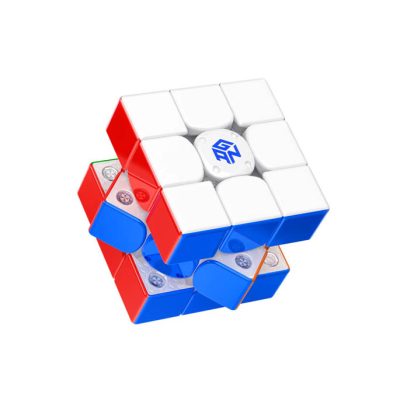
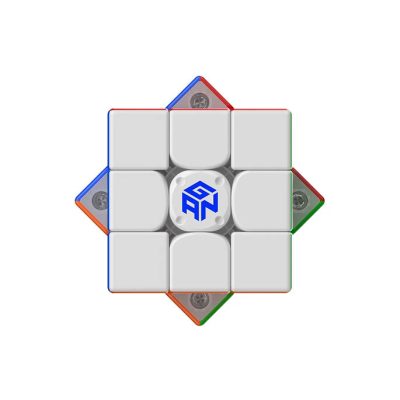
1: Magnetic Rubik’s Cube for stable puzzling
A moving vehicle is not exactly the most stable environment for solving puzzles. Traditional Rubik’s Cubes can easily fall apart with a sudden movement or shock, resulting in frustration and possibly lost parts. Magnetic speedcubes offer the perfect solution here.
These advanced cubes have small magnets in every corner and edge, keeping the layers firmly in place. Magnetic stability means your cube won’t spontaneously fall apart, even during airplane turbulence or sharp turns in the car. The magnets also provide a satisfying feel with every turn and make it easier to turn precisely.
The compact format of 5.7 cm fits perfectly in your carry-on luggage or even your pants pocket. Modern magnetic cubes are also designed for speed and smooth movements, making them suitable for both beginners and advanced speedcubers who want to keep practicing their techniques on the road.
2: Pocket puzzles that fit in any bag
Space is precious during travel, especially with carry-on luggage or backpacking. Fortunately, there’s an entire category of ultra-compact brain teasers specifically designed to take up minimal space. These pocket puzzles are often no larger than a keychain, but still offer hours of challenge.
Mini versions of classic puzzles like the 2×2 cube, pyraminx or skewb are popular choices. There are even keychain versions that you can literally hang on your key ring. These puzzles retain all the challenge of their big brothers, but in a format you can take anywhere.
Also consider flat puzzles like sliding puzzles or tangram variants that fit in a small box. These take up even less space than cubic puzzles and are perfect for inner compartments of backpacks or handbags. Despite their small format, they often offer surprisingly complex challenges that can keep you busy for hours.
3: Silent puzzles for discrete moments
Not every travel situation is suitable for puzzles that click, tick or make other sounds. In quiet train compartments, airport libraries or during nighttime rides, you don’t want to disturb other travelers. Silent brain teasers are indispensable in these situations.
Wooden puzzles are excellent silent alternatives. Burr puzzles, tangrams and other wooden brain teasers make hardly any sound and often have a premium appearance. Magnetic puzzles are also relatively quiet, because the magnets dampen the movements and prevent hard clicking sounds.
Flexible puzzles like the Rubik’s Snake or other twist puzzles are also very suitable for quiet moments. They make virtually no sound and offer endless possibilities for different shapes and configurations. Moreover, they are very durable and resistant to intensive use during long journeys.
4: Which materials survive travel conditions?
Travel means exposure to different temperatures, humidity and physical stress. Not all puzzle materials are equally suitable for these conditions. Choosing the right material can make the difference between a puzzle that lasts for years and one that breaks after a few trips.
High-quality plastic is often the best choice for travel puzzles. Modern ABS plastic cubes are resistant to temperature fluctuations and are not affected by humidity. They are lightweight, durable and maintain their smooth turning, even after intensive use.
Metal puzzles are extremely durable, but can be heavier and sometimes feel cold at low temperatures. Wood looks beautiful and feels pleasant, but can be sensitive to moisture and extreme temperatures. For frequent travel, plastic is usually the most practical choice, while metal and wood are better suited for occasional trips, where durability is more important than weight.
5: Twisty puzzles without loose parts
Nothing is more frustrating than a puzzle that falls apart halfway through your journey and whose small parts roll under seats or – figuratively speaking – disappear out the airplane window. Twisty puzzles that remain as one whole are therefore ideal for on the road. These puzzles cannot fall apart, regardless of how intensively you use them.
The classic Rubik’s Cube is a perfect example of this, as well as variants like the pyraminx, megaminx and skewb. Modern versions of these puzzles are designed to fit together firmly, without this being at the expense of turning smoothness. Integrated constructions mean that all parts remain permanently connected.
Snake puzzles and other twist puzzles are also excellent choices. These consist of segments that are firmly attached to each other, but still offer complete freedom of movement. They can be twisted into hundreds of different shapes without any risk of losing parts.
6: Flexible puzzles that don’t break when dropped
During travel, accidents happen. Puzzles fall from hands, get accidentally crushed in suitcases or undergo other forms of physical stress. Flexible and shock-resistant brain teasers are designed to survive these challenges without suffering damage.
Silicone and soft plastic puzzles are particularly shock-resistant. They can fall without breaking and are often water-resistant, which is handy during unexpected rain showers or spilled drinks. These materials also feel pleasant during long puzzling sessions.
Fabric puzzles and puzzles made from other flexible materials are perfect for active travelers. They can be crushed in backpacks without damage, survive falls on hard surfaces and are often washable. For camping trips, backpacking or traveling with children, these are ideal options that can take a beating.
7: Multifunctional puzzles with extra benefits
The best travel puzzles don’t just serve as brain teasers, but also have other functions that make them even more valuable during your journey. These multifunctional puzzles maximize the value of the limited space in your luggage by addressing multiple needs at once.
Many modern puzzles also function as fidget toys, perfect for nervous travelers or people who want to keep their hands busy during waiting times. The repetitive movements can be calming and reduce stress, especially useful during air travel or other potentially stressful travel situations.
Some puzzles also have decorative value and can serve as an interesting conversation starter. This can be handy for solo travelers who want to make contact with fellow travelers. Moreover, there are puzzles that also function as a keychain, phone holder or even as a small night light for hotel rooms.
Assembling your perfect travel puzzle collection
Assembling the ideal travel puzzle collection depends on your personal preferences, type of travel and available space. For short business trips, one compact magnetic cube is often sufficient, while long vacations offer room for a varied selection of puzzles with different difficulty levels.
Start with one reliable main puzzle that you know well and that challenges you without frustrating you. Add a quiet backup option for discrete moments and consider a flexible puzzle for situations where durability is important. Variety in difficulty level ensures you always have a suitable challenge, regardless of your energy level.
For the best selection of high-quality travel puzzles, you can turn to specialized suppliers who understand what travelers need. Look for brain teasers that are specifically tested for durability and travel suitability. Which puzzle will you take on your next adventure?
Frequently Asked Questions
How do I prevent small puzzle pieces from getting lost during travel?
Choose twisty puzzles without loose parts like Rubik's Cubes or pyraminxes that remain as one whole. For puzzles with small parts you can bring a small storage box or bag. Always check your seat before getting off and only use puzzles with loose parts when you're sitting stably.
What puzzle size is most practical for carry-on luggage?
Puzzles between 5-6 cm are ideal for carry-on luggage. They are large enough to puzzle comfortably with, but small enough not to take up valuable baggage weight or space. Mini puzzles of 3-4 cm are perfect as backup or for very limited space.
Can magnetic puzzles cause problems with airplane security?
No, the small magnets in magnetic speedcubes are far too weak to cause problems with aircraft electronics or security checks. They are treated as regular toys and you can bring them without worry in carry-on and checked luggage.
What do I do if my puzzle gets damaged during the trip?
Always bring a backup puzzle, especially on long trips. For small repairs you can bring a mini screwdriver. Choose durable materials like high-quality ABS plastic that are resistant to drops and temperature fluctuations.
How can I puzzle in poor light during night travel?
Choose puzzles with clearly tactile texture differences or relief that you can also solve tactilely. Magnetic cubes have a clear 'click' feeling that helps with navigation in the dark. Also consider a small LED flashlight or use your phone's flashlight function.
Which puzzles are suitable for beginners who want to start during travel?
Start with a 2x2 speedcube - this is simpler than the classic 3x3 but still offers a good introduction to twisty puzzles. Pyraminx is also excellent for beginners because of the intuitive solution methods. Download tutorials on your phone beforehand for offline use.
How do I maintain my travel puzzles for optimal performance?
Keep puzzles clean and dry, especially after exposure to sand or moisture during travel. Lubricate magnetic cubes regularly with silicone spray for smooth movement. Store puzzles in a protective case or box to prevent scratches and wear during transport.
Table of contents
Much viewed
More blogs