
-
 Dave Vinke
- Leestijd: 5 min
- Laatst geüpdatet: 26/03/2026

Speedcubing is a fascinating sport where every second counts. While talent certainly plays a role, there are concrete techniques and strategies that every cuber can learn to drastically improve their times. Whether you’re stuck at 2 minutes or trying to break through to sub-20 seconds, the right approach makes the difference between frustration and progress.
The world’s best speedcubers aren’t just talented; they’ve also systematically worked on specific aspects of their technique. From choosing your speedcube to perfecting your finger movements: every detail contributes to faster solutions. These six proven tips will help you take your cubing to the next level.
Why speed in cubing is more than just talent
Many beginning cubers think that speed is mainly a matter of natural talent or luck. In reality, speedcubing is a skill that anyone can systematically develop, as long as you’re willing to practice with focus. The fastest cubers in the world have spent thousands of hours perfecting specific techniques.
Speed emerges from the combination of efficient algorithms, smooth finger movements, and mental lookahead. Talent can give you a head start, but consistent improvement comes from understanding and applying proven methods. Even cubers who start with slow times can make spectacular progress within months with the right approach.
1: Choose a high-quality magnetic speedcube
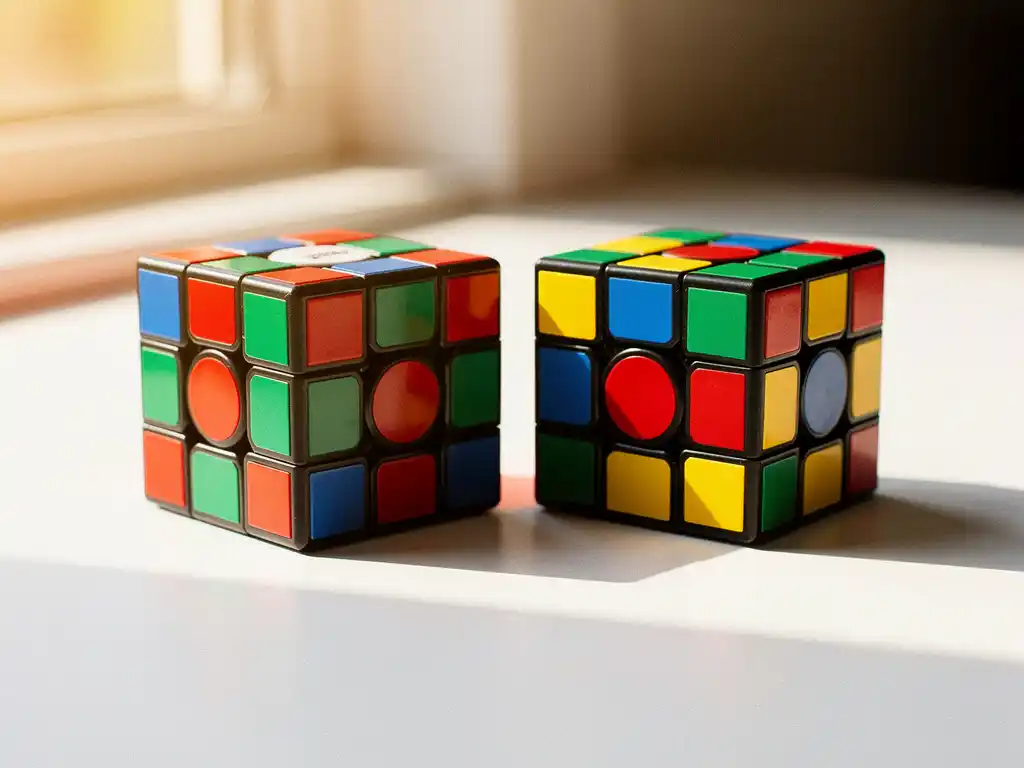
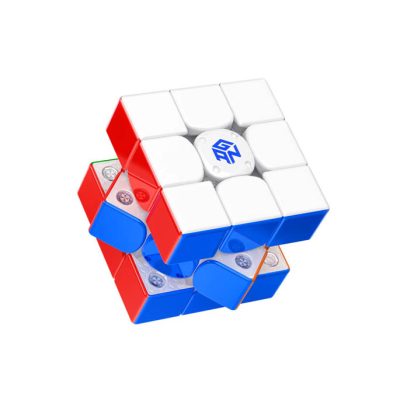
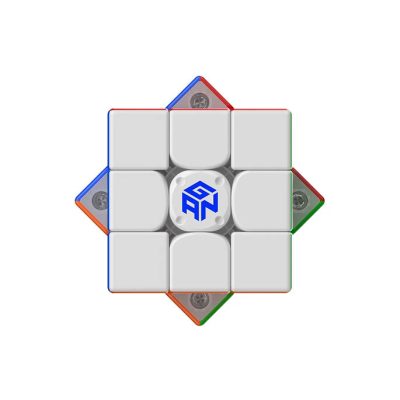
A magnetic speedcube is the foundation for fast times. Magnets provide stable layer alignment and give tactile feedback that helps you make precise movements without having to look at the cube. This reduces lockups and missteps that cost precious seconds.
Modern magnetic cubes have various magnet strength options that you can adjust to your turning speed and preference. Stronger magnets offer more stability with aggressive turning patterns, while weaker magnets enable faster movements. Investing in a quality cube with good corner cutting and smooth turning is essential for developing consistent muscle memory.
2: Learn the CFOP method for efficient solutions
CFOP (Cross, F2L, OLL, PLL) is the most popular speedcubing method because it offers a perfect balance between clarity and efficiency. This method reduces the number of moves and eliminates many inefficiencies of beginner methods by solving multiple steps simultaneously.
Learning CFOP happens in phases. Start by perfecting your cross in 4-6 moves and then move on to F2L (First Two Layers) to insert corner pieces and edge pieces simultaneously. The last two steps, OLL and PLL, require memorizing algorithms but provide drastic time improvements. Many cubers see their times cut in half within months after switching to CFOP.
3: Develop proper finger techniques and grip
Efficient finger techniques are crucial for reaching high speeds without getting tired. The right grip keeps the cube stable while your fingers can move freely to execute turns. Use your thumbs and index fingers for most movements and learn to use different fingers for different turning directions.
Avoid using your wrists for turns; that leads to slower times and possible injuries. Focus on small, controlled movements from your fingers. Practice double flicks and other advanced finger techniques to execute complex algorithms smoothly. Good finger techniques also prevent you from having to reposition the cube during solving.
4: Practice lookahead to eliminate pauses
Lookahead is the skill of planning the next step while executing the current step. This eliminates pauses between algorithms, which can drastically increase your total time. Without lookahead, you must stop after each step to analyze the cube and determine your next move.
Start by practicing lookahead during slow solves. Focus on recognizing F2L pairs while making your cross, or spotting OLL patterns during your last F2L pair. Use metronome training to maintain a consistent turning speed while developing lookahead. This skill requires a lot of practice but is essential for achieving sub-20 times.
5: Optimize your cube with proper tension and lubrication
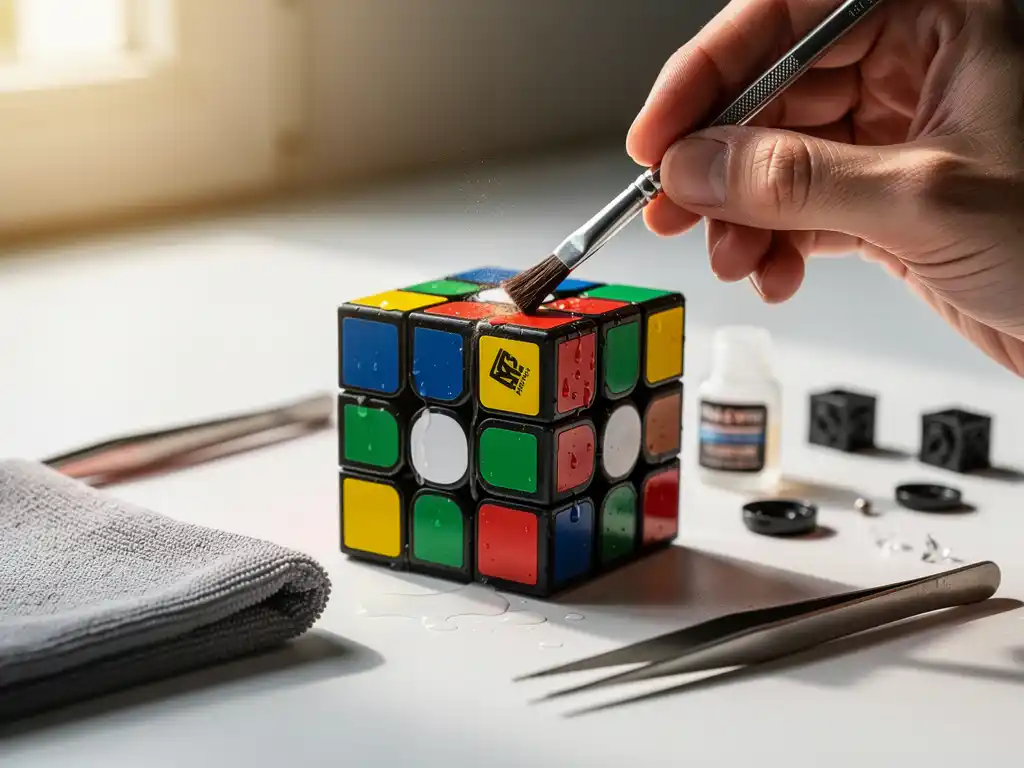
A well-tuned cube can save you seconds. The right tension ensures that layers turn smoothly without being too loose, while the right lubricant reduces friction and extends your cube’s lifespan. Different lubricants have different properties regarding speed and control.
Experiment with different tension settings by gradually adjusting the screws until you find the perfect balance between speed and stability. Use silicone-based lubricants for the core and lighter oils for the pieces. Regular maintenance keeps your cube in optimal condition and prevents performance degradation from dust and wear.
6: Train consistently with timer and scrambles
Consistent training with a timer is essential for measuring progress and developing a competition mindset. Use official WCA scrambles to ensure you’re practicing with realistic cube positions. Random scrambles prevent you from unconsciously learning patterns that aren’t representative of real competition conditions.
Keep a log of your times and identify specific weak points in your solves. Use apps or websites that track detailed statistics, including your average times over different periods. Focus on improving your consistency before trying to lower your average time. Regular, short practice sessions are more effective than sporadic, long sessions.
From beginner to sub-20: your speedcubing journey
The journey from beginner to sub-20 cuber is a process of gradual improvement, where each phase has its own challenges. Beginners starting with times of 2-3 minutes can get under a minute within weeks by simply learning a more efficient method and practicing basic finger techniques.
Breaking the 30-second barrier usually requires fully learning CFOP and developing lookahead skills. The final step to sub-20 depends on perfecting algorithms, optimizing cross efficiency, and minimizing pauses between steps. With dedicated practice, most cubers can reach this milestone within 6-12 months, depending on their starting level and practice time.
Frequently Asked Questions
How long does it take on average to go from 1 minute to sub-20 seconds?
With consistent daily practice of 30-60 minutes, most cubers can go from 1 minute to sub-20 seconds within 6-12 months. The key is focused practice on specific weak points and gradually building lookahead skills. Some cubers achieve this faster, others need more time - it depends on your starting level and practice consistency.
Which magnetic speedcube is most recommended for beginners?
The GAN 356 M and Moyu RS3M 2020 are excellent choices for beginners due to their good price-quality ratio and adjustable magnet strength. Start with medium magnet strength and adjust as your speed increases. Avoid too cheap cubes without magnets, as these can hinder your development.
Is it necessary to memorize all 78 PLL and OLL algorithms?
No, you don't need to learn all algorithms immediately. Start with 2-look OLL and PLL (about 16 algorithms total) to get under 30 seconds. Gradually learn more algorithms as you become more comfortable. For sub-20 times you do need the complete OLL and PLL set, but you can spread this over months.
My cube feels sticky after a while - how often should I maintain it?
Maintain your cube every 2-4 weeks, depending on usage. Clean the pieces with a damp cloth, apply new lubrication to the core and tensioners, and check the tension. If your cube feels sticky, it's time for cleaning and new lubrication. Store your cube in a dust-free place to reduce maintenance frequency.
Why do my times stagnate around 45 seconds and how do I break this plateau?
Plateaus around 45 seconds usually arise from inefficient cross solutions and lack of lookahead during F2L. Focus on making your cross in maximum 8 moves and practice slow solves to develop lookahead. Analyze your solves with a reconstruction app to identify specific time waste. Often it helps to cube temporarily slower to develop better habits.
Can I learn speedcubing without a timer or special apps?
While possible, a timer is essential for effective progress. Use free apps like ChaoTimer or csTimer for official scrambles and time recording. These tools provide valuable statistics that help you identify weak points. A simple stopwatch on your phone can serve as an emergency solution, but specialized cubing apps offer much more functionality for serious improvement.
Table of contents
Much viewed
More blogs