
-
 Dave Vinke
- Leestijd: 5 min
- Laatst geüpdatet: 05/01/2026

Winter is knocking at the door and with the shorter days and colder temperatures we are all looking for ways to make the dark months pleasant. While some see winter as a dull period, this season actually offers the perfect opportunity to pick up a new hobby. Puzzling proves to be the ideal winter hobby, whether you choose puzzles for adults, puzzles for children or a beautiful wooden puzzle. Winter naturally creates the perfect setting for this indoor activity, which can be both relaxing and challenging.
Why is puzzling so suitable for the winter months? The answer lies in the unique combination of mental stimulation, social opportunities and the warm, cozy atmosphere it creates. In this article you will discover six compelling reasons why puzzling can become your perfect winter companion.
1: Puzzling keeps your mind sharp during dark days
The shorter days and lack of natural light can have a negative effect on our mood and mental sharpness. Here puzzling comes to the rescue. Actively engaging with puzzles stimulates various cognitive functions simultaneously, keeping your mind alert and active, even during the darkest winter days.
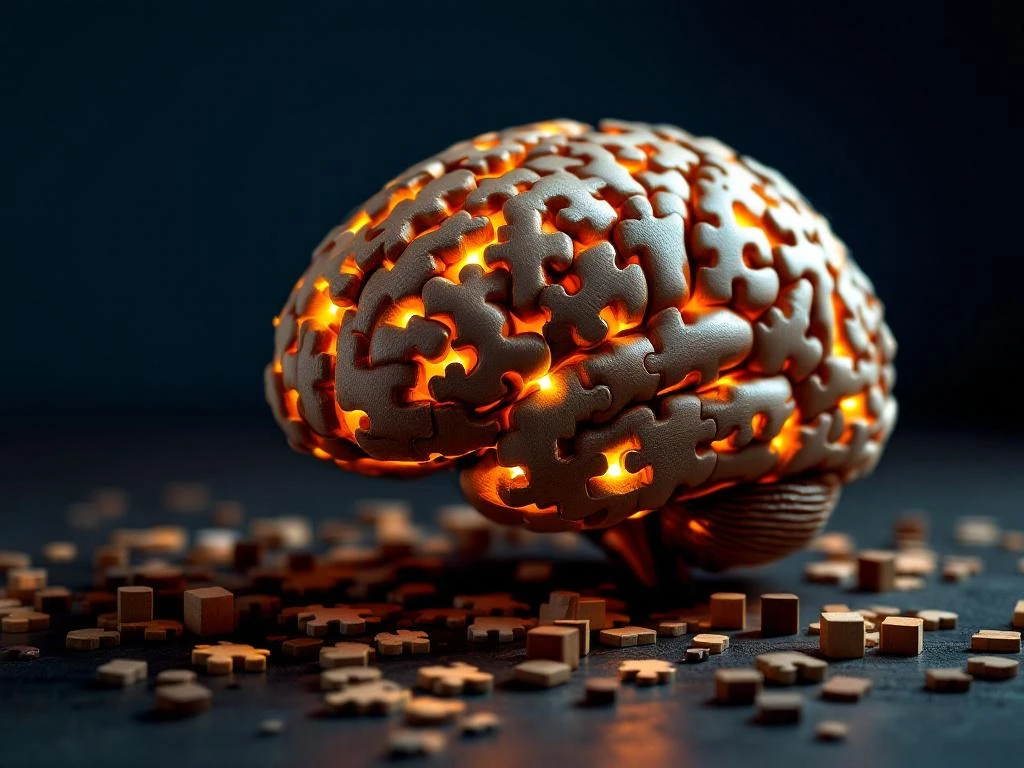
Puzzling activates both brain hemispheres and improves your memory, concentration and problem-solving ability. Whether you are working on a complex jigsaw puzzle of 1000 pieces or a challenging 3D puzzle, your brain is constantly challenged to recognize patterns, analyze shapes and develop strategies. This mental workout not only helps against the winter blues, but also keeps your cognitive functions up to par.
Moreover, the focus that puzzling requires provides a natural form of mindfulness. You are completely present in the moment, which helps to break through worrying about the dark weather or winter gloom.
2: The perfect social indoor entertainment
Winter often means more time indoors with family and friends, and puzzling offers the ideal group activity for cozy evenings. Unlike passive entertainment such as watching television, puzzling stimulates active cooperation and communication between participants.
Puzzles for children are perfect for bringing the whole family together, while more complex puzzles for adults can provide challenging evenings with friends. A beautiful wooden puzzle can, for example, become the centerpiece of a winter game night, where everyone contributes to solving the challenge.
The beauty of puzzling as a social activity is that it is suitable for different ages and skill levels. While one person focuses on the edge pieces, another can work on specific color areas. This natural division of tasks ensures that everyone feels useful and contributes to the collective success.
3: Puzzling away stress after busy workdays
After a long, stressful workday, puzzling offers a therapeutic escape from daily concerns. The repetitive nature of searching for the right pieces and systematically building up an image has a meditative effect that makes stress and tension flow away.
Puzzling activates the production of dopamine, a neurotransmitter that promotes feelings of satisfaction and well-being. Every time you place a piece in the right place, you get a small reward in the form of this ‘happiness hormone’. This provides natural stress reduction and a sense of satisfaction.
Unlike many other hobbies, puzzling requires no great physical effort or complex preparation. You can start immediately when you come home from work, making it an accessible form of relaxation that perfectly fits the winter rhythm of early darkness.
4: Why starting with puzzling now is the best time
Winter offers unique advantages for developing a new hobby like puzzling. First, you have more time indoors, without the distraction of outdoor activities like gardening, barbecuing or long walks. This natural focus on indoor activities makes it easier to develop new habits.
Additionally, winter is traditionally a period of reflection and personal growth. Many people use the dark months to learn new skills or develop hobbies. Puzzling fits perfectly with this winter introspection, because it is both relaxing and intellectually stimulating.
Starting with puzzling in winter also gives you the opportunity to gradually build up your skills. By the time spring arrives, you are an experienced puzzler who is ready to take on more complex challenges. Moreover, you can use the winter to discover your perfect puzzling style, whether you have a preference for landscapes, abstract patterns or mechanical puzzles.
5: Puzzling warms your house and your heart
There is something magical about the atmosphere that puzzling creates during cold winter evenings. The image of a family sitting together around the table, concentratedly working on a beautiful puzzle while the wind blows outside, embodies the essence of winter coziness.
Puzzling contributes to a warm, homely atmosphere that perfectly fits the winter desire for comfort and togetherness. It creates natural moments of quality time, where conversations arise and memories are made. These moments of connection are extra valuable during winter, when we are more inclined to turn inward.
Moreover, completing a puzzle gives a tangible sense of achievement that contributes to winter satisfaction. In a time when many people struggle with winter gloom, puzzling offers concrete moments of joy and satisfaction that help to get through the dark period.
6: Start your puzzle adventure with the right equipment
As a beginning puzzler, it is important to start with the right puzzles that match your level and interests. For children there are beautiful educational puzzles that are not only entertaining, but also contribute to the development of fine motor skills and spatial insight. Puzzles for adults range from accessible puzzles of 500 pieces to complex challenges of 2000 pieces or more.
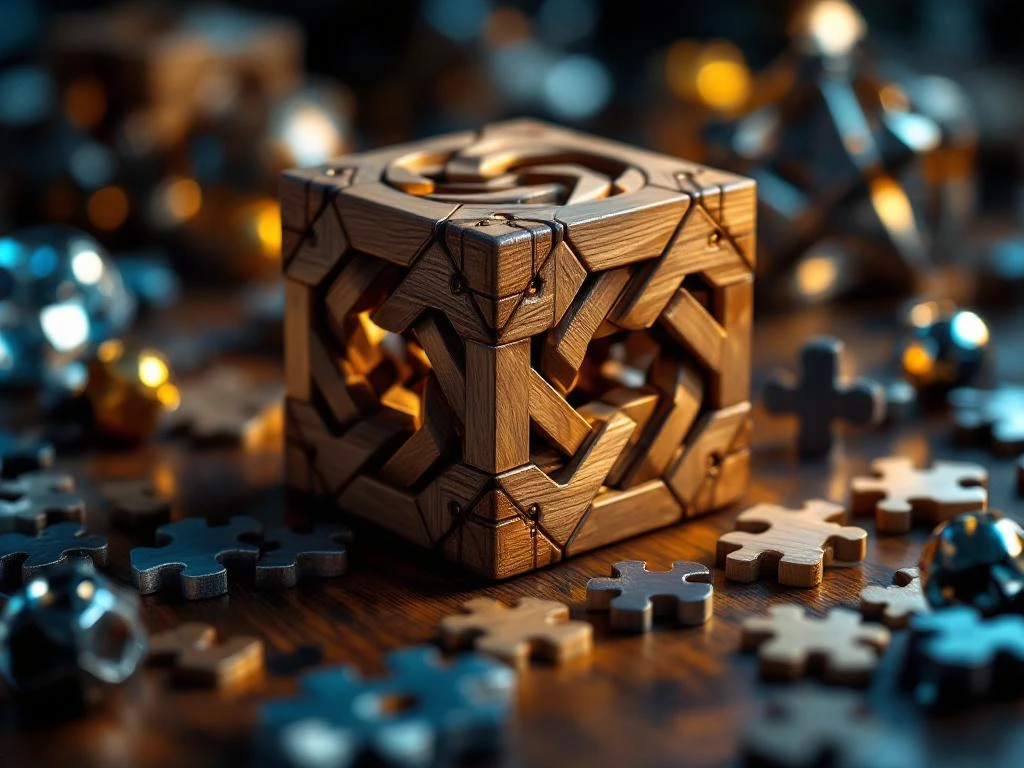
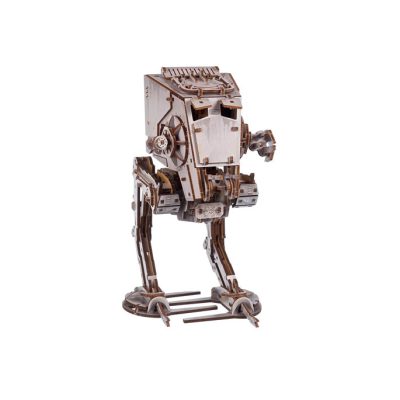
A wooden puzzle offers a unique experience with its natural texture and durable quality. These puzzles often have a premium appearance and can even serve as decoration when they are completed. For those looking for something different than traditional jigsaw puzzles, there are 3D puzzles, mechanical brain teasers and even puzzle boxes that offer an extra dimension of challenge.
When choosing your first winter puzzle, it is wise to start with an image that appeals to you and a difficulty level that is challenging but not overwhelming. A diverse collection of puzzles offers the opportunity to explore different styles and difficulty levels, so you can discover what best suits your preferences.
Make this winter your most puzzle-rich season
Now that you know the six compelling reasons why puzzling is the perfect winter hobby, nothing stands in your way to transform this winter into a period of mental growth, social connection and pure relaxation. From keeping your mind sharp during dark days to creating warm family moments: puzzling offers a unique combination of benefits that perfectly aligns with the winter need for comfort and meaningful activity.
Whether you choose challenging puzzles for adults, educational puzzles for children or the natural beauty of a wooden puzzle, the most important thing is to start. Every puzzle you complete is not only an achievement in itself, but also a step towards a richer, more satisfying winter.
Which puzzle will you choose to start your winter adventure with? The perfect combination of mental challenge, social connection and winter coziness awaits you.
Frequently Asked Questions
What puzzle size is best for beginners in winter?
For beginners we recommend puzzles of 300-750 pieces. This size offers sufficient challenge without being overwhelming, and you can usually complete them within a few winter evenings. Start with an image that appeals to you and gradually build up to more complex puzzles.
How do I create the perfect puzzle corner in my house during winter?
Choose a quiet spot with good lighting, preferably by a window for natural light during the day. Ensure a large, stable table where you can leave the puzzle, and add warm elements like a soft blanket and a warm drink. A puzzle mat can be handy for temporarily storing the puzzle.
What do I do if I get stuck on a difficult puzzle?
Take a break and come back later with fresh eyes. Try a different strategy such as sorting by color or pattern, or ask family or friends for help. Sometimes it helps to work on the edges or look for specific objects in the image instead of randomly trying pieces.
Can puzzles really help against winter depression?
Puzzling can indeed contribute to combating winter gloom by releasing dopamine and keeping your mind active. The focus and mindfulness that puzzling requires help break through negative thought patterns. However, it is not a replacement for professional help with serious winter depression.
How do I store an unfinished puzzle when I need the table?
Invest in a puzzle mat or puzzle board that you can roll up or slide away. Alternatively, you can use large cardboard sheets to carefully move the puzzle. For regular puzzlers, a folding puzzle table is a valuable investment for the winter months.
What puzzle themes work best for winter evenings?
Choose warm, cozy images like winter landscapes, fireplaces, or Christmas themes to enhance the winter atmosphere. Landscapes, art reproductions and animal images are also popular. Avoid too dark or depressing images that might strengthen the winter blues.
How do I make puzzling fun for children of different ages at the same time?
Choose a puzzle with clear color areas and let each child claim their own color. Younger children can look for edge pieces while older children tackle more complex parts. Regularly switch roles and celebrate small victories together to keep everyone involved.
Table of contents
Much viewed


More blogs