
-
 Dave Vinke
- Leestijd: 5 min
- Laatst geüpdatet: 05/01/2026

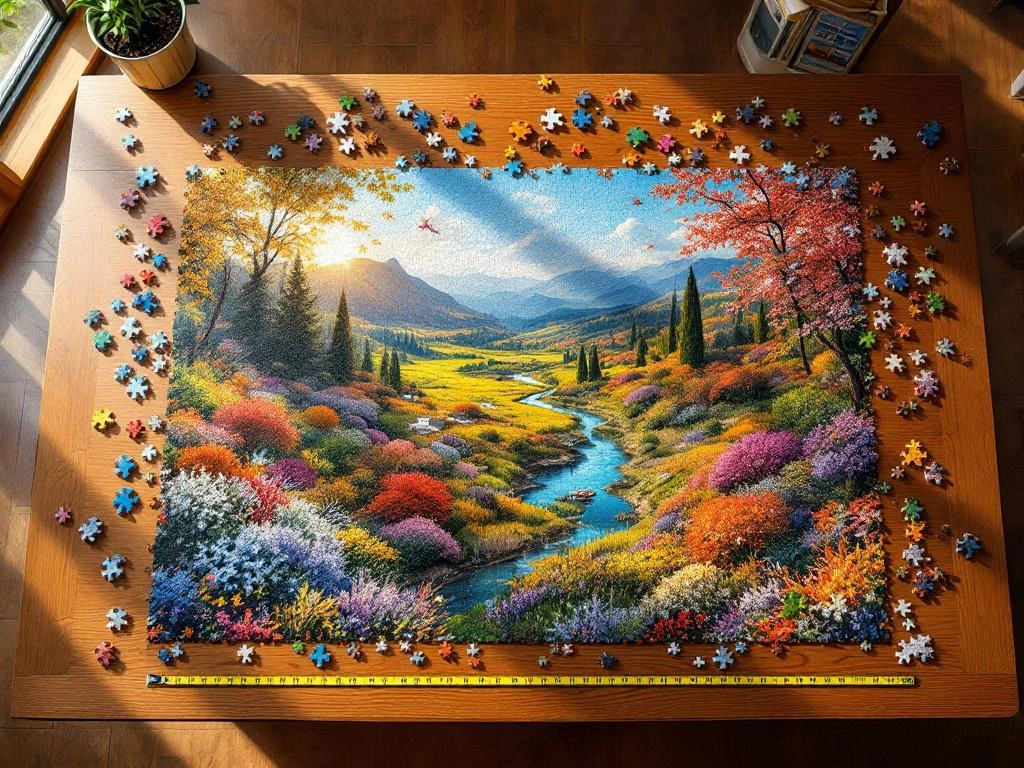
You’ve finally completed that intricate 1000-piece puzzle, or perhaps you’ve just achieved a new personal record with your speedcube. What now? Many puzzlers simply put their completed puzzles back in the box or leave them lying around, but this doesn’t do justice to all the hard work that went into them. Whether you’re working with adult puzzles that cost hours of concentration, children’s puzzles that are displayed with pride, or a beautiful wooden puzzle that is a work of art in itself, every completed puzzle deserves proper care and attention.
Storing your puzzles goes beyond just tidying up. It protects your investment, preserves the quality of the pieces, and allows you to enjoy your achievements. Additionally, you prevent frustrations such as missing pieces, warped components, or puzzles that lose their smooth operation due to improper storage.
1: Display Stands for Permanent Presentation
If you’re proud of a particular puzzle, why hide it in a drawer? Display stands are perfect for puzzles you want to admire regularly or show to others. From simple acrylic holders to elegant display cases, there are countless options available that fit any home style.
For speedcubes, transparent acrylic stands are ideal because they make the puzzle visible from all angles without taking up much space. Larger puzzles, such as complex 3D puzzles or decorative wooden specimens, are best showcased in glass display cases that provide protection against dust and handling.
The advantage of visible storage is that your puzzles become part of your interior design. They remind you of your achievements and can even become conversation starters for visitors. Just make sure your display area isn’t in direct sunlight, as this can cause colors to fade.
2: Storage Boxes with Compartments for Safe Keeping
For puzzlers with a large collection, specialized storage solutions are essential. Storage boxes with individual compartments protect each puzzle from damage and keep everything neatly organized. These systems are especially valuable for speedcubers who have multiple cubes or for collectors of different puzzle types.
Choose storage boxes with foam inserts or soft lining to prevent scratches. Compartments should be large enough so puzzles can easily go in and out without being forced. For extra protection, you can wrap each puzzle in a soft cloth before storing it.
Labeling is crucial with this system. Use stickers or small cards to indicate which puzzle belongs where. This saves time when searching and prevents you from having to handle puzzles unnecessarily often. Also consider keeping a digital inventory of your collection.
3: Which Storage Method Suits Your Puzzle Type?
Not every puzzle has the same needs. Speedcubes require access to their mechanism for maintenance and should therefore be stored in systems that provide easy access. Traditional jigsaw puzzles, on the other hand, primarily need protection against moisture and warping.
Wooden puzzles deserve special attention, as wood can expand and shrink with temperature changes. Store these preferably in a room with stable temperature and humidity. Metal brain teasers can rust if stored in damp conditions, so ensure a dry environment and consider silica gel packets in the storage box.
Large or irregularly shaped puzzles often need custom solutions. You can cut foam to create perfectly fitting compartments or use adjustable dividers. The most important thing is that each puzzle sits securely without being pressed or dented.
4: Combine Storage with Maintenance for Long Life
The best storage solution integrates seamlessly with your maintenance routine. Regular maintenance during storage ensures your puzzles stay in top condition and are always ready for use. This means periodically checking for wear, removing dust and dirt, and lubricating moving parts when necessary.
Make every time you pick up a puzzle a moment to inspect it briefly. Are there parts that move stiffly? Are there dust particles between the mechanisms? A quick cleaning prevents small problems from growing into major frustrations.
For speedcubers, this is especially important, as performance is directly affected by the condition of the cube. Keep your lubricants near your storage system so you can perform quick maintenance. If you’re looking for new challenges or parts for your collection, you can always take a look at our puzzles for inspiration and quality products that are worth storing properly.
Build Your Perfect Puzzle Storage System
Setting up an ideal storage system starts with an honest look at your collection and available space. Combine different methods for the best results: use display stands for your favorite pieces, storage boxes for your daily puzzles, and special solutions for sensitive or valuable specimens.
Start small and gradually expand your system. A basic storage box can be extended with additional compartments, and a single display stand can grow into a complete display case. The most important thing is that your system remains practical and aligns with how you actually puzzle.
Also think about the future of your collection. Leave room for growth and choose systems that are modular or can be easily adapted. Which puzzle will you properly store first?
Frequently Asked Questions
How often should I check my stored puzzles for maintenance?
For speedcubes you use regularly: every 2-3 months. For decorative puzzles or those you use less often: every 6 months is sufficient. Always check for dust, moving parts that have become stiff, and signs of wear.
Can I use regular household storage boxes or do I need specialized puzzle boxes?
Regular storage boxes can work, but add soft padding such as foam or cloths to prevent scratches. Specialized puzzle boxes often have better dividers and protection, which is especially valuable for expensive or sensitive puzzles.
What's the best way to permanently store a large jigsaw puzzle without taking it apart?
Use puzzle glue to permanently connect the pieces and then place the completed puzzle in a frame or on a sturdy surface. For temporary storage, you can use puzzle mats that you can roll up, but this is only suitable for shorter periods.
My wooden puzzles have started sticking after storage. How do I prevent this?
Wood reacts to humidity and temperature changes. Store wooden puzzles in a room with stable temperature (64-72°F) and humidity (45-55%). Use silica gel packets in the storage box and avoid places like attics or basements where extreme temperature fluctuations occur.
What lubricants should I use for speedcube maintenance during storage?
Use silicone spray or specialized cube lubricants like Traxxas 50K or DNM-37. Avoid oil-based lubricants that attract dust. Lubricate sparingly - a few drops per side is enough - and always test the movement after lubricating.
How do I best organize my puzzle collection when I have limited space?
Use vertical storage with stackable boxes and choose multifunctional solutions like display stands that also provide storage. Prioritize your most used puzzles for easy access and store seasonal or decorative puzzles higher or deeper away.
Is it safe to store puzzles long-term in plastic bags?
Short term is no problem, but long-term storage in plastic can cause moisture buildup, especially with temperature changes. Preferably use breathable materials like cotton bags or ensure ventilation in the storage box. For metal puzzles, this is especially important due to rust risk.
Table of contents
Much viewed

More blogs