
-
 Dave Vinke
- Leestijd: 5 min
- Laatst geüpdatet: 05/01/2026

Are you ready to discover why puzzling in 2026 is the perfect hobby to start with? Whether you’re looking for puzzles for adults that improve your mental sharpness, puzzles for children that are educational and entertaining, or simply seeking a relaxing activity, this is the perfect time to start. Puzzling has evolved from a simple pastime to a serious hobby practiced by millions of people worldwide.
The mental benefits of puzzling are scientifically proven: it improves your problem-solving ability, increases your concentration and helps with stress reduction. In 2026 we see an explosive growth in the popularity of puzzles, partly thanks to the increasing need for digital detox and mindfulness. This guide helps you choose the perfect first puzzle that matches your level and interests.
Why starting to puzzle in 2026 is so popular
The puzzle revolution of 2026 is no coincidence. After years of digital overstimulation, people are increasingly looking for tangible challenges that engage their hands and brains simultaneously. Puzzling offers the perfect balance between mental stimulation and relaxation, without the negative effects of screen time.
Research shows that regular puzzling strengthens your memory, improves your spatial insight and even helps prevent cognitive decline. For children, puzzles are especially valuable because they develop logical thinking, patience and perseverance. Adults appreciate the meditation-like state that arises during the solving of complex puzzles.
The social aspects of puzzling should not be underestimated either. Puzzle competitions, online communities and local clubs create connections between people of all ages. In 2026, puzzling has grown into a full-fledged sport with international tournaments and professional athletes.
1: Rubik’s Cube 3×3 – the classic for every beginner
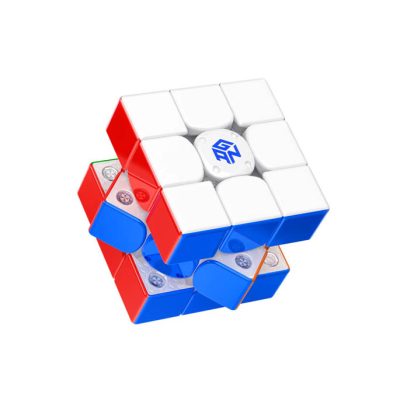
The traditional 3×3 Rubik’s Cube remains the gold standard for beginning puzzlers. This iconic puzzle, invented by Ernő Rubik in 1974, offers the perfect introduction to the world of mechanical puzzles. With its six colors and seemingly simple construction it appears accessible, but it offers enough depth to keep you busy for months.
What makes the 3×3 Cube so suitable for beginners is the excellent availability of learning materials. From YouTube tutorials to step-by-step guides, there exists an enormous amount of free content to help you get started. The learning curve is ideal: your first solution can take days, but with practice you can reduce this to just a few minutes.
The basic skills you develop with a 3×3 Cube form the foundation for virtually all other puzzles. You learn to recognize algorithms, remember patterns and think strategically. Moreover, the 3×3 Cube is affordable and available everywhere, making it the perfect starter investment for your new hobby.
2: 2×2 speedcube – ideal for quick first successes
For puzzlers who want to see quick results, the 2×2 speedcube is an excellent choice. This smaller variant of the classic Rubik’s Cube has only eight corner pieces, making it considerably easier to solve than its big brother. Most beginners can achieve their first successful solution within a few hours.
The 2×2 Cube is perfect for building confidence and momentum in your puzzle journey. Because there are no center pieces or edges, you focus exclusively on positioning and orienting corners. This simplified concept makes learning algorithms much more manageable and less overwhelming.
However, don’t underestimate the depth of the 2×2 Cube. Advanced speedcubers can solve this puzzle in less than two seconds, which shows that there’s always room for improvement. The transition from 2×2 to 3×3 feels natural and logical, allowing you to gradually scale up to more complex challenges.
3: Pyraminx – triangular challenge for varied learning
The Pyraminx introduces a completely new dimension to your puzzle experience through its unique triangular shape. This tetrahedral puzzle rotates around four axes instead of the traditional three, forcing you to think differently about spatial movements and strategies.
What makes the Pyraminx particularly suitable for beginners is the ability to solve parts of the puzzle independently. You can start with the tips (small triangles at the points) before moving on to the more complex centers and edges. This phased approach prevents frustration and gives a clear sense of progress.
The turning techniques you learn with the Pyraminx are fundamentally different from cubic puzzles. You develop new grips and movement patterns that you can later apply to other non-cubic puzzles. Shape variation is crucial for complete puzzle development, and the Pyraminx offers the perfect introduction to this diversity.
4: Megaminx – twelve sides full of puzzle fun
The Megaminx marks the transition to more complex puzzle structures with its twelve pentagonal faces and dodecahedral shape. This imposing puzzle looks intimidating, but is surprisingly accessible for beginners who have mastered the basics of cubic puzzles.
Solving a Megaminx requires a systematic approach that significantly improves your spatial insight. With five colors per face instead of three, you must elevate your memory and pattern recognition to a higher level. The extra complexity ensures that your solution times are longer, which develops patience and perseverance.
Despite its complex appearance, the Megaminx uses many similar algorithms as the 3×3 Cube, but applied to a different geometry. This overlap makes the learning curve more gradual than you would expect. Moreover, successfully solving a Megaminx gives an enormous sense of satisfaction.
5: Mirror Cube – shape changes everything in this challenge
The Mirror Cube revolutionizes your puzzle experience by making shape more important than color. This silver-colored variant of the 3×3 Cube has different thicknesses for each piece, causing the shape to change drastically as you turn. Suddenly you must rely on tactile feedback and spatial understanding instead of visual patterns.
This shape-shifting property forces you to develop new strategies. You can no longer rely on color recognition, but must learn to interpret shapes, heights and silhouettes. This develops a completely new set of cognitive skills that significantly expands your puzzle repertoire.
The Mirror Cube is particularly suitable for beginners because it’s based on the familiar 3×3 mechanics, but offers a fresh challenge. Your existing algorithms still work, but you must learn to apply them in a context where shape is the primary indicator. This transition perfectly prepares you for other shape-shifting puzzles.
6: Skewb – diagonal turning for new perspectives
The Skewb introduces a revolutionary turning mechanism that completely differs from traditional cubic puzzles. Instead of horizontal and vertical rotations, the Skewb turns around diagonal axes, requiring a fundamentally different way of thinking about puzzle movements and strategies.
This unique mechanism makes the Skewb more accessible than you would expect. With only eight moving pieces (four corners and four centers), the complexity is manageable, but the diagonal movements provide a refreshing challenge. You learn to manipulate corners and faces in a way that permanently changes your perspective on spatial puzzles.
The algorithms for the Skewb are relatively short and intuitive, which is perfect for beginners who don’t want to be overwhelmed by long sequences. At the same time, you develop new grips and movement patterns that prepare you for more advanced diagonally turning puzzles in the future.
7: Which puzzle fits best with your learning style?
Choosing your first puzzle depends heavily on your personal learning style and goals. Visual learners often thrive with colorful cubic puzzles like the 3×3 or 2×2, where pattern recognition is central. Tactile learners, on the other hand, are often drawn to the Mirror Cube or other tactile variants.
Also consider your available practice time. If you only have 10-15 minutes daily, the 2×2 Cube is ideal for quick sessions and visible progress. If you have more time and enjoy extended challenges, the Megaminx offers hours of puzzle fun. For people who like variety, the Pyraminx is perfect for exploring different puzzle types.
Your personality also plays a role. Perfectionists often appreciate the systematic approach of the 3×3 Cube, while adventurers are drawn to the unpredictability of shape-shifting puzzles. There’s no wrong choice, only different paths to the same goal: puzzle enjoyment and mental growth.
8: Ghost Cube – transparent challenge for visual thinkers
The Ghost Cube brings a fascinating transparent dimension to your puzzle experience. This transparent variant of the 3×3 Cube seems simpler at first glance because you can see all internal mechanisms, but this turns out to create an extra challenge that tests your visual processing skills.
The transparency causes visual confusion because you see multiple layers and colors simultaneously. Your brain must learn to filter relevant information and focus on the correct faces. This extra cognitive load makes every move more conscious and strategic.
For beginners who enjoy visual challenges, the Ghost Cube offers a unique learning experience. You develop better focus and concentration because distraction can be fatal to your solving process. Moreover, it’s a beautiful display piece that’s guaranteed to spark conversations with friends and family.
9: Fisher Cube – classic shape with surprising twists
The Fisher Cube looks like an ordinary 3×3 Cube at first glance, but its modified internal structure provides surprising shape-shifting properties that make it a unique challenge. This puzzle combines the familiar aspects of classic cubic puzzles with the excitement of unpredictable shape changes.
What makes the Fisher Cube perfect for ambitious beginners is the gradual introduction of shape-shifting concepts. The puzzle starts cubic, but transforms during solving into complex, asymmetrical shapes. This progressive difficulty level helps you gradually get used to shape-based puzzling.
The Fisher Cube teaches you to think flexibly and adapt your strategies as the puzzle changes shape. You develop problem-solving skills that go beyond traditional puzzle techniques. It’s the perfect bridge between classic cubes and more advanced shape-shifting puzzles.
10: Axis Cube – geometric transformation puzzle
The Axis Cube forms the crown of this beginner selection with its extreme geometric transformations and challenging shape changes. This advanced variant of the 3×3 Cube undergoes dramatic metamorphoses that elevate your understanding of spatial relationships and puzzle mechanics to new heights.
What makes the Axis Cube particularly suitable as the conclusion of your beginner journey is the combination of familiar algorithms with radically new applications. You use known techniques, but must apply them to a puzzle that constantly changes shape. This synthesis of familiar and unknown creates the perfect learning experience.
Successfully solving an Axis Cube marks your transition from beginner to advanced puzzler. The complex shape changes and geometric challenges prepare you for virtually any other puzzle you’ll encounter in the future. It’s a milestone that definitively elevates your puzzle skills to the next level.
Start your puzzle adventure with the right first step
Choosing your first puzzle is an important decision that determines the direction of your entire puzzle journey. Whether you choose the classic reliability of a 3×3 Cube, the quick satisfaction of a 2×2, or the unique challenge of a Pyraminx, the most important thing is that you start with something that excites you and motivates you to continue.
Remember that puzzling is a marathon, not a sprint. Start with one puzzle, master it completely and then gradually expand to new challenges. Many successful puzzlers have spent months perfecting their first Cube before moving on to more complex variants. This patient approach ensures a solid foundation and prevents frustration.
Whether you’re looking for a wooden puzzle for a more natural experience, or modern speedcubes for competitive purposes, the complete range of puzzles offers endless possibilities for exploration and growth. Which puzzle will you choose to begin your adventure?
Frequently Asked Questions
How much time should I spend daily on puzzling as a beginner?
Start with 15-30 minutes per day to prevent frustration and build consistency. Regular short sessions are more effective than long, intensive sessions. As your skills improve, you can gradually extend the time to 45-60 minutes per day.
What common mistakes should I avoid as a beginning puzzler?
Avoid trying too many different puzzles at once - focus first on one type until you've mastered it. Never force pieces and invest in a quality puzzle instead of a cheap variant. Also don't try to immediately chase speed; focus first on correctly learning algorithms.
How do I know when I'm ready to move on to a more difficult puzzle?
You're ready for the next step when you can consistently solve your current puzzle without looking at tutorials and your solution time has become stable. For a 3x3 Cube this usually means under 3-5 minutes. The most important thing is that you feel comfortable with the basic mechanics.
Can I learn to puzzle without using online tutorials?
While it's technically possible, online tutorials make the learning process much more efficient and less frustrating. They offer structured learning paths and prevent you from getting stuck. Combine tutorials with your own experimentation for the best learning experience and use different sources to get different perspectives.
What are the costs to seriously start puzzling?
A good starting investment is between €15-30 for a quality puzzle. Avoid extremely cheap puzzles (under €10) because these often turn poorly and hinder your learning process. For a complete beginner collection you can expect €75-150, depending on how many different puzzle types you want to try.
How do I maintain my puzzles for optimal performance?
Clean your puzzles regularly with a dry cloth and remove dust from the mechanisms. Use special cube lubricants to keep the turning movement smooth - this should be done every 2-3 months with intensive use. Store puzzles in a dry place and avoid extreme temperatures.
Is there an age limit for starting to puzzle?
Puzzling has no age limit - children from 6 years old can start with simple 2x2 cubes, while adults of any age can start. Older beginners often have an advantage through their patience and systematic approach. The most important thing is motivation and willingness to learn, not age.
Table of contents
Much viewed
More blogs