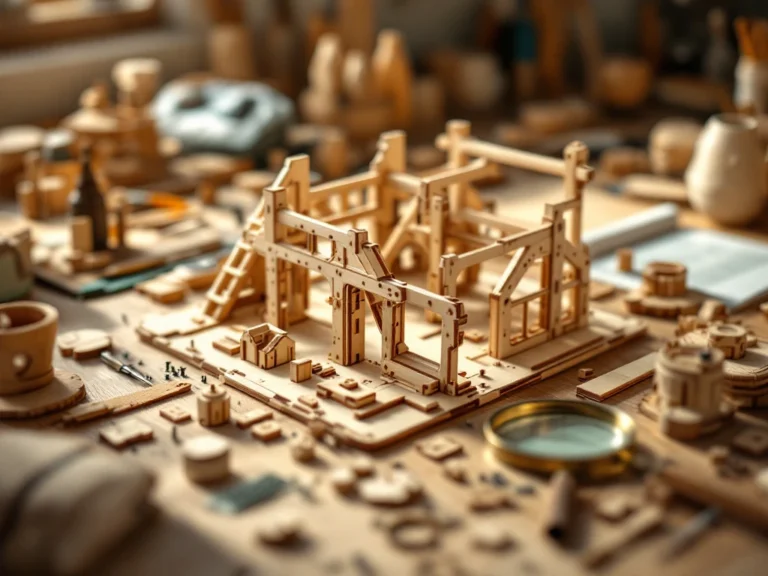
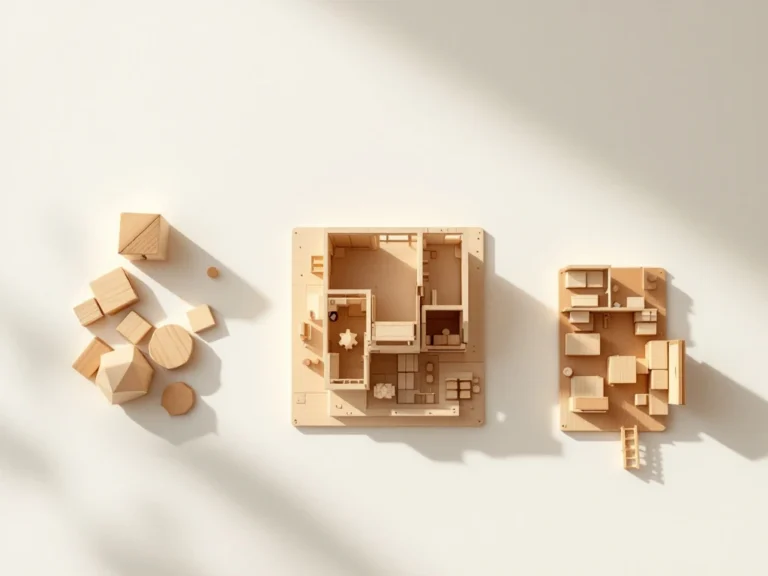
The main events are the IPMS World Championships, European model-building fairs, and national championships focused on aircraft, military vehicles, and cars. These competitions offer categories for all experience levels and a range of scales.
Which international model-making competitions can you attend in 2025?
The IPMS World Championships are the highlight of the 2025 international scale modeling calendar. This event takes place in August in Phoenix, Arizona, and attracts thousands of participants from more than 30 countries. It includes all categories, from 1/72-scale aircraft to large 1/16-scale tanks.
Various countries in Europe hold their own major events. The Telford IPMS Scale ModelWorld in November remains one of the largest scale modeling shows in the world. Germany traditionally hosts Intermodellbau in Dortmund, while France organizes the Championnats de France de Maquettisme.
For aviation enthusiasts, the World War II Aviation Model Contest in Dayton, Ohio, is particularly interesting. This event focuses specifically on historical aircraft models and offers workshops on weathering techniques and historical accuracy.
Military vehicles receive special attention at the Armor Modeling Championships, which rotate between different European cities. In 2025, the event will be held in Prague, with a focus on Eastern European military history.
How do you prepare for your first model-building competition?
Start preparing at least three months before the competition by choosing a model suited to your skill level. For your first competition, choose a simpler kit in a familiar category, such as 1/48 scale aircraft or 1/35 scale tanks. This gives you a better chance of achieving a good result without feeling overwhelmed.
Read the competition rules thoroughly and study the judging criteria. Most competitions judge build quality, paintwork, detailing and historical accuracy. Take photos of your model during the build to document your progress.
Plan your time realistically. Allow 20–40 hours of work for an average model, depending on its complexity and the level of detail you’re aiming for. Don’t start too late, as rushing leads to mistakes that can affect your score.
Invest in good materials and tools. Quality paint, fine brushes and good glue make a big difference to the end result. Practice new techniques on test models before applying them to your competition model.
Prepare for the competition day itself. Pack your model safely for transport, bring spare parts for last-minute repairs, and arrive on time to register. Most competitions have strict deadlines for submitting models.
What are the different categories in model-making competitions?
Model-making competitions divide participants according to scale, model type, and experience level. The most common scales are 1/72, 1/48, and 1/32 for aircraft, and 1/35 and 1/48 for military vehicles. Cars are often built to 1/24 or 1/25 scale.
Experience categories help ensure fair competition. Beginners usually start in the Junior or Novice category, more advanced builders in Intermediate, and experts in the Advanced or Open class. Some competitions have special categories for young people under 16.
Themed categories group models by historical period or specific subject. You’ll find categories such as “World War II Allied Forces”, “Modern Jets”, “Cold War Vehicles” and “Civil Aviation”. This classification ensures fair comparisons between similar models.
Special categories reward creativity and craftsmanship. Dioramas combine multiple models to tell a story, weathering categories focus on realistic weathering, and scratchbuilding classes are for models built entirely from scratch without commercial kits.
Judging criteria vary by category but usually include build quality, paint finish, detailing, and presentation. Some competitions use points systems, while others award gold, silver, and bronze medals based on quality levels.
Where can you find model-building materials for competition entry?
For high-quality model-making materials suitable for competition, you need specialist suppliers who guarantee quality and a comprehensive range. You need more than just the basic kit: you’ll also need professional paints, detail sets, tools, and finishing materials that make the difference between a hobby project and a competition model.
We offer an extensive range of model-building products that are perfectly suited to competition requirements. Our range includes premium model kits from renowned brands, professional acrylic paints, fine detail brushes and specialist tools for precision work.
Timing plays an important role in preparing for a competition. That’s why we offer same-day shipping until 23:30, so you can get started on your project quickly. This is useful when you need materials at the last minute or discover that you’re missing certain colors or parts.
Competition models often require several paint pots, different brushes, and additional detail sets. We offer competitive prices per product, including the latest products in our range. This way, you can order exactly what you need without having to meet a minimum order value first.
For beginners, we offer complete starter kits containing everything you need for your first competition model. Experienced model makers can find specialist materials with us, such as photo-etched detail sets, realistic decals and weathering products that can make all the difference to your final score.
Frequently Asked Questions
How long does it take to build a competition model, and when should I start?
For an average competition model, allow 30–50 hours of work spread over 2–3 months. Start at least 4 months before the competition so you have time for research, ordering materials, building, painting, and any necessary corrections. This prevents stress and rushed work that could compromise quality.
What are the most common mistakes beginners make in their first competition?
Beginners often choose overly complex models, start building too late and fail to read the competition rules carefully. They also underestimate the importance of good preparation and documentation. Choose a simpler model, allow plenty of time, and practise new techniques on test models first.
How much does it cost to enter a scale modeling competition?
Costs range from €50-200 for a local competition to €500-1500 for international events. This includes the entry fee (€10-50), model kit and materials (€30-150), travel costs and possibly accommodation. Also budget extra money for last-minute materials and protective packaging for transport.
Can I enter a model that I built earlier?
Most competitions accept only new, previously unshown models built specifically for that competition. Always check the competition rules, as some local events do allow previously built models. Document your build with photos as proof that it was constructed recently.
How do I transport my model safely to the competition?
Use a sturdy box lined with foam or bubble wrap so the model cannot move around. Temporarily remove loose parts such as antennas and bring spare parts. Drive carefully and arrive early so you have time for any on-site repairs.
What happens if my model gets damaged during the competition?
Always bring a repair kit with glue, paint and small parts. Most competitions have a repair area where you can fix minor damage. Unfortunately, major damage cannot always be repaired, so careful transport is crucial.
How can I increase my chances of winning at my first competition?
Focus on achieving a perfect basic finish rather than using complex techniques. Make sure your glue joints are clean, your coats of paint are even, and your decals are neat. Study winning models from previous years online and pay particular attention to details such as cockpit interiors and realistic colors. Consistent quality often beats spectacular but unfinished details.