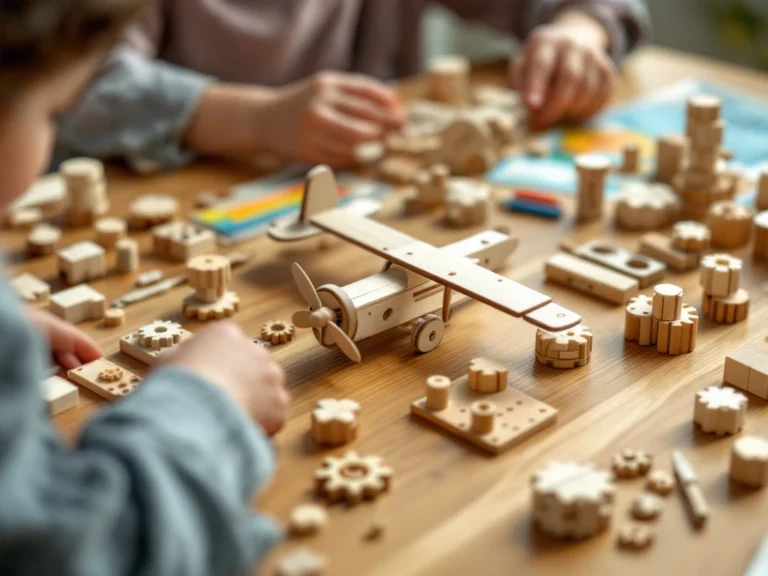
Most manufacturers use a classification system of 1 to 5 stars or level labels such as beginner, intermediate, and advanced. This classification is based on the number of parts, the complexity of the construction, and the skills required.
What are the different difficulty levels of wooden model kits?
Wooden model kits are generally divided into four main categories: beginner (1-2 stars), intermediate (2-3 stars), advanced (3-4 stars) and expert (4-5 stars). This classification helps builders choose the right level for their skills.
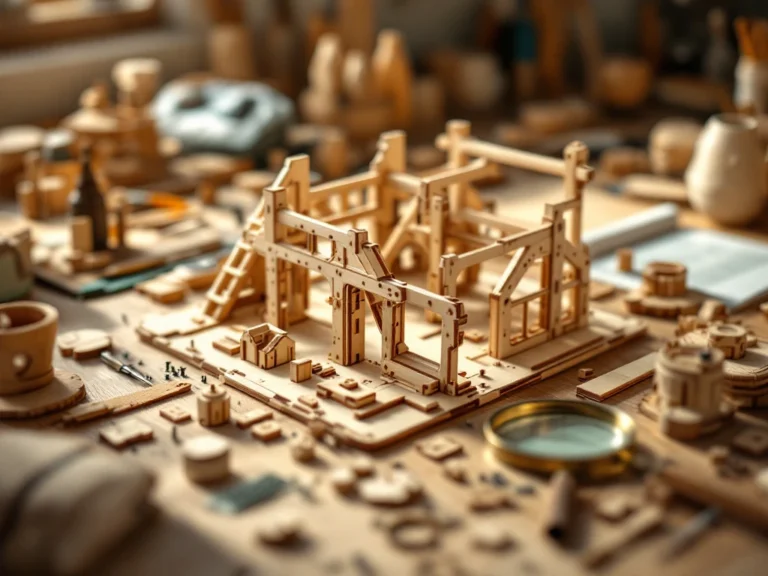
Beginner-level model kits usually contain 10-50 parts, with pre-cut pieces that fit together easily. The instructions are extensively illustrated and no special tools are required. Examples include simple birdhouses or decorative puzzles.
Intermediate model kits have 50-150 parts and introduce more complex joining techniques. They require a basic knowledge of gluing and sometimes sandpaper for finishing. Examples include working models of windmills or mechanical toys.
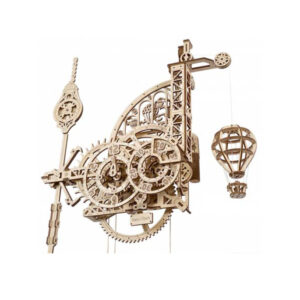
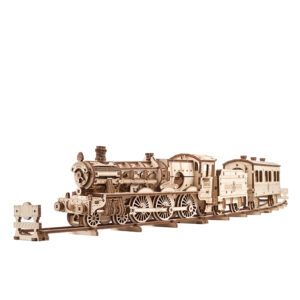
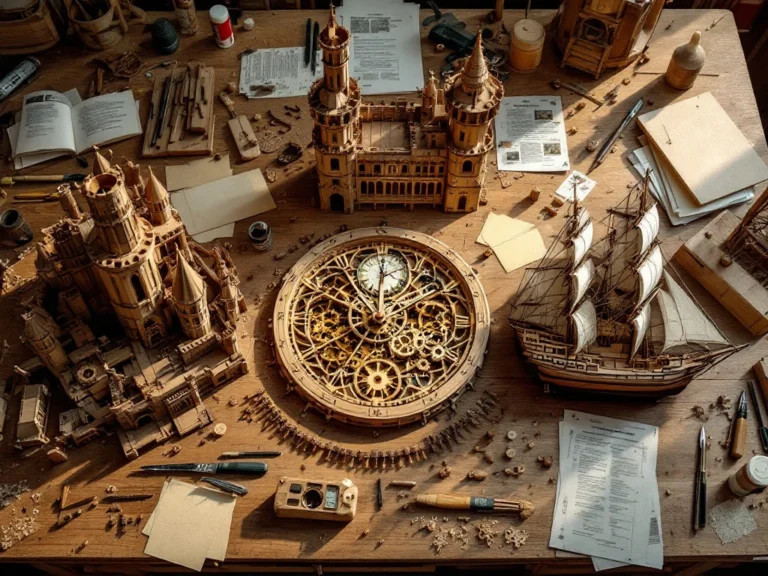
Advanced projects contain 150-500 parts with precise fits and moving parts. They require patience, precision and sometimes extra tools such as small files or drills. Architectural models and functional clocks fall into this category.
Expert-level kits have more than 500 parts and can take weeks or months to complete. They require extensive experience, specialized tools, and often the ability to solve problems independently when the instructions are less detailed.
How can you tell which difficulty level of wooden model kit is right for you?
Choose the ideal difficulty level by honestly assessing your experience, available time and desired challenge. Always start one level below what you think you can manage to avoid disappointment.
Absolute beginners are advised to start with projects that can be completed in 2-4 hours. If you already have experience with crafts or DIY projects, you can start at an intermediate level.
Be realistic about the time you have available. A beginner project takes 2-6 hours, intermediate projects 6-20 hours, advanced projects 20-60 hours, and expert projects can take 60+ hours. Spread the work over several sessions for the best results.
Consider your motivation and patience. If you enjoy following instructions carefully and aren't in a hurry, you can try a more challenging level. If you want to see results quickly, choose a simpler project.
Check which tools you already have. Beginner projects usually require only glue, while higher levels may require sandpaper, files, drills or even a Dremel.
What is the difference between beginner and advanced wooden construction kits?
The main difference lies in the number of parts, the precision of the fit and the complexity of the assembly instructions. Beginner projects are designed to help you succeed, while advanced projects offer a challenge and a learning experience.
Beginner kits usually have 10–50 large, easily identifiable pieces. All the pieces are precisely pre-cut and fit together easily. The instructions include plenty of illustrations and step-by-step photos.
Advanced model kits contain 150-500 smaller parts that require greater precision. Some parts may need to be filed or sanded for a perfect fit. The instructions are more technical and include fewer illustrations.
In terms of time investment, a beginner project takes 2-6 hours, while advanced projects can take 20-60 hours. Beginners usually work in one or two sessions, while advanced builders spread the work over several weeks.
The tools required also differ considerably. Beginners only need glue, while advanced projects often require sandpaper, files, small drill bits and sometimes paint for finishing.
The finished results clearly show the difference: beginner projects are functional and decorative, while advanced models often have moving parts, complex mechanisms or very detailed finishes.
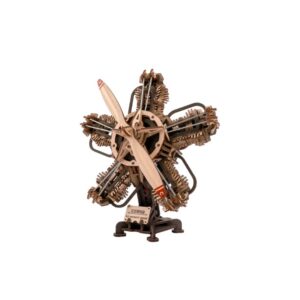
Which wooden model kits are suitable for children?
For children, age-appropriate model kits are the safest and most suitable. Children aged 6–8 can start with simple puzzles, while those aged 12 and up can tackle more complex models with supervision.
For children aged 6-8, large, thick wooden parts are ideal, with no small parts that could be swallowed. Simple animal figures, birdhouses, or decorative puzzles with 10-20 large pieces work well.
Children aged 9–11 can handle model kits with 20–50 pieces. Working models such as simple cars, boats or windmills hold their interest. Make sure they have supervision when using glue.
From age 12, children can try more challenging projects with 50-100 parts. Mechanical models, architecture projects, or functional items such as pen holders are suitable.
Safety considerations are crucial: always check for sharp edges and small parts, and use child-safe glue instead of strong industrial glue. Ensure good ventilation and work on a protected surface.
The educational value is considerable: children develop spatial awareness, fine motor skills, patience and problem-solving skills. Successfully completing projects builds self-confidence and an interest in technology.
Where can you buy wooden model kits at different levels?
For high-quality wooden construction kits at every difficulty level, specialized hobby shops are your best option, as they offer expertise and a quality guarantee. We offer a wide range for every skill level.
Specialist stores have the advantage of product knowledge and personal advice. They can help you choose the right level and offer tips for successful building. They also often offer warranties and returns.
Online specialist shops combine a wide selection with expert advice. They usually have detailed product descriptions, customer reviews and clear difficulty ratings. Same-day shipping ensures fast delivery.
When choosing a supplier, look for certifications such as Thuiswinkel Waarborg, which guarantee reliability. Check the returns policy and customer service, which are especially important for more complex projects.
Our model-building range covers all difficulty levels, from simple beginner projects to challenging expert models. For specific wooden model kit advice and quality products, you can count on our expertise and fast delivery until 23:30 for next-day delivery.
Quality and reliability are essential when it comes to wooden model kits. Good suppliers offer automatic discounts on multiple purchases and have comprehensive FAQ sections for product support, helping ensure your project is a success.
Frequently Asked Questions
What happens if I lose or break a part of my wooden construction kit while building?
Most specialist suppliers offer replacement parts for their model kits. Contact the seller with the item number and a photo of the missing part. With high-quality brands, you can often order individual parts, while cheaper kits sometimes require you to buy a whole new kit.
How can I prevent my wooden model kit from becoming crooked or unstable during assembly?
Always work on a flat surface and check after each step that all joints are square and secure. Use a try square to check right angles, and let the glue dry completely before moving on. For more complex models, it’s a good idea to test-fit the parts before gluing them permanently.
Can I take a wooden model kit apart again if I’ve made a mistake?
This depends on the type of glue you used. With water-soluble wood glue, you can often carefully loosen the joints with a damp cloth. With PVA glue or strong wood glue, this usually isn’t possible without damaging the wood. That’s why it’s important to read the instructions carefully before gluing.
What is the best glue for wooden model kits, and why?
For most wooden model kits, PVA wood glue (white wood glue) is ideal because it dries strong, dries clear and is easy to use. For children's projects, children's glue is safer but less strong. Avoid superglue unless specifically recommended, as it dries too quickly and leaves no room for adjustments.
How long should I let my completed wooden model kit dry before I can use or move it?
Let your project dry completely for at least 24 hours after the final gluing step. For moving parts or load-bearing structures, 48–72 hours is recommended. Carefully test the strength of the joints before moving the model. Drying may take longer in humid weather.
What should I do if the parts of my model kit don't fit properly despite careful assembly?
First, check that you are using the correct parts according to the instructions. For small fit discrepancies, you can carefully sand the parts with fine sandpaper (220-grit). Larger discrepancies may indicate a manufacturing defect—in that case, contact the supplier for a replacement kit or parts.
Can I personalize my wooden model kit with paint or decorations?
Yes, most wooden model kits can be treated with acrylic paint, stain or varnish once assembled. Lightly sand the surface first with fine-grit sandpaper for better adhesion. Water-based paints that let the wood breathe are preferable, and always wait until all the glue has dried completely before you start painting.