
Blogs
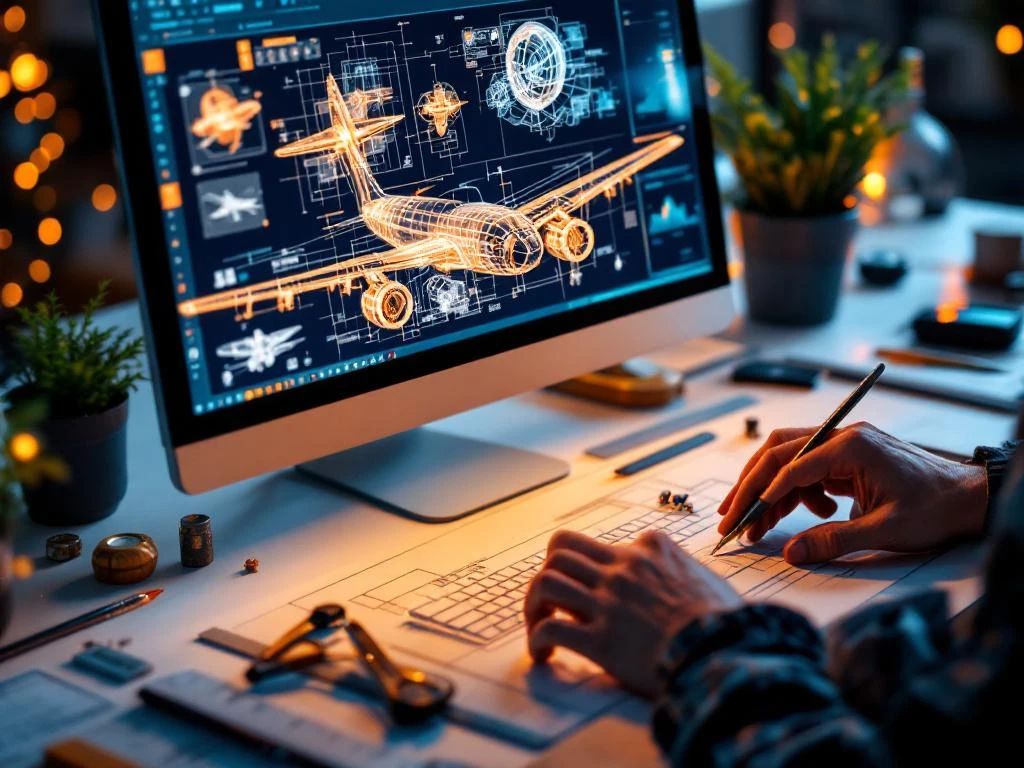
What software should you use to design scale models?
For designing models, you can use different types of software, from free CAD programs such as Fusion 360 and Tinkercad to professional 3D modeling software such as SolidWorks and Rhino 3D. Your choice depends on your experience, budget, and project type. Free options are perfect for beginners, while paid software offers more advanced features for complex projects. There are several excellent free software solutions available for designing models. Fusion 360 offers a free version for hobbyists with professional CAD functionality, while Tinkercad is perfect for beginners thanks to its intuitive interface. Fusion 360 Personal is free for non-commercial use and includes all the key features for creating detailed … Read more
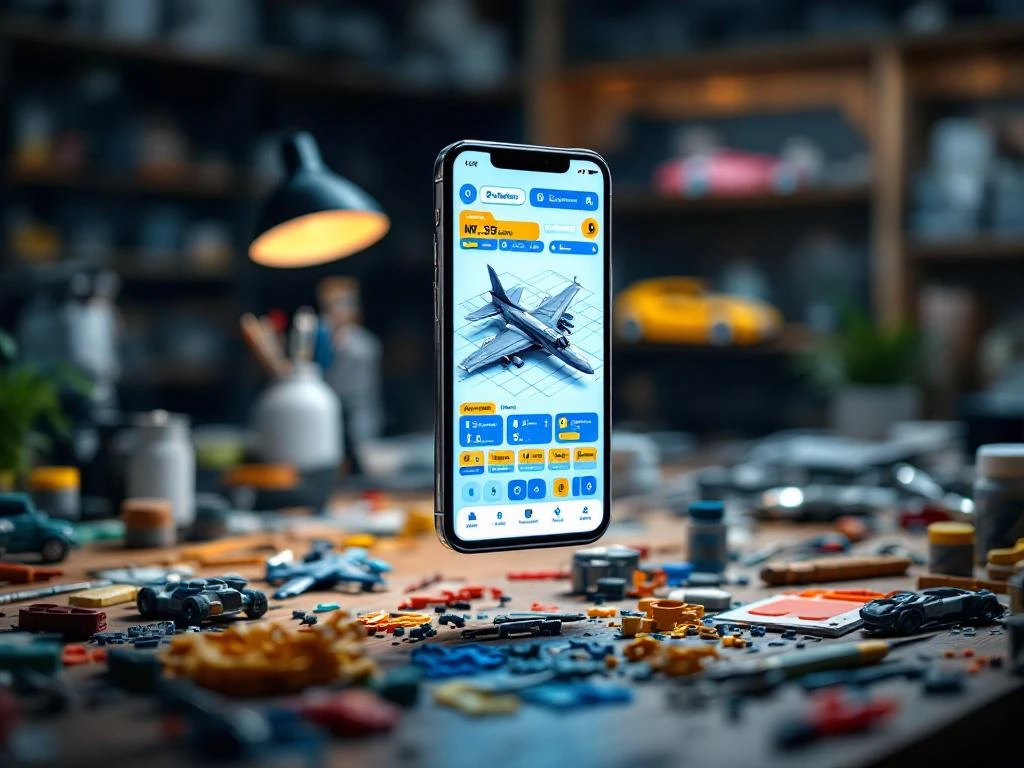
What are the best model-making apps for smartphones?
The best model-building apps combine ease of use with practical features such as project planning, 3D design and step-by-step instructions. Free options like SketchUp Free and Tinkercad are perfect for beginners, while apps like Fusion 360 and Blender offer advanced features. These apps help you plan projects, create materials lists and track your progress as you build. For beginners, SketchUp Free, Tinkercad and FreeCAD are the most accessible free apps. These programs offer simple interfaces with basic features for 3D design and project planning. You can work directly in your browser without complex installations. SketchUp Free works entirely online and has an intuitive interface … Read more
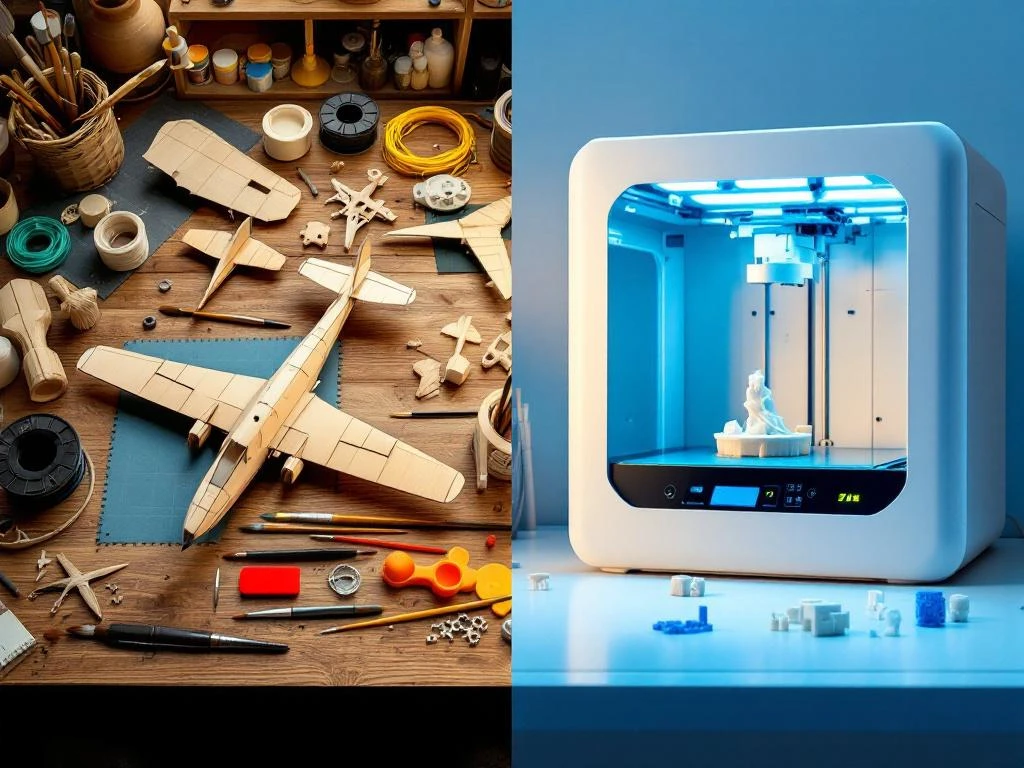
How to combine 3D printing with traditional model building?
Combining 3D printing with traditional model building gives you the best of both worlds. You can use modern printing technology for complex parts and traditional techniques for details and finishing. This hybrid approach saves time, reduces costs and opens up new creative possibilities. You can make more precise parts while retaining the authentic look of classic model building. Combining 3D printing with traditional model building gives you more flexibility and precision than either technique on its own. You can print complex geometries that would be impossible to make by hand, while using traditional materials for realistic textures and finishes. The cost savings are considerable, especially … Read more
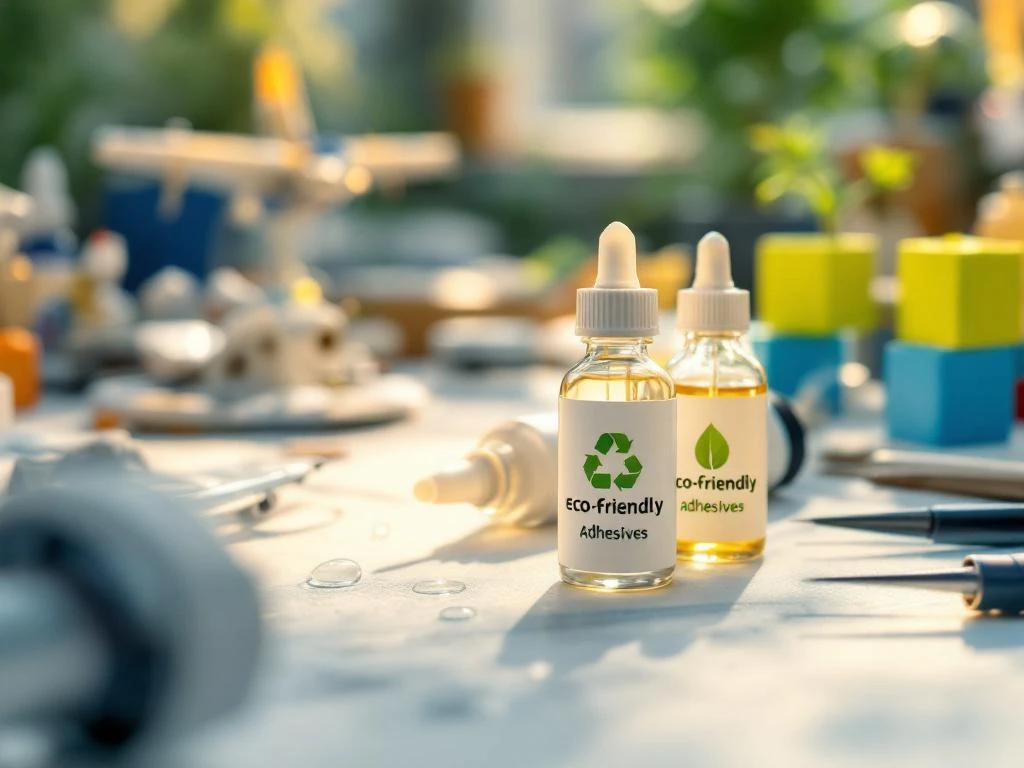
Which eco-friendly glues are available for model making?
Eco-friendly adhesives for model building are adhesives made from natural ingredients, contain few harmful substances, and are biodegradable. They include water-based PVA adhesives, plant-based adhesives made from natural resins, and adhesives with low VOC emissions. These eco-friendly alternatives offer performance comparable to traditional adhesives but are better for the environment and your health while building models. An adhesive is environmentally friendly when its ingredients are natural, it releases few harmful fumes, and it is biodegradable after use. Eco-friendly adhesives contain plant-based ingredients instead of synthetic chemicals and often come in recyclable packaging. The main difference is in VOC emissions (volatile … Read more
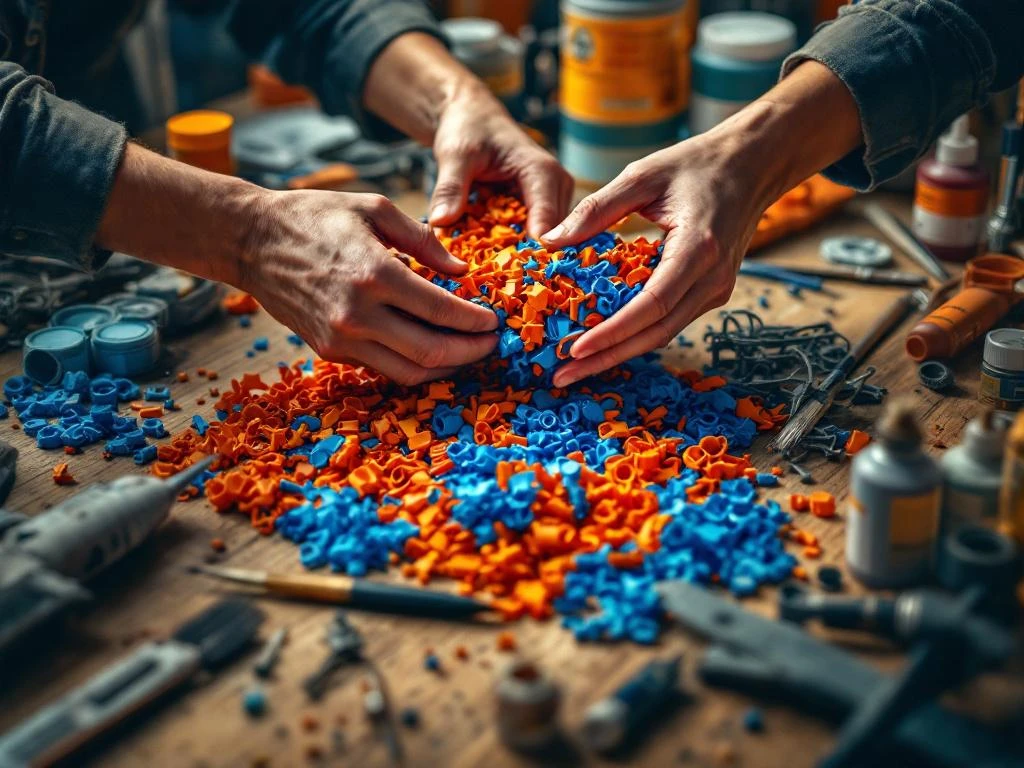
How do you recycle old model-making materials?
You can recycle old model-building materials by sorting them by material type and cleaning them before taking them to the appropriate collection points. Plastic parts, metal frames, and cardboard packaging are usually recyclable, while paint and glue residue often require special treatment. This helps you manage your model-building hobby responsibly and reduce waste. Most model-building materials are recyclable, but not all in the same way. Plastic parts such as sprue frames, leftover pieces, and failed prints can usually go in the plastic recycling bin. Metal parts from aircraft models or trains belong in the metal recycling bin. Cardboard boxes … Read more

What are the best YouTube channels for scale modeling?
The best YouTube channels for model building offer a combination of clear explanations, practical tutorials and inspiring projects. For beginners, channels such as Plasmo and QuickKits are ideal thanks to their step-by-step instructions. Dutch channels such as Modelbouw Nederland and international channels such as Night Shift Scale Models offer valuable content for all skill levels. For beginners, Plasmo and QuickKits are excellent starting points because they break down complex techniques into manageable steps. These channels explain basic techniques such as preparing parts, using glue and applying base coats. They take the time to show each process step by step. Plasmo is known for its … Read more
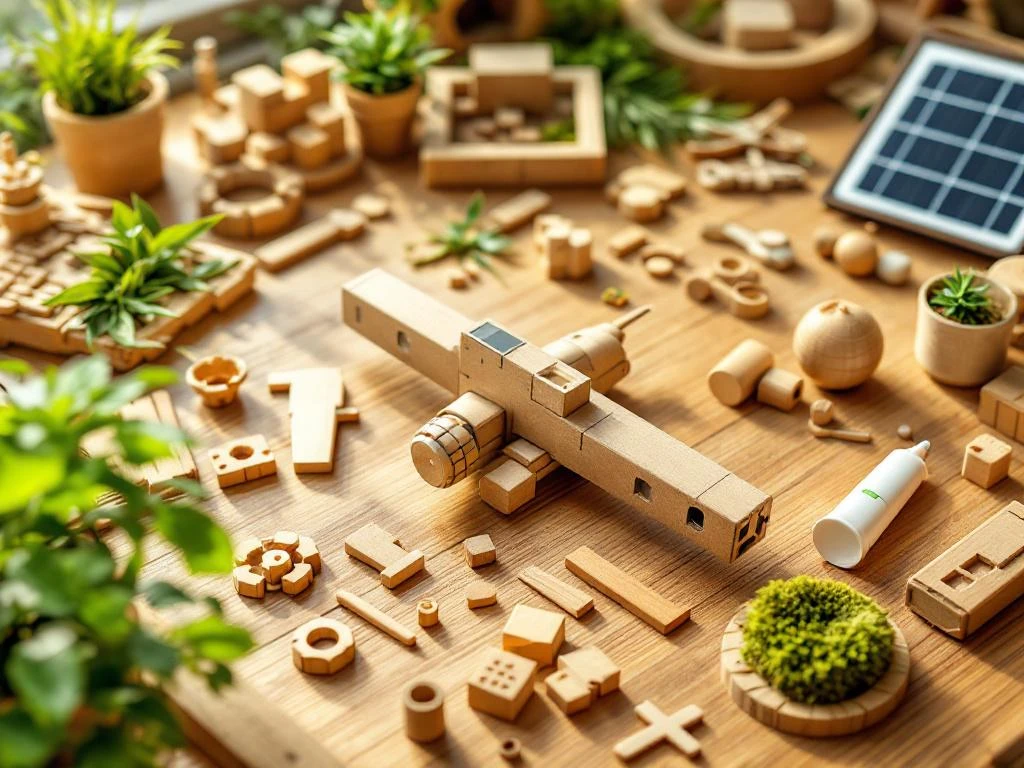
What are sustainable options in model building?
Sustainable model building combines your hobby with environmentally conscious practices through the use of eco-friendly materials, reusing parts, and choosing brands that invest in sustainable production. You can improve existing projects by making thoughtful choices about paint, glue, and parts, while giving old models a second life through creative repurposing. The most environmentally friendly materials for model building are FSC-certified wood, recycled plastic, biodegradable plastics, and natural alternatives such as bamboo and cork. These materials have a lower environmental impact than traditional plastics and often offer comparable or better performance. FSC-certified wood comes from sustainably managed forests … Read more
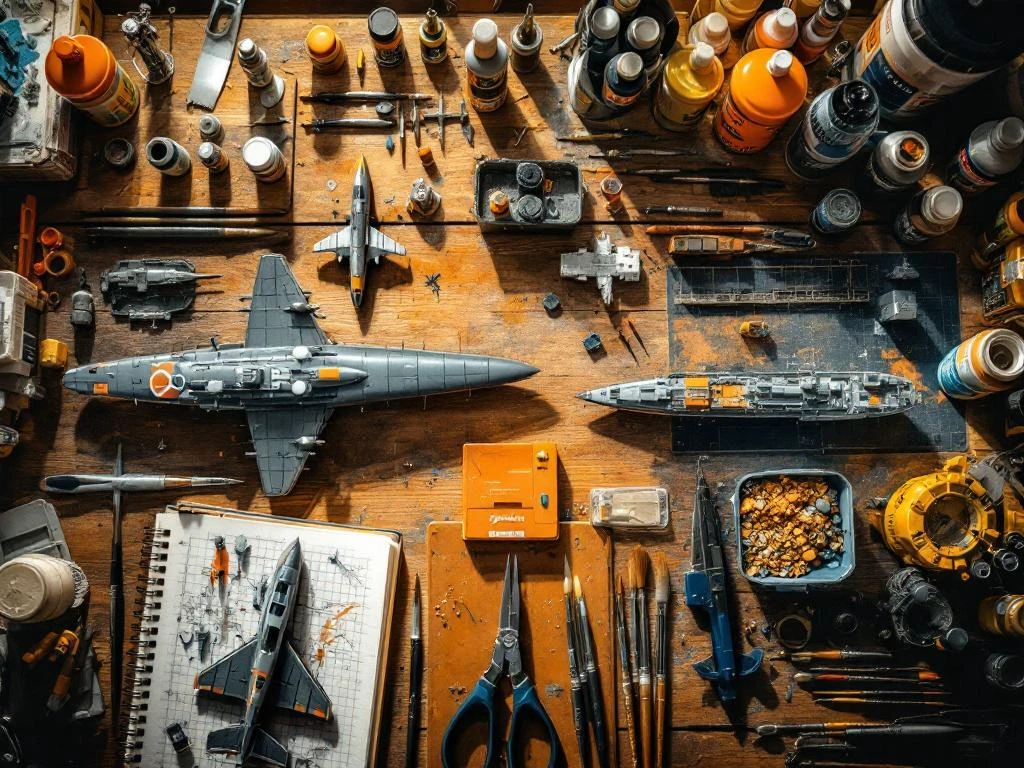
Which model-building communities are active in the Netherlands?
The Netherlands has a thriving model-building community, with various associations and clubs throughout the country. You’ll find local hobby clubs, specialist clubs for aircraft, cars, trains, and ships, as well as active online communities. From large national organizations to smaller regional groups, there’s a community for every model builder to share knowledge and build together. Dutch model-building communities include local associations, online groups, specialist clubs for each category, and hybrid communities that are active both online and offline. Each type has its own benefits and focuses on different aspects of the model-building hobby. Local associations form … Read more
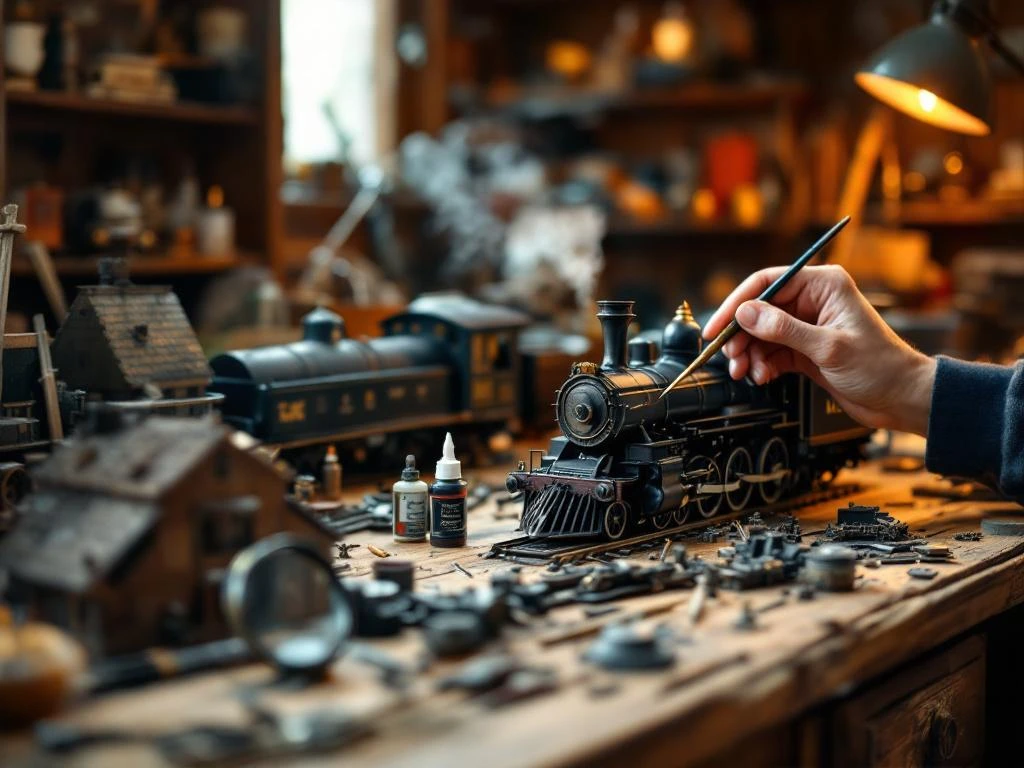
How to restore antique model kits
Restoring antique model kits requires the right materials and techniques. You’ll need cleaning products, glue, paint, and tools for a successful restoration. Start by cleaning the model carefully, assess which parts need replacing, and restore the original colors with suitable paint. With patience and the right approach, you can get your old model back into top condition. For a successful restoration, you’ll need cleaning products, model glue, acrylic paint, and fine tools. Make sure you have cotton swabs, soft brushes, toothbrushes, tweezers, and a craft knife. Don’t forget sandpaper, primer, and protective varnish. Start by gathering the basic supplies. Mild soap or a special plastic cleaner … Read more
What insurance is available for valuable model-building collections?
There are several insurance options available for valuable model-building collections. Your standard home contents insurance provides basic coverage, but often has limits for valuable items. For collections worth more than €2.000-€5.000, you usually need additional insurance. Specialist options such as fine art insurance or hobby insurance offer more comprehensive protection against theft, fire, and damage. Your standard home contents insurance usually covers model-building collections up to a certain amount per item. Most insurers set limits of €2.000 to €5.000 per item without additional declaration. For damage caused by fire, storms, burglary, or water leaks, you will be reimbursed according to the general terms and conditions. However, the coverage has limitations you need to take into account. Many … Read more
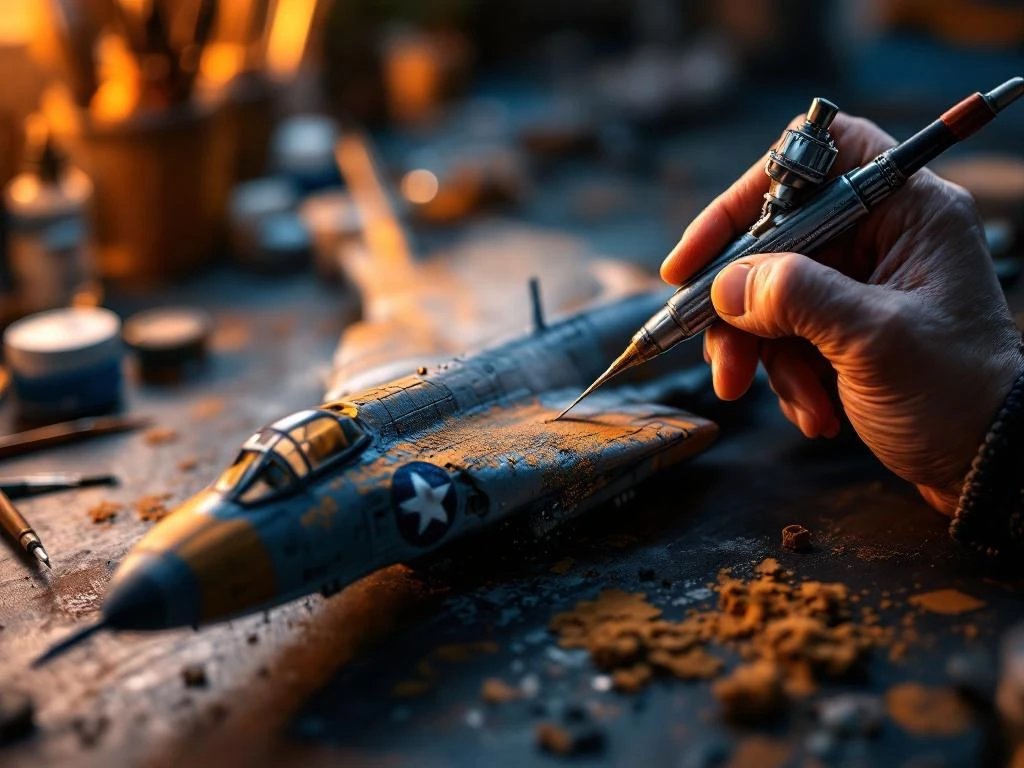
What special effects can you apply to models?
Special effects transform ordinary model kits into realistic miniatures with character and a story. You can use weathering techniques, rust effects, wear and aging to give your models an authentic look. These techniques range from simple dry brushing for beginners to advanced corrosion effects for experienced model builders. With the right materials and techniques, you can create convincing details that bring your models to life. Dry brushing, washing and stippling are the three best weathering techniques for beginners in model building. These methods deliver immediately visible results without expensive materials or years of experience. All you need is basic paint, brushes and a little patience … Read more
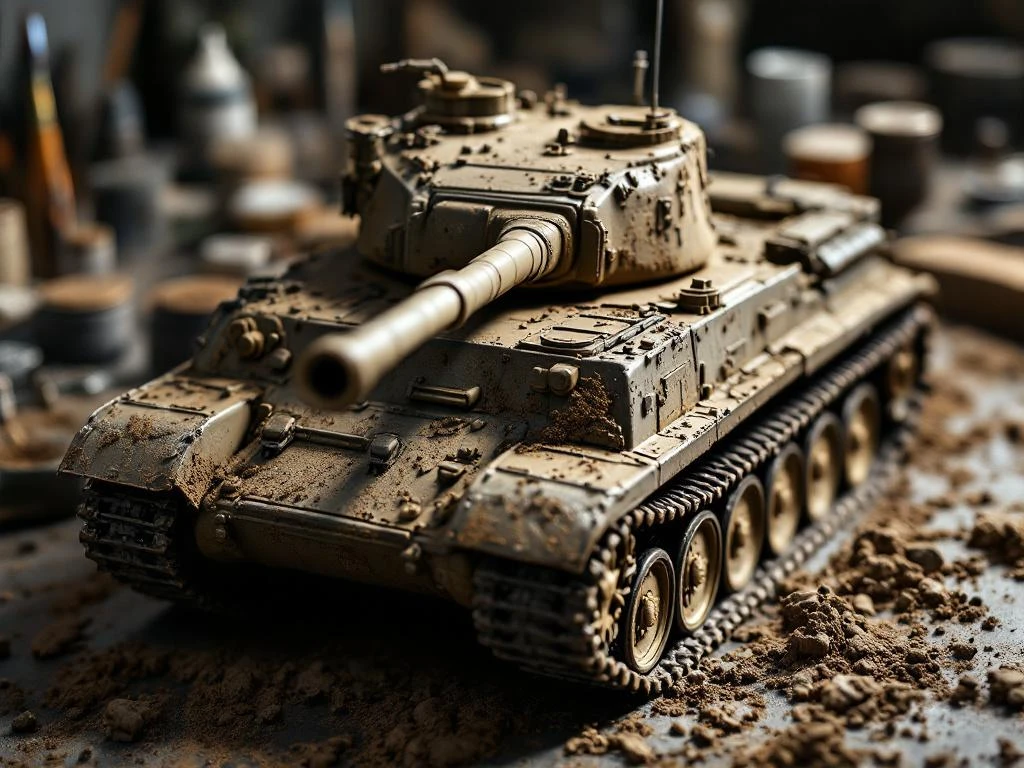
How to create realistic mud effects on tank models?
Creating realistic mud effects on tank models requires the right materials, techniques, and a good eye for detail. Start by gathering pigment powders, acrylic paint, and texture paste, prepare your model carefully, and build up the mud layer by layer using different techniques for wet, dry, and splattered mud. Pay particular attention to natural color variations and place the mud where it would logically accumulate, such as around the tracks, in corners, and on horizontal surfaces. For convincing mud effects, you need a combination of pigment powders, acrylic paint, texture paste, and natural materials. Together, these materials form the basis for every realistic mud effect on your … Read more
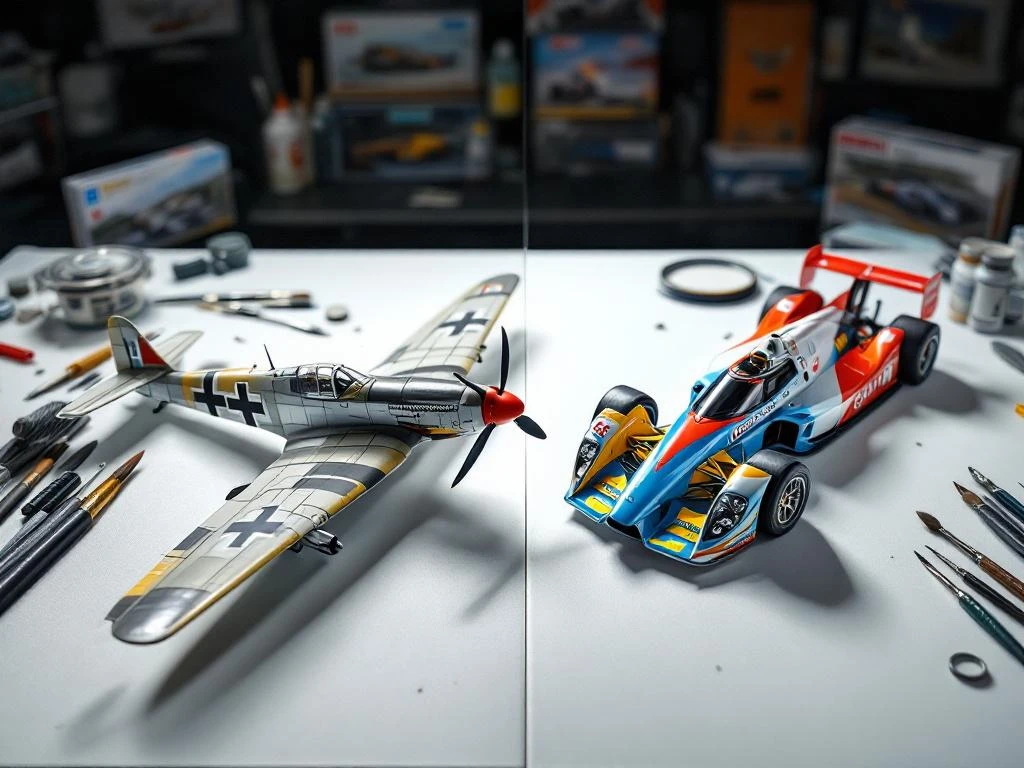
What is the difference between Revell and Tamiya model kit brands?
Revell and Tamiya are two of the best-known brands in the model-building world, but they differ considerably in their approach and philosophy. Revell, the German brand, focuses on accessible model building with a wide range and affordable prices, while Japanese brand Tamiya is known for its superior quality, precision, and innovative techniques. The main difference lies in the balance between price and quality: Revell offers value for money with models that are easier to build, while Tamiya stands out for its exceptional fit, fine details, and advanced kits, which often come with a higher price tag. The differences between Revell and Tamiya are immediately noticeable … Read more
63 articles found