
Blogs

How much does it cost to get started with model building?
Getting started with model building costs between €15 and €50, depending on the complexity of your first project. For a basic set with a simple model, glue, and a hobby knife, you can get started for as little as €15. Snap-fit models are ideal for beginners because they don't require glue or special tools. If you're more ambitious, expect to spend €30-50 on a more comprehensive starter set with extra tools and a more complex model. To get started with model building, you need at least a model kit, glue, and a hobby knife. A basic set costs between €10 and €25, depending on the type of model and … Read more

What is the best glue for model building?
The best model glue depends on the material you’re using and the type of project you’re working on. For plastic models, plastic cement is often the best choice because it creates a chemical bond by melting the plastic. For quick repairs or joining different materials, super glue works very well. Wooden models require wood glue or PVA glue, while contact adhesive is perfect for large surfaces. Choosing the right glue is what makes the difference between a professional result and visible glue seams or weak joints. In the world of model building, you’ll come across various types of glue, each with its own specific properties … Read more
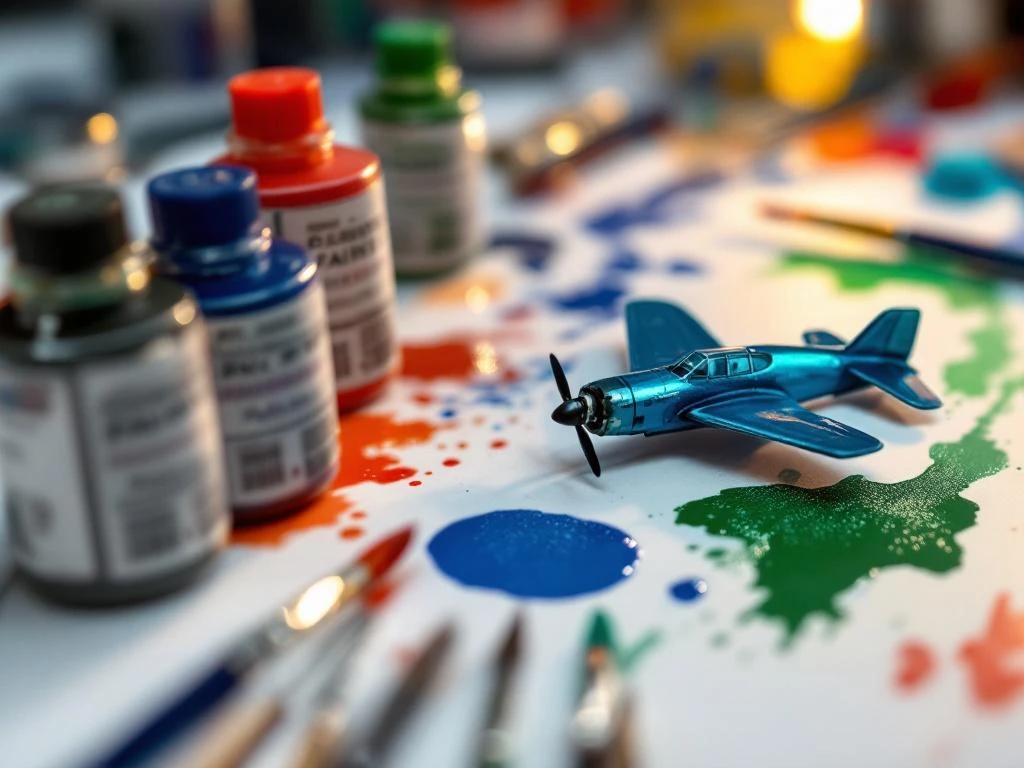
Which paint should you use for model building?
For scale modeling, you mainly use three types of paint: water-based acrylic paint, oil-based enamel paint and specialist modeling paints. Acrylic paint is the most popular because it dries quickly, has little odor and is easy to clean with water. Enamel paint provides a more durable finish but requires better ventilation. The choice depends on your project, experience and workspace. There are three main categories of paint you can use for scale modeling. Water-based acrylic paint is the most commonly used option, especially among beginners and hobbyists who work at home. This paint dries within 20-30 minutes, has very little odor and you can simply clean your brushes with water. Oil-based enamel paint … Read more

How long does it take to build a ship model?
Building a ship model can take anywhere from a few hours to hundreds of hours. For a simple beginner ship model, allow 10 to 30 hours, spread over several building sessions. Complex historical sailing ships can take months or even years. The main factors that determine the build time are the size, level of detail, number of parts, and your own experience with model building. How long it takes to build a ship model depends on several factors that influence one another. The most important factor is the model’s size – a 20-centimeter ship takes much less time to build than a model of a … Read more
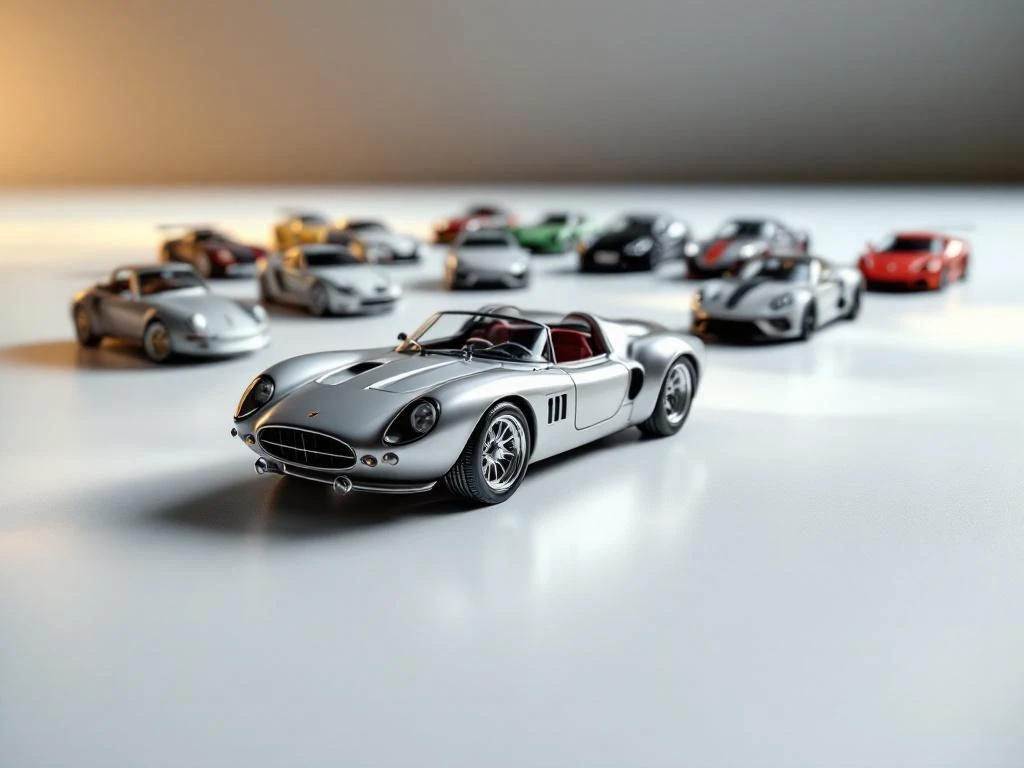
Which scale is the most popular for car modeling?
The most popular scale for car modeling is 1:24, followed by 1:18 and 1:43. Scale 1:24 offers the perfect balance between size, detail, and affordability, making it ideal for both beginners and advanced modelers. This scale means the model is 24 times smaller than the real vehicle, resulting in models about 15–20 cm long. The three most popular scales in car modeling are 1:18, 1:24, and 1:43. These numbers indicate the ratio between the model and the real vehicle. For example, at 1:24 scale, the model is 24 times smaller than the actual car. A model car … Read more

Which model kit brands are the best?
The best model-building brands are Revell, Tamiya, Airfix and Italeri. These brands are known for their excellent quality, reliable fit and clear instructions. Revell offers a wide range for all skill levels, Tamiya is known for its perfect detailing, Airfix has great starter sets for beginners, and Italeri excels at historical models. The choice depends on your experience, budget and the type of model you want to build. The most popular model-building brands are without a doubt Revell, Tamiya, Airfix and Italeri. These four giants have dominated the market for decades and built their reputation by consistently delivering high-quality products. Revell may well be … Read more
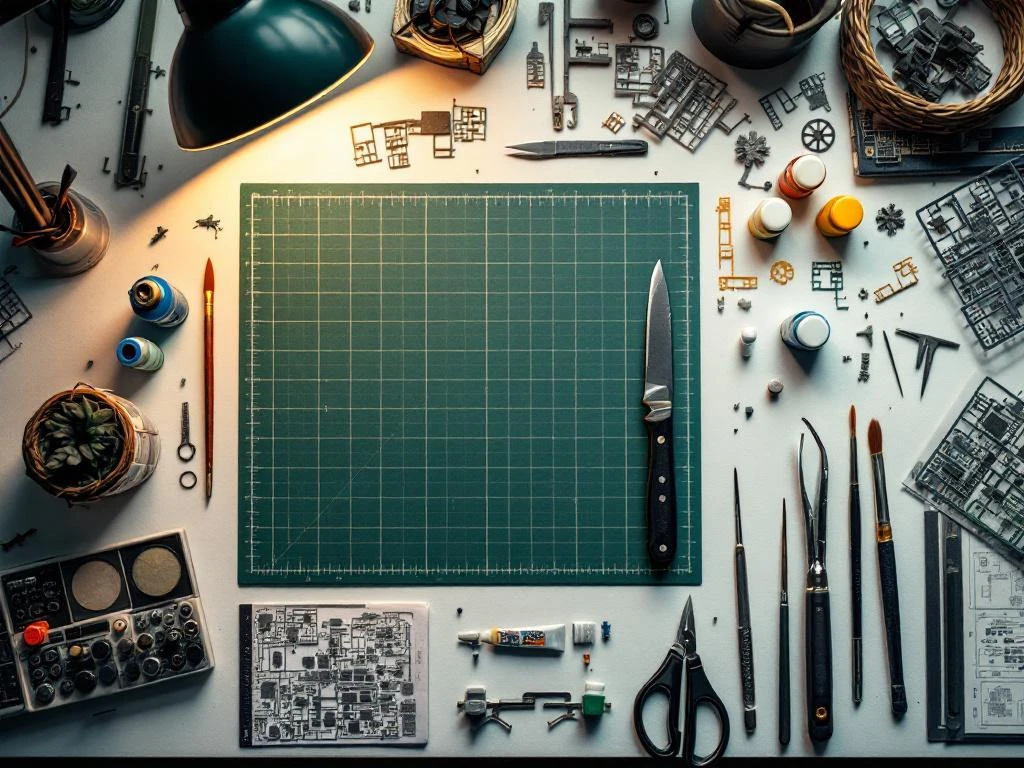
What do you need to get started with model building?
To get started with model building, you’ll need a few basic supplies: good tools, the right glue and paint, a suitable model kit, and a practical workspace. The most important tools are a hobby knife, tweezers, side cutters, files, sandpaper, and a cutting mat. For beginners, acrylic paint and plastic cement are ideal choices. Choose a model kit that suits your skill level and interests, and set up a well-lit workspace with good ventilation. You’ll need at least six basic tools for model building: a hobby knife, tweezers, side cutters, files, sandpaper, and a cutting mat. These tools are the foundation for almost any model-building project and help you … Read more
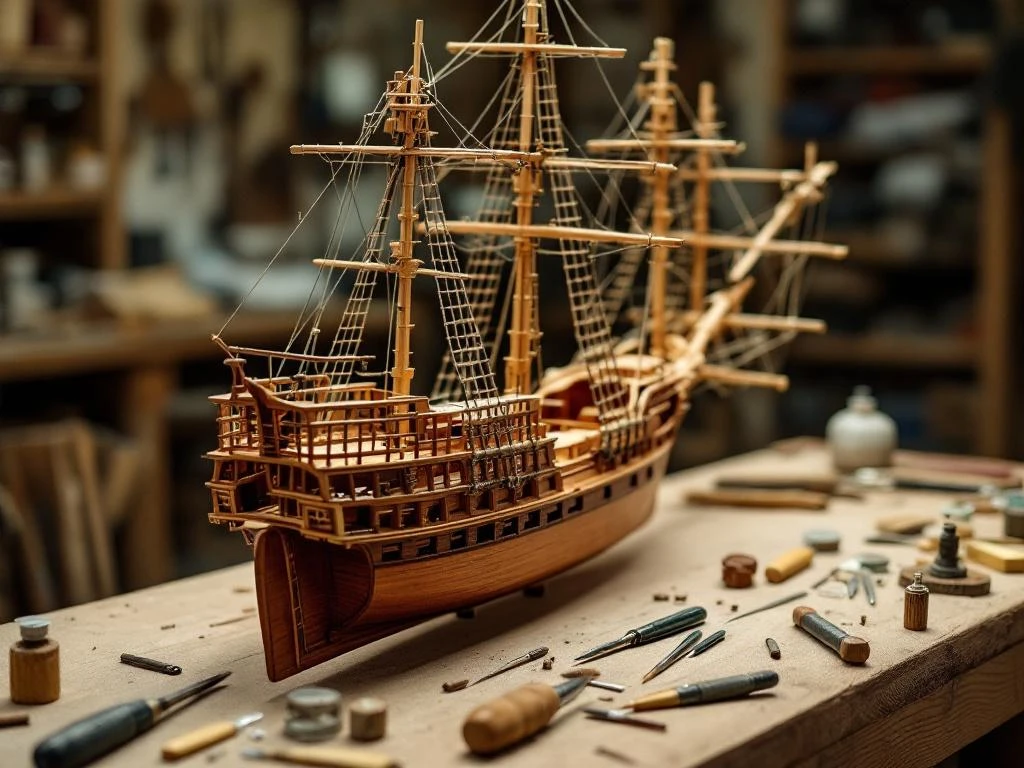
What is ship modeling?
Ship modeling is the hobby of accurately recreating scale models of ships, from historical sailing ships to modern cargo ships and warships. This fascinating activity combines technical skill, historical interest, and creative expression. You can choose between static display models made purely for show and working RC models that can actually sail. Scales usually range from 1:50 to 1:700, with each level of detail bringing its own challenges and rewards. Ship modeling is a hobby in which you recreate scale models of real ships with an eye for detail and historical accuracy. These models can range from simple plastic kits to complex wooden constructions that take months to complete. … Read more
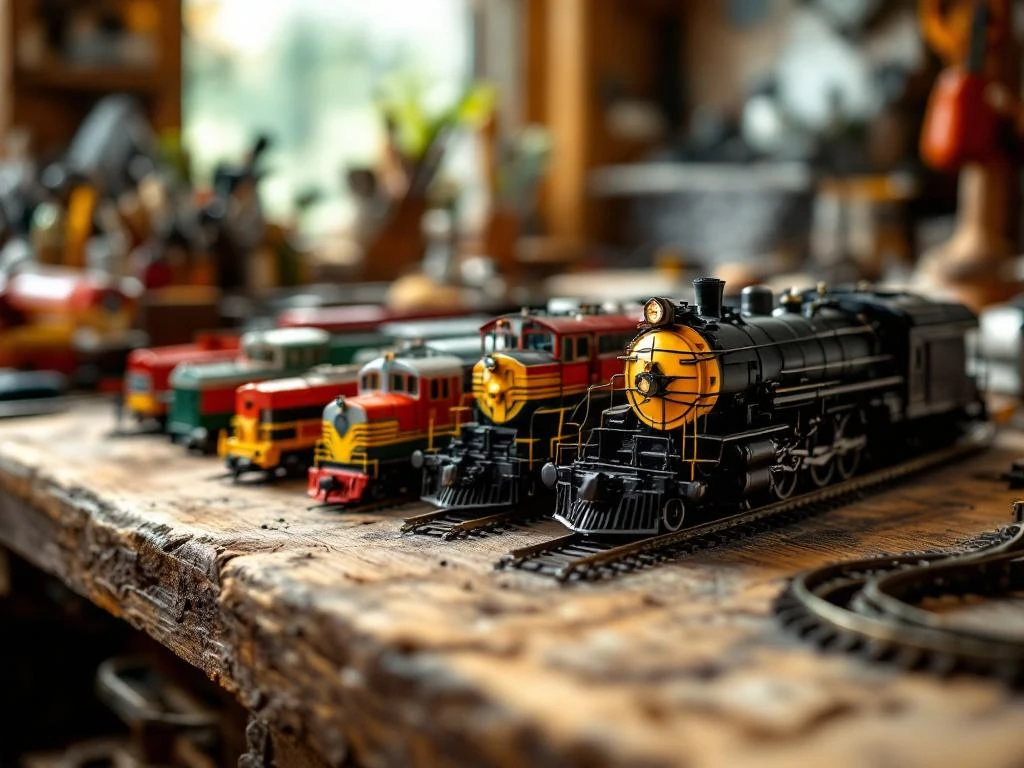
Which scale should you use for railway modeling?
The most commonly used scales for model railways are H0 (1:87), N (1:160), TT (1:120), and Z (1:220). In the Netherlands and Europe, H0 is by far the most popular scale, with approximately 60% market share, followed by N scale at 25%. The choice of scale depends on your available space, budget, desired level of detail, and personal preference. For beginners, H0 is often the best choice because materials are widely available and it is easy to handle. Four scales dominate the world of model railways: H0 (1:87), N (1:160), TT (1:120), and Z (1:220). H0 is by far the most popular scale in the Netherlands and the rest … Read more
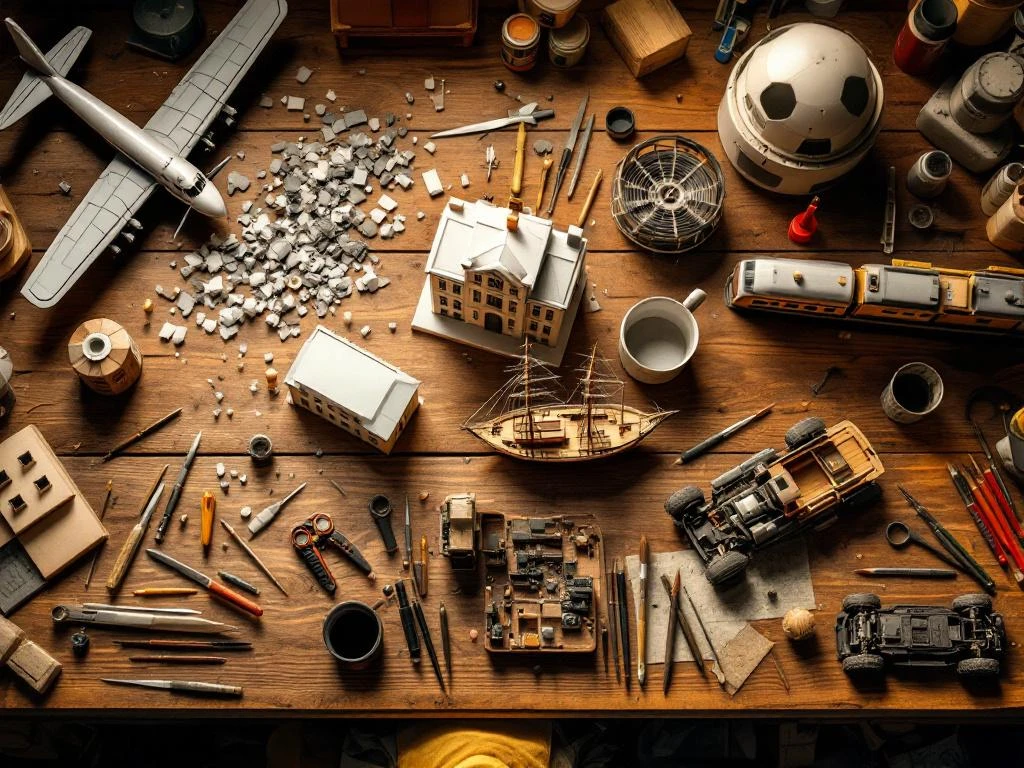
What types of model building are there?
Scale modeling includes various categories such as aircraft, cars, ships, trains and military vehicles. The most popular types are plastic kits for beginners, wooden models for more experienced builders, and metal kits for specialists. You can choose the right kit by considering your experience level, the time you have available and the number of parts. Snap-fit models are ideal for children, while adults often choose detailed glue-together models. The five most common scale modeling categories are aircraft models, car models, ship models, train models and military vehicles. Each category has its own characteristics and appeals to different audiences. Aircraft models are especially popular with history and technology enthusiasts. These models range from simple propeller planes to complex fighter jets. … Read more
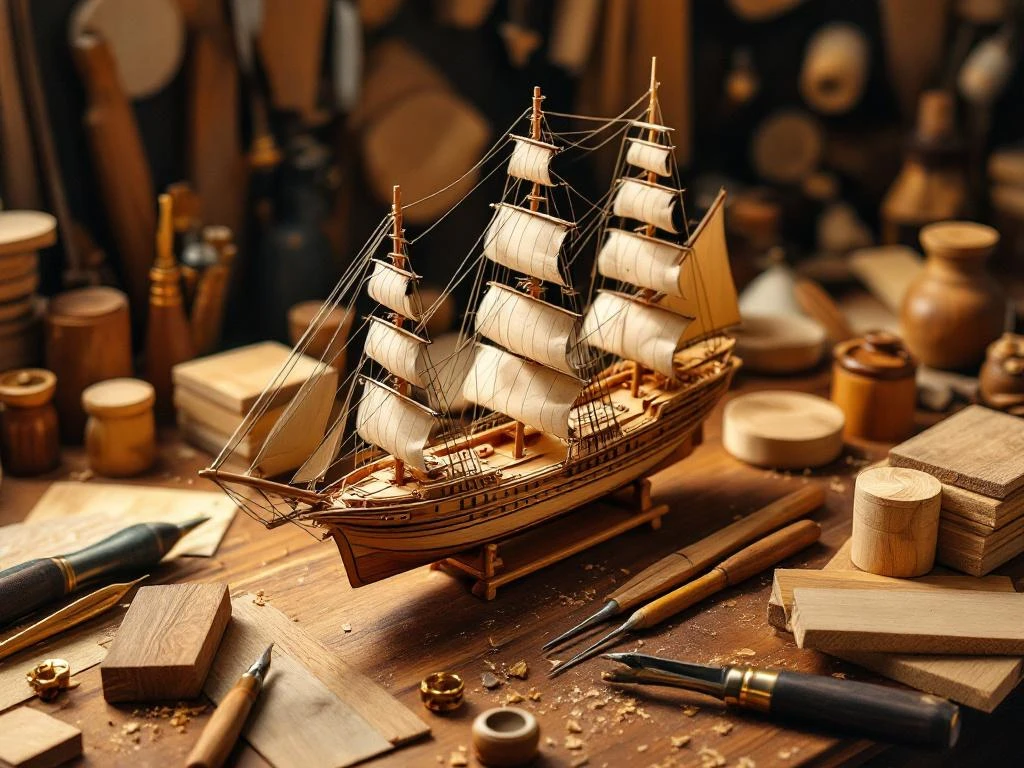
What types of wood are used for ship modeling?
For ship modeling, you use different types of wood, each with unique properties. The most popular choices are balsa for beginners because of its light weight and ease of working, limewood for fine details, mahogany and walnut for structural parts, and birch for general use. Your choice depends on the part you are making, your experience and the desired level of detail in your model. The five most commonly used types of wood in ship modeling are balsa, limewood, mahogany, walnut and birch. Each of these types of wood has specific properties that make it suitable for different parts of your ship model. Balsa is known for its extremely light weight and soft structure, which makes … Read more
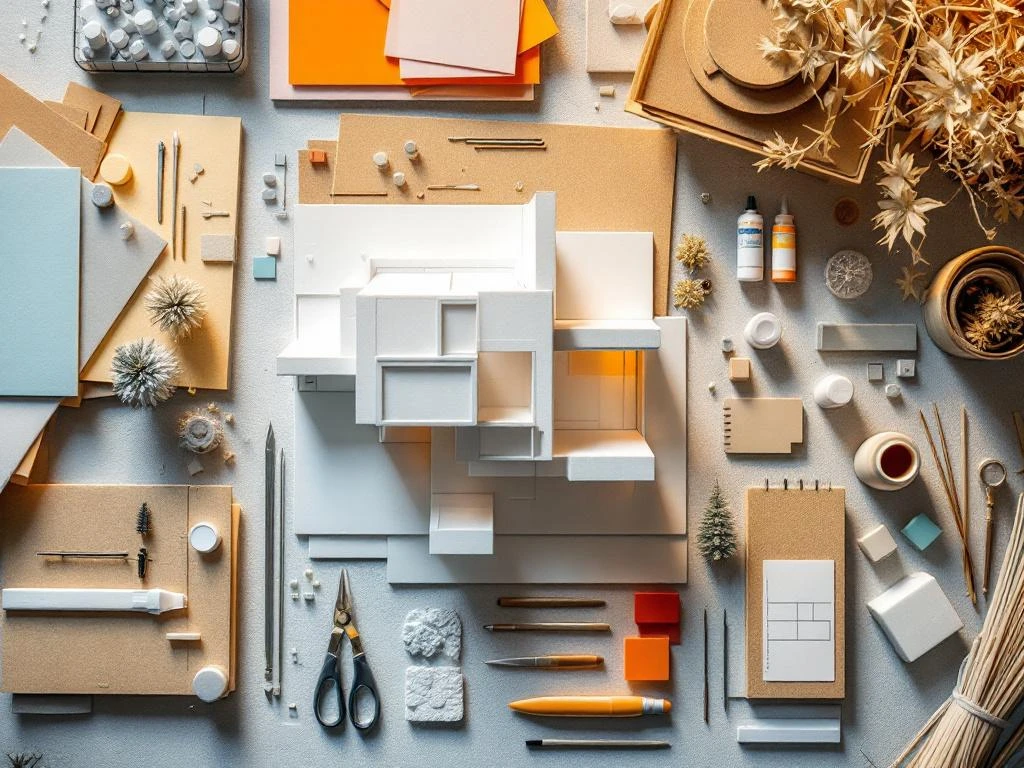
Which materials do you use for architectural model making?
For architectural model making, you use various materials, each with specific properties. The most popular are cardboard, foam board, wood, plastic and paper. Cardboard is accessible and easy to work with, foam board offers strength while remaining lightweight, wood gives a professional look, plastic ensures durability and detail, while paper is perfect for fine details. Your choice depends on your experience, budget, the scale of the model and the desired level of detail. The five most commonly used materials for architectural model making are cardboard, foam board, wood, plastic and paper. Each material has unique properties that make it suitable for different projects and experience levels. Cardboard is … Read more
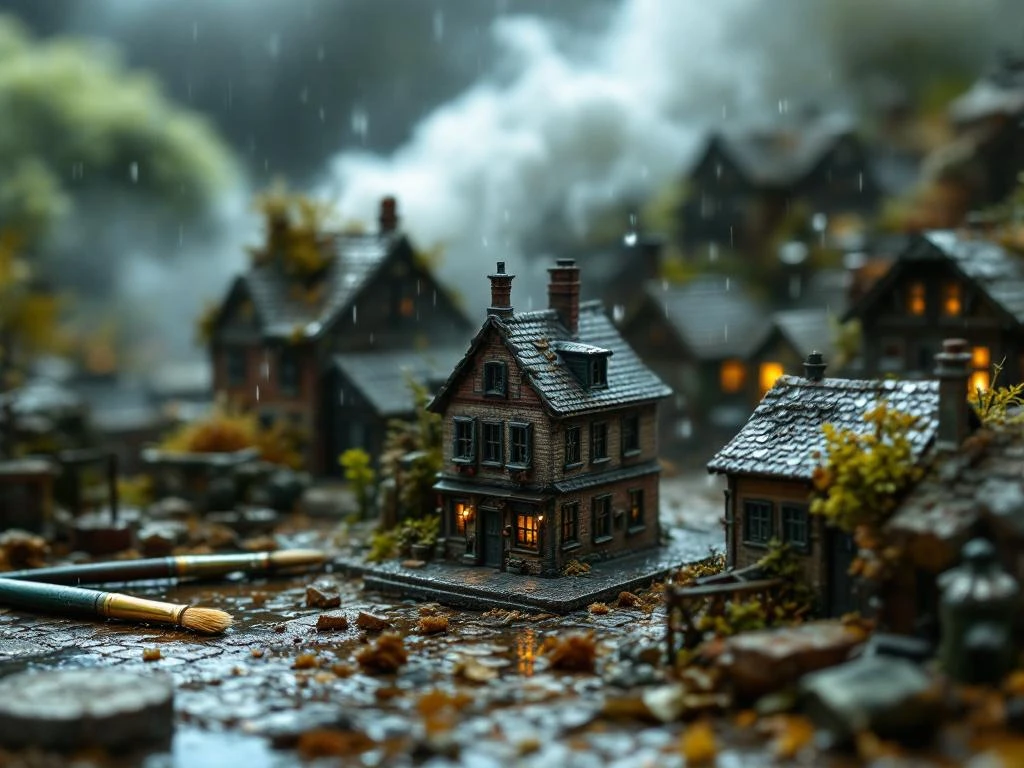
How to create realistic weathering effects for model making?
Creating realistic weathering effects for your model building starts with choosing the right techniques and materials. The most important effects are snow, rain, mud, rust, and general weathering, which you can create with simple materials such as baking powder, pigment powders, and texture paste. With the right approach and a little practice, you can transform any model into an authentic-looking miniature artwork that seems to have stood the test of time. The most commonly used weathering effects in model building are snow, rain, mud, rust, and weathering. These five basic effects form the basis for almost any realistic weather simulation. Snow creates wintry scenes, rain creates wet surfaces and puddles, mud … Read more
181 articles found