

-
 Dave Vinke
- Leestijd: 5 min
- Laatst geüpdatet: 15/10/2025

Wooden building kits rank among the most valued hobby projects due to their natural appeal, durability, and the satisfaction that comes from working with traditional materials. The highest-rated sets combine challenging construction with beautiful end results. Mechanical puzzles, architectural models, and detailed vehicles consistently score best with users.
What makes a wooden building kit so popular among hobbyists?
Wooden building kits offer a unique tactile experience that plastic alternatives simply cannot match. The natural material feels warm to the touch, has a distinctive aroma, and creates a connection to traditional craftsmanship. These sets stand out through their durability and timeless aesthetic appeal.
Their popularity stems from various factors. Working with wood provides a sense of authenticity and craftsmanship that many hobbyists deeply appreciate. Each component has its own wood grain and character, ensuring that no two building kits are identical. This makes every building experience unique and personal.
Moreover, wooden building kits are more environmentally friendly than plastic variants. They are biodegradable and often made from sustainably harvested wood. For many hobbyists, this is an important consideration when making their choice. The finished result also has a natural appearance that complements various interior design styles.
The satisfaction of completing a wooden building kit is particularly rewarding. The process requires patience and precision, but rewards you with a tangible result that lasts for years. Many builders experience a meditative effect during assembly, which can reduce stress and improve focus.
Which wooden building kits receive the highest user ratings?
Mechanical puzzles and moving models consistently receive the highest ratings from users. These sets combine the challenge of complex construction with the fascinating result of working mechanisms. Gears, levers, and other moving components make these building kits particularly popular.
Architectural models such as historic buildings, windmills, and bridges also score excellently. Users appreciate the detailed replicas of famous structures and the educational value these sets provide. The precision of laser cutting ensures perfect fit for all components.
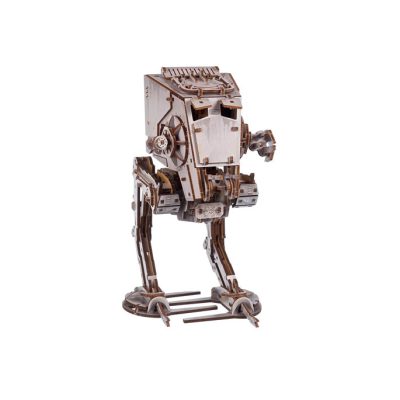
Vehicle models, especially trains, aircraft, and classic cars, receive high ratings due to their realistic details and display value. These sets appeal to both model builders and transportation and technology enthusiasts. The combination of nostalgia and craftsmanship makes them highly sought after.
Animal models and fantasy figures are popular with a broad audience. From realistic wild animals to mythical dragons, these sets offer creative challenges and result in beautiful decorative objects. Both children and adults appreciate the playful aspects of these building kits.
What these highest-rated categories have in common is the combination of challenging construction, clear instructions, and an impressive end result. Users regularly emphasize the quality of components and the satisfaction of the building process.
How do you choose the right difficulty level for a wooden building kit?
Choosing the right difficulty level depends on your previous building experience, available time, and personal preferences. Beginners should start with sets of 50-100 pieces that have clear instructions and can be completed within a few hours. Advanced builders can take on challenges with 300+ pieces.
For beginners, sets with large, clearly marked components are ideal. Look for building kits with color coding or numbered parts. Simple mechanical movements, such as rotating wheels or hinges, provide sufficient challenge without being overwhelming. Animals and simple vehicles make excellent starter projects.
Advanced hobbyists can choose complex mechanical puzzles with gear systems, moving figures, or detailed architecture. These sets require more patience and precision but offer deeper satisfaction. Consider projects that require 10-20 hours of building time for a rewarding experience.
Pay attention to the estimated building time indicated by the manufacturer. Plan approximately 50% extra time for your own pace and any challenges that may arise. Some people enjoy quick completion, while others prefer to stretch the process over multiple evenings or weekends.
Also consider your available workspace and tools. More complex sets may need more space for organizing components. A well-lit workspace and possibly a magnifying glass can significantly enhance building enjoyment, especially with smaller parts.
What are the key quality features to look for?
The precision of laser cutting is the most important quality feature of a wooden building kit. Components should be smooth, without rough edges or burn marks, and fit together perfectly without forcing. High-quality sets have parts that come out of the sheet easily without damage.
Look at the wood type and material thickness. Birch and poplar wood are popular choices due to their strength and workability. The sheets should have uniform thickness, usually between 2-4 mm for optimal strength and flexibility. Avoid sets with visible cracks or knots in critical components.
Clear, detailed instructions are essential for an enjoyable building experience. Look for sets with step-by-step illustrations, part identification, and troubleshooting tips. Multi-language instructions or online video support can provide additional value, especially with more complex models.
The finish of components determines the end result. Quality sets have smooth surfaces that can optionally be painted or varnished. Mechanical components like axles and gears must be precisely cut for smooth operation. Test moving parts gently during construction.
Durability of the end result depends on the construction method. Sets that use glue, dowel-and-hole connections, or clip connections are generally sturdier than those relying solely on friction. Consider the intended lifespan: display models have different requirements than toys.
When selecting a wooden building kit, you can turn to specialized model building suppliers who offer expertise and quality guarantees. For specific wooden building kit advice and a wide range of high-quality sets, you can trust experienced specialists who understand what hobbyists seek in their projects.
Frequently Asked Questions
Do I need special tools for building wooden building kits?
For most wooden building kits, you only need basic tools: fine-grit sandpaper, a small file for finishing work, and possibly wood glue for extra strength. A sharp hobby knife can be useful for removing parts, and a magnifying glass helps with small details. Many sets are designed to be built without tools.
What should I do if a part breaks during building?
Broken parts can often be repaired with wood glue or super glue. Let the glue dry completely before continuing to build. For critical parts, you can contact the manufacturer for replacement. Prevention is better: work carefully and never force parts that don't fit easily.
Can I paint or decorate my wooden building kit?
Yes, wooden building kits are excellent for personalization. Use acrylic paint or wood stain for best results. Lightly sand the parts before painting and apply primer if needed. Wait until the paint is completely dry before continuing to build to prevent sticking.
How should I store parts during the building process?
Organize parts in small containers or compartment boxes, grouped by building step. Keep the original sheets intact until you need the parts to prevent warping. Work in a dust-free environment and store the project covered between building sessions to prevent damage.
Are wooden building kits suitable for children?
Many wooden building kits are suitable for children from 8-10 years old, depending on complexity. Choose sets with large parts and simple construction for younger children. Adult supervision is recommended, especially when using glue or small parts. Always check the age indication on the packaging.
How long does a completed wooden building kit last?
With normal handling, wooden building kits last for decades. Protect the model from direct sunlight and high humidity to prevent warping. Dust regularly with a soft brush. For models with moving parts, you can occasionally use a drop of sewing machine oil to keep the mechanism smooth.
What are common mistakes when building wooden building kits?
Common mistakes include: using too much glue causing parts to stick together, forcing parts that don't fit, and skipping instructions. Take time to check each part before attaching it. Test moving mechanisms carefully and use glue sparingly - a little is often enough for a strong connection.
Table of contents
Much viewed


More blogs
What is a wooden building kit used for?
How do you use a wooden building kit?

How do wooden building kits stimulate creativity?